Get in Touch with Xiamen Huandao Packaging Technology Co., Ltd.

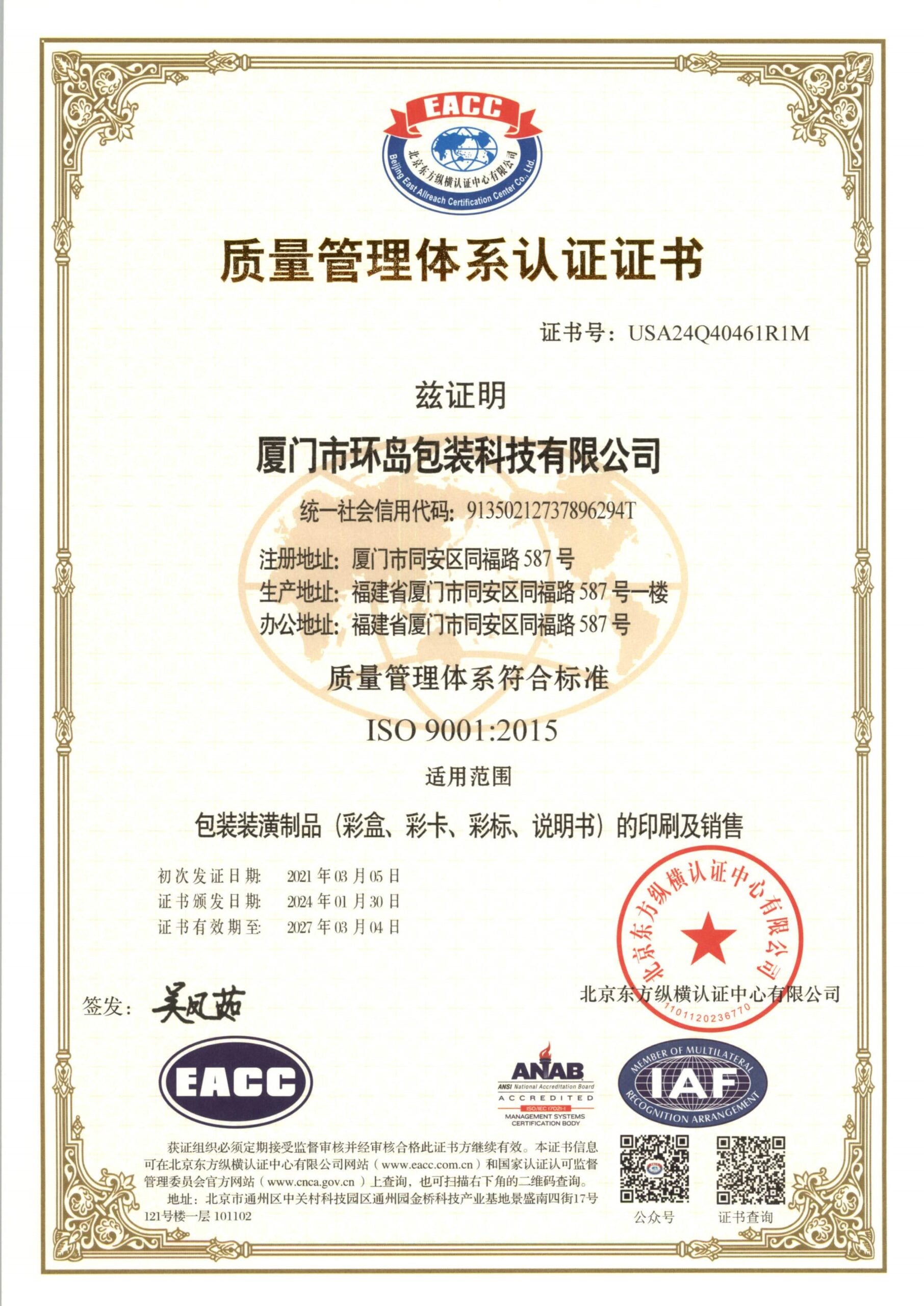
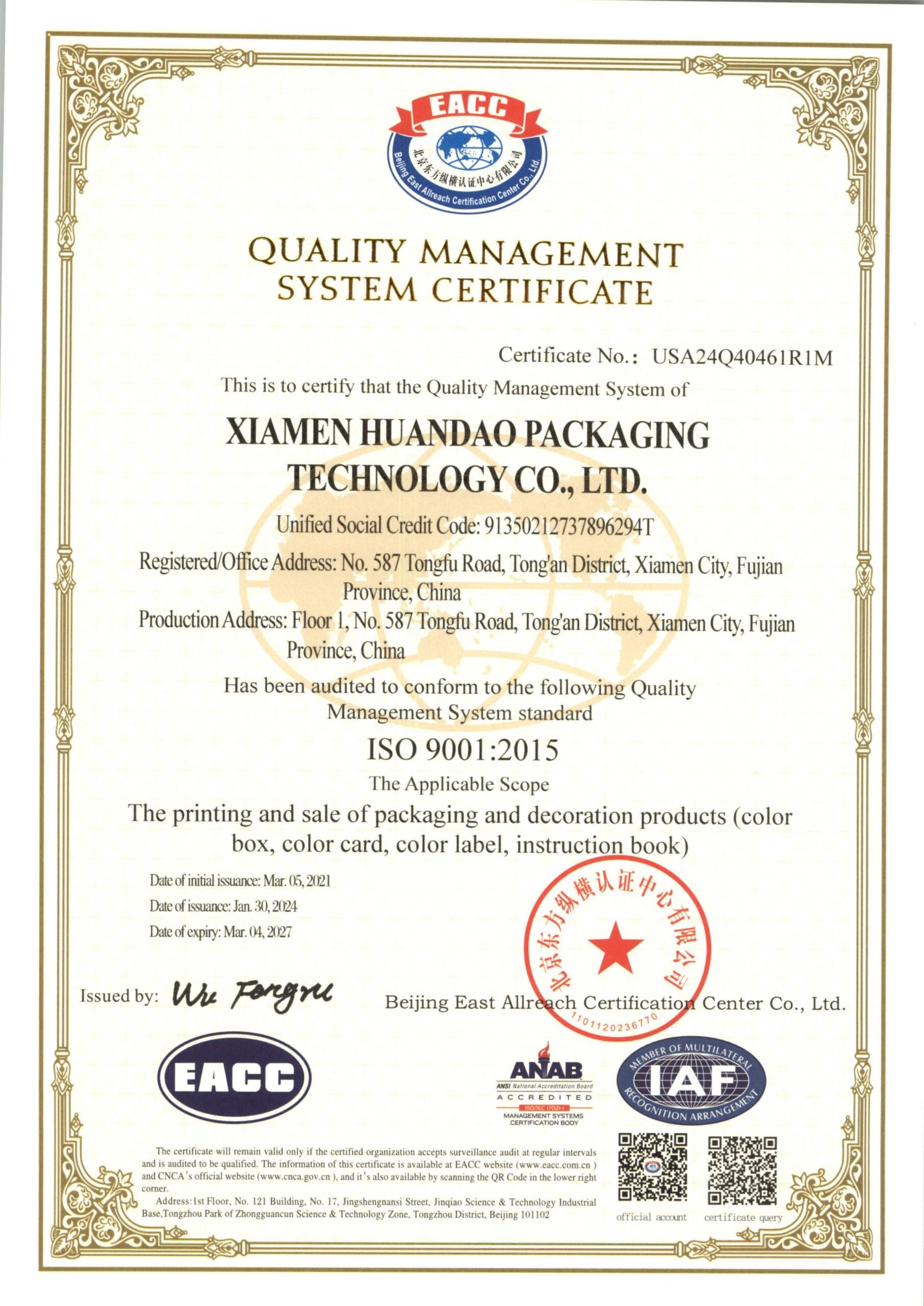
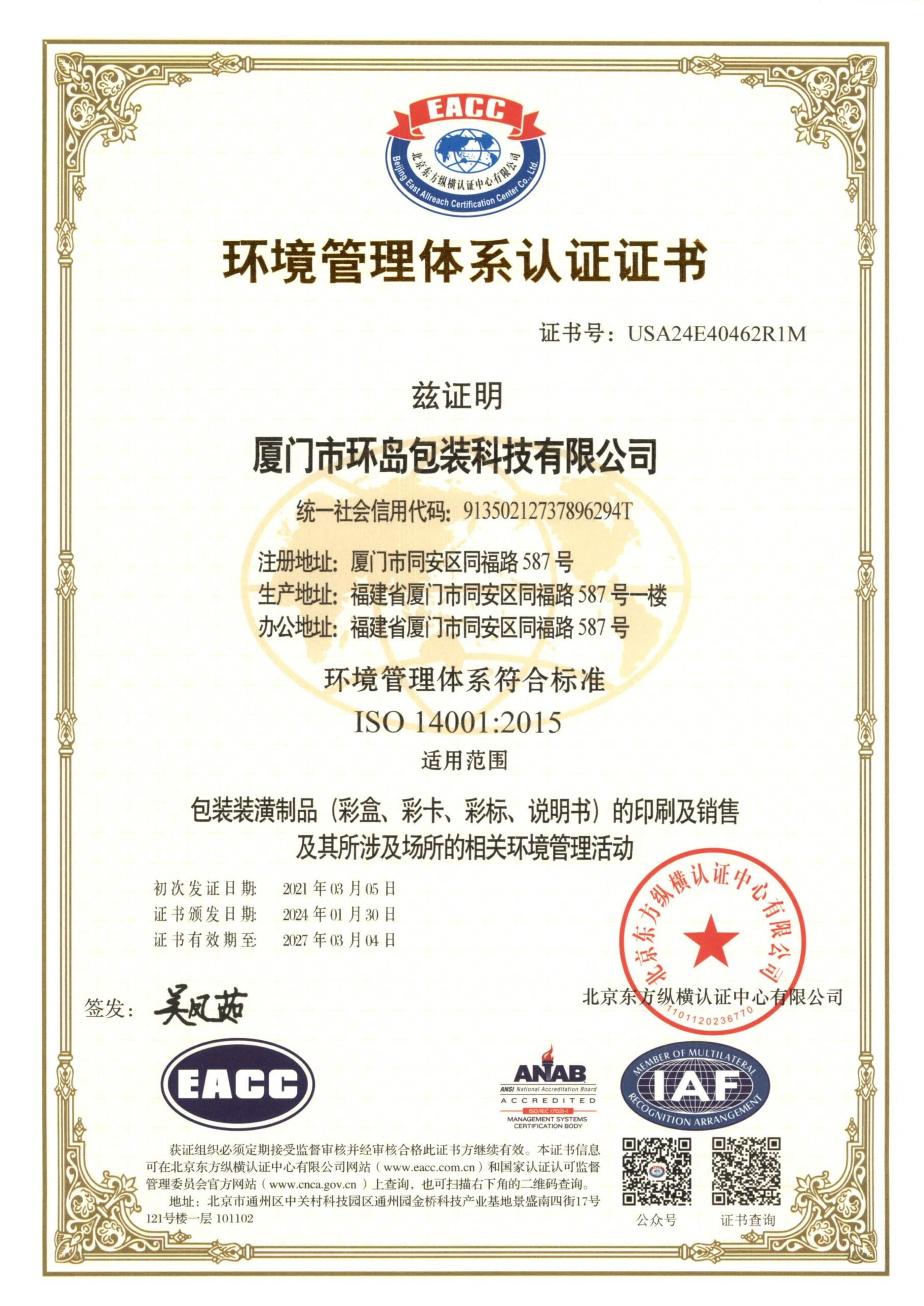
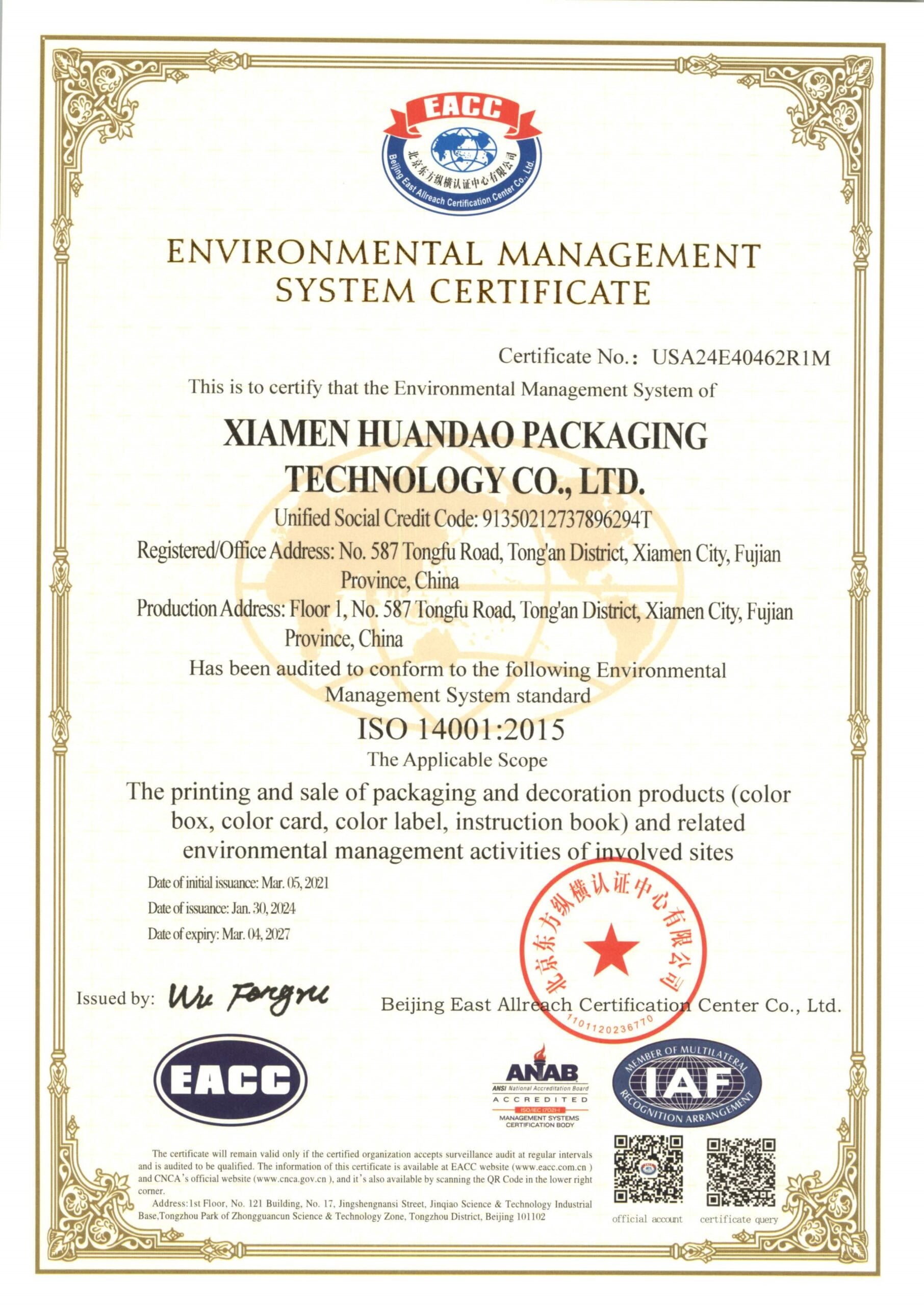
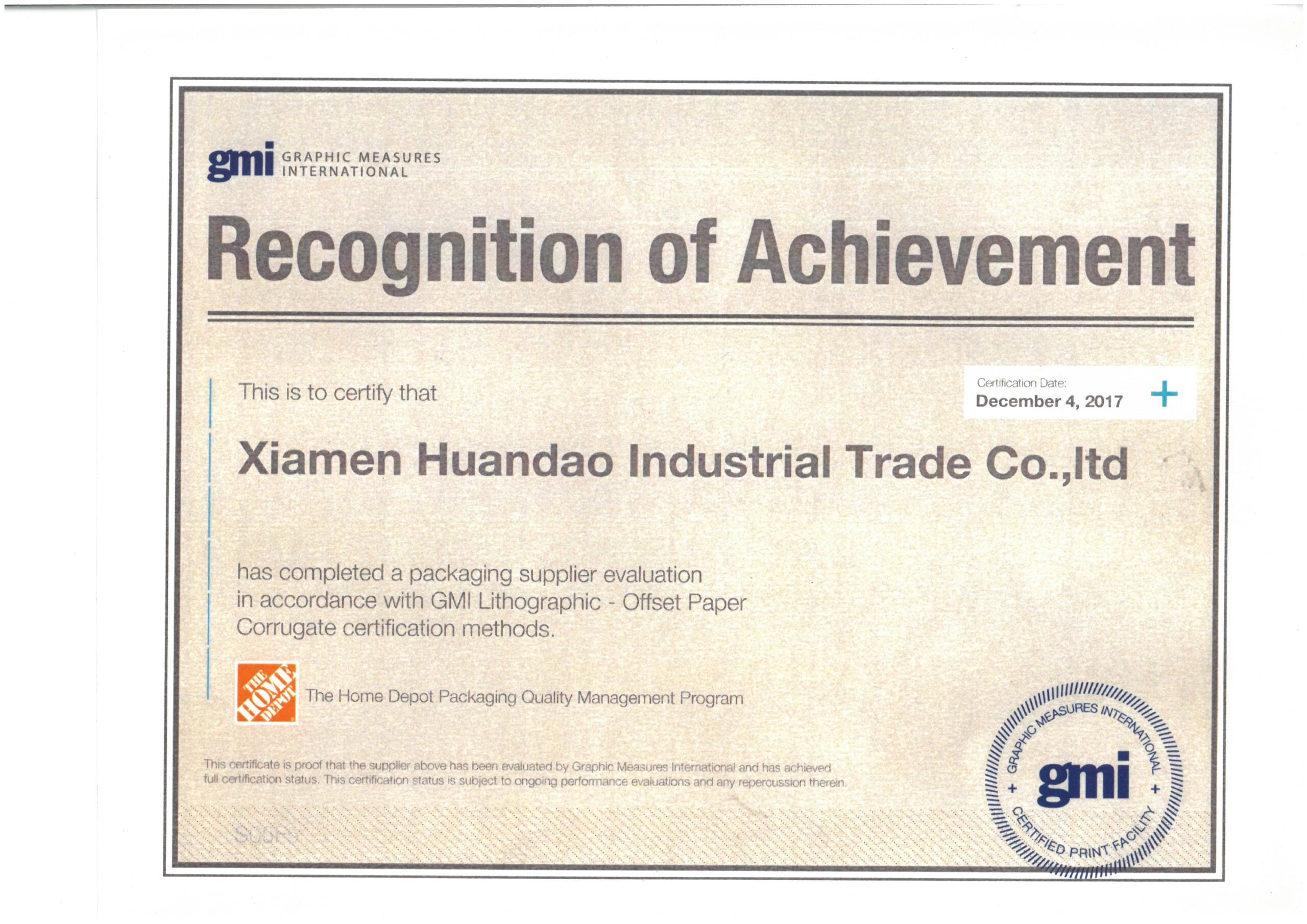
ISO Certified Production
Litho Laminated Boxes
Litho Laminated Boxes Built Around the Product, Print and Shipping Route
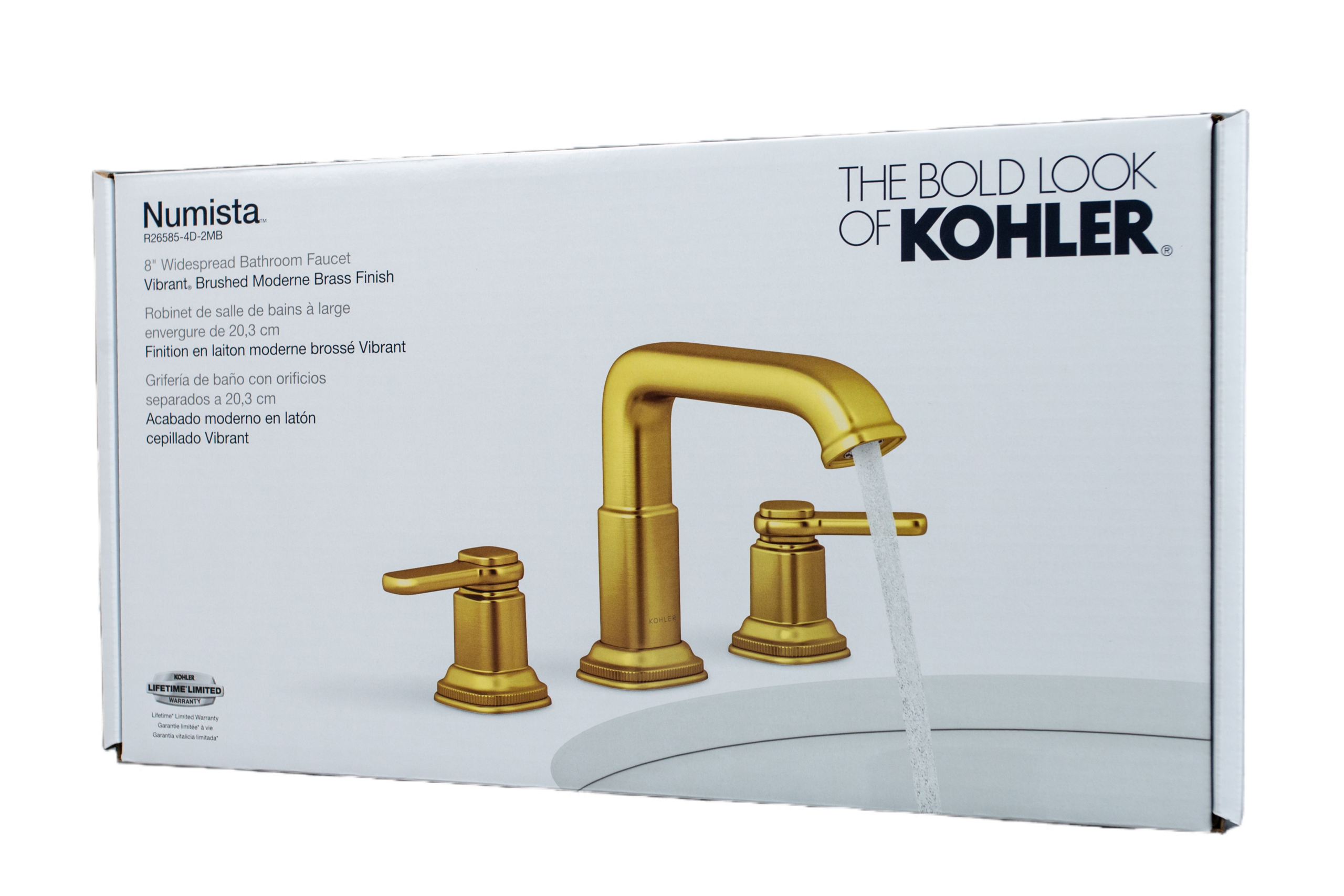
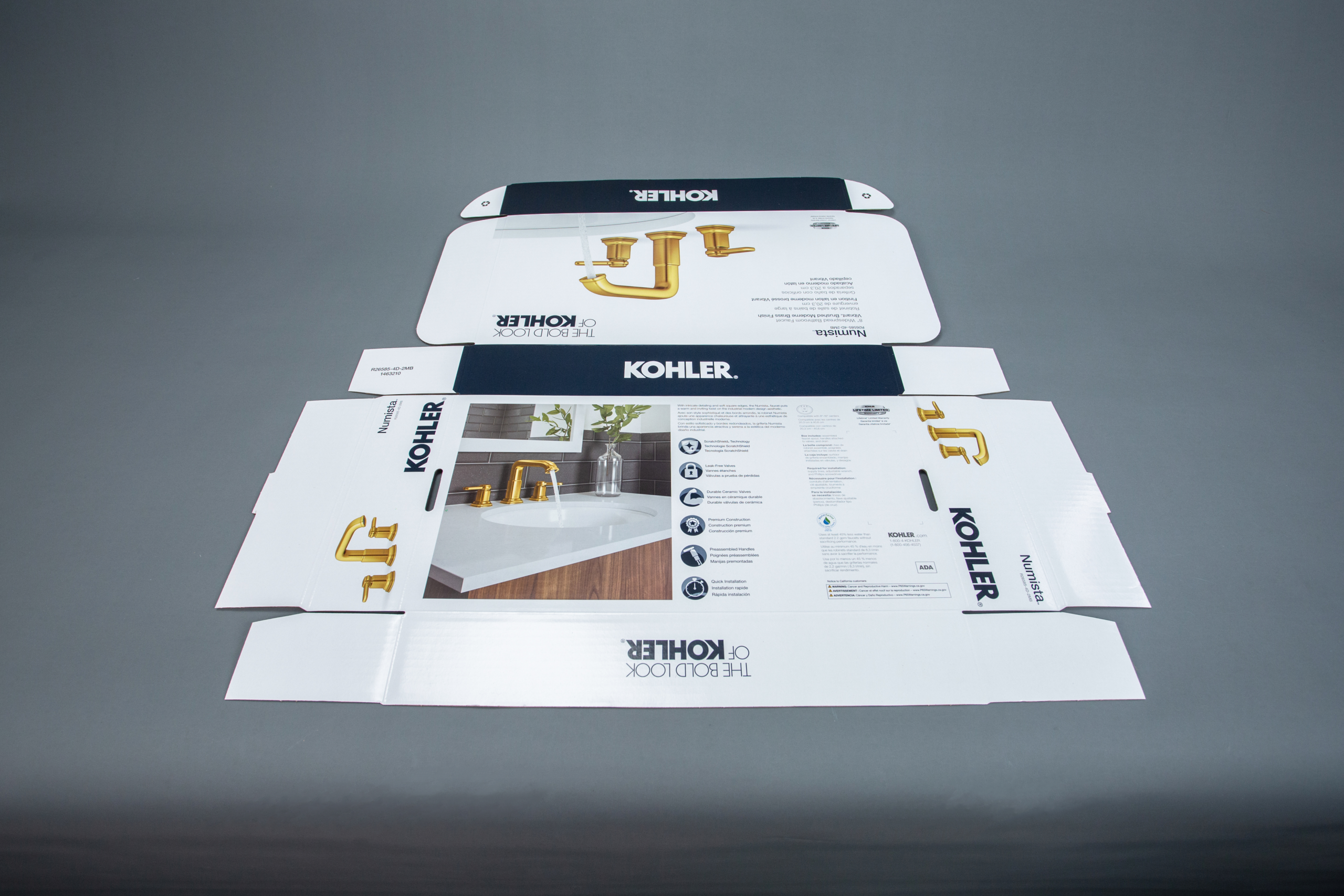
Huandao makes custom litho laminated boxes by offset printing a coated sheet, finishing it, and laminating it to the selected corrugated board. Pre-press, sheetfed offset printing, coating, lamination, die-cutting and folder-gluing run in our Xiamen facility, so print intent and structural decisions stay connected.
Summary: Production Facts at a Glance
A buyer should be able to eliminate a poor fit before sending files. These are the working boundaries for this custom packaging route.
- E / B / F / BE Common flute options. E and B single-wall board can be supplied just in time from the in-line corrugator; other profiles use sourced board.
- 1,000 Standard minimum quantity per box size and box style, with lower volumes considered during quotation.
Evidence boundary: an ECT, burst, ink-rub or basis-weight report describes the tested production run. It does not replace a distribution test chosen for the actual route, handling sequence and product.
128–157 gsm
Coated litho sheet for the printed face, selected with the artwork, finish and conversion route.
CMYK + 2
CMYK plus up to two Pantone spot colours on a six-colour sheetfed offset press with an in-line coater.
5–7 days
Planning allowance for a blank or digital-printed sample after usable specifications are confirmed.
One shipment
Printed box, inner trays, inserts and outer shipping carton can be coordinated and consolidated with shared freight.
Quality Assurance: Print-to-Conversion Capabilities
The value of litho laminated packaging is not ‘premium’ print. It is the ability to print extremely small text, screened graphics, and controlled colors, all on a smooth surface, and to bring that together with a corrugate that forms the structural component of a pack, to surround a product.
Pre-press and colour control
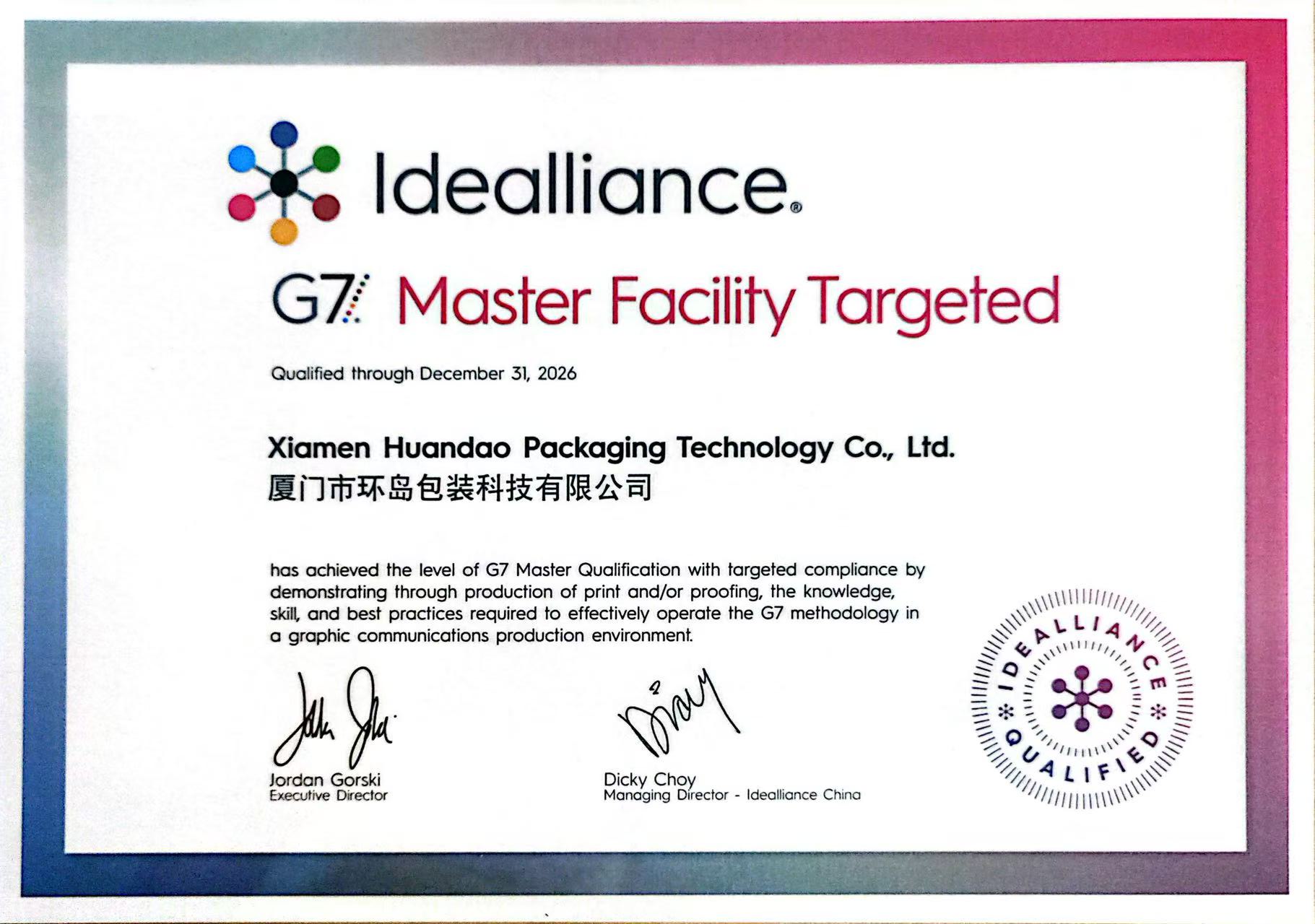
Artwork is checked for dieline fit, image resolution, trapping, overprint, varnish and foil separations. An X-Rite colour management workflow calibrated to G7 supports production against the signed contract proof and an agreed, job-specific Delta E tolerance.
Offset and coating
Sheetfed offset lithographic printing supports full-color process work and spot colour. The printing process uses a plate for each colour separation, followed by the specified coating or laminate.
Lamination and conversion
The printed sheet is laminate bonded to a corrugated liner or board, then die-cut and folder-glued. Reinforced corners, carry handles and product-specific locking features are reviewed with the packed weight and assembly method.
MES-linked production
Process steps are scanned into an MES kanban and reported in real time, with ERP and intelligent scheduling behind the production sequence.
Packaging formats in scope
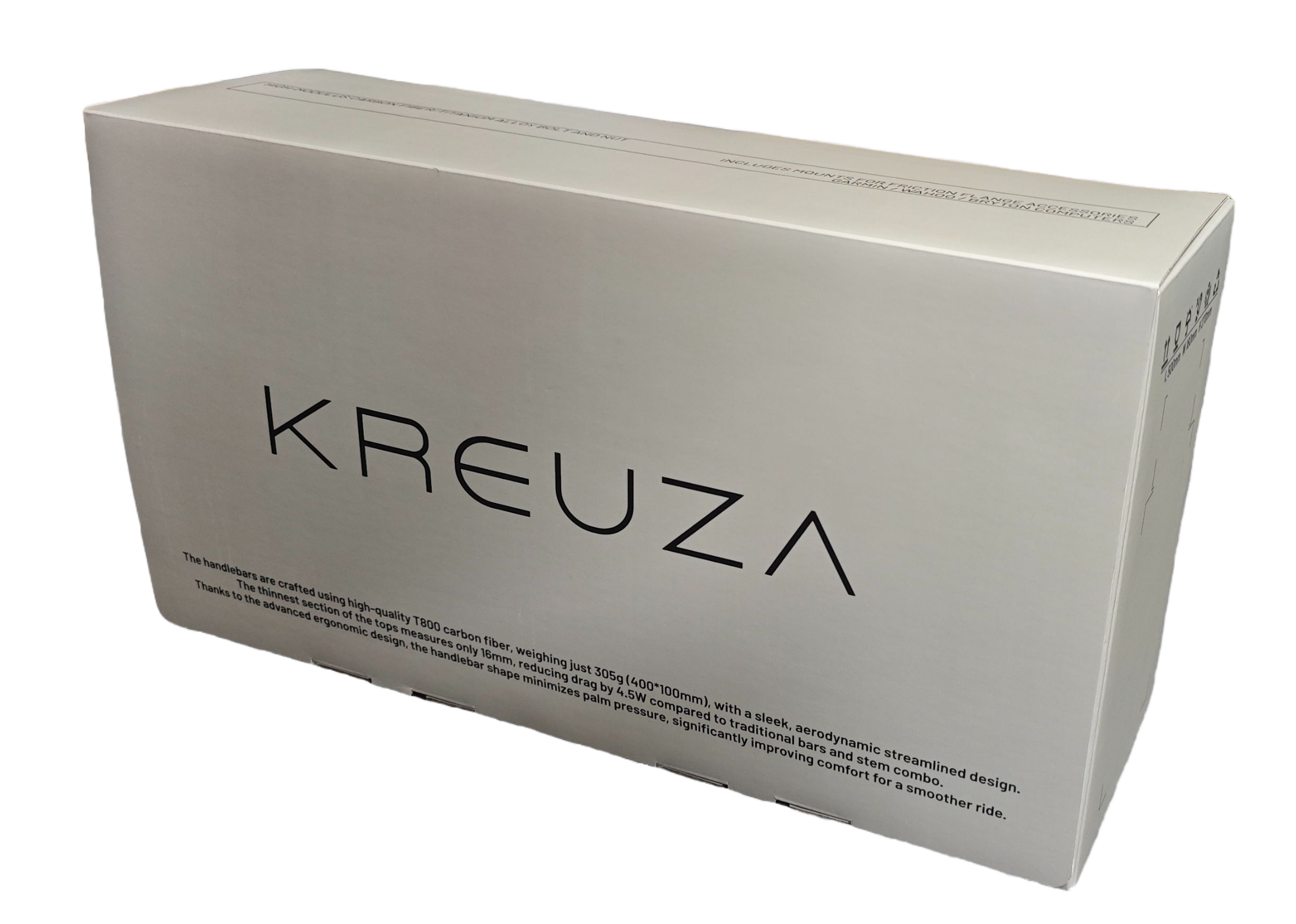
- Retail-ready shippers and shelf-facing display boxes
- Heavy-product corrugated box designs with reinforced corners
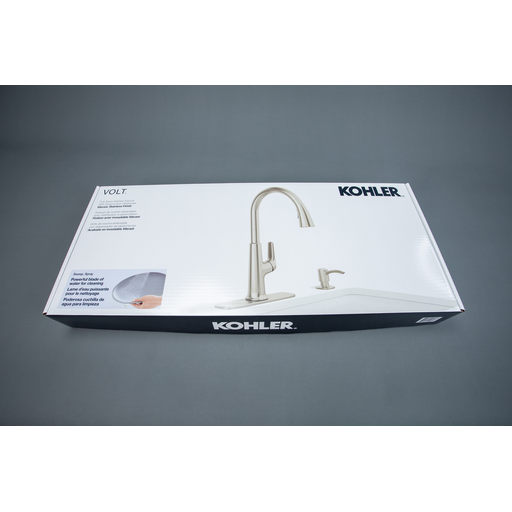
- Carry-handle appliance and fitting cartons
- Full-colour outer packaging with a kraft inner face
- Custom mailer and custom mailer box structures
- Subscription box and promotional packaging boxes
Language versus acceptance
Buyers searching for custom printed boxes, a custom box or corrugated packaging may describe the same sourcing task in different words. “High quality,” “consistent quality” and “high-end” are not acceptance criteria; the custom printed specification must instead name the board, print target, finish, sample and evidence required.
Materials, Flutes And Recyclability Boundaries
A good board specification starts with the failure mode: panel bulge, edge crush, puncture, moisture exposure, stacking or poor pallet use. A common assumption is that a higher test number is automatically safer, but more fibre is not always the best answer when the wrong grade misses the failure mode. A board test is not a substitute for route-specific distribution validation.
01 // E Flute
Use
Compact retail graphics, smaller products and sharper folds
Print Face
128–157 gsm coated sheet
Decision Factor
Panel stiffness versus compact profile
Supply
In-line single-wall corrugated board
Price
Quoted to size, board and quantity
02 // B Flute
Use
Appliances, fittings and heavier retail shippers
Print Face
128–157 gsm coated sheet
Decision Factor
Cushioning, panel strength and pallet load
Supply
In-line single-wall corrugated board
Price
Quoted to size, board and quantity
01
02
03
04
03 // F Flute
Use
Fine-profile retail carton where board source is confirmed per job
Print Face
Coated litho print sheet
Decision Factor
Compact profile, score behaviour and product protection
Supply
Sourced board
Price
Confirmed in the written quote
04 // BE Double Wall
Use
Heavier packs requiring a two-flute structure
Print Face
Coated offset-printed sheet
Decision Factor
Stacking, packed weight and distribution hazards
Supply
Sourced board
Price
Confirmed after structural review
Recyclability Is Configuration-Specific
Paper and corrugated cardboard can move through fibre-recovery systems, but a finished pack’s recyclability still depends on the adhesive, film, foil, window, coating, ink coverage and destination system. Technical recyclability is assessed by CEPI’s laboratory methods.
Destination rules can also treat double-sided lamination, wax, metallisation, foil and non-paper content differently. We therefore document the proposed material stack and do not label every litho laminated construction as universally recyclable.
Assessment Sources: CEPI recyclability test method · UK recycling assessment methodology
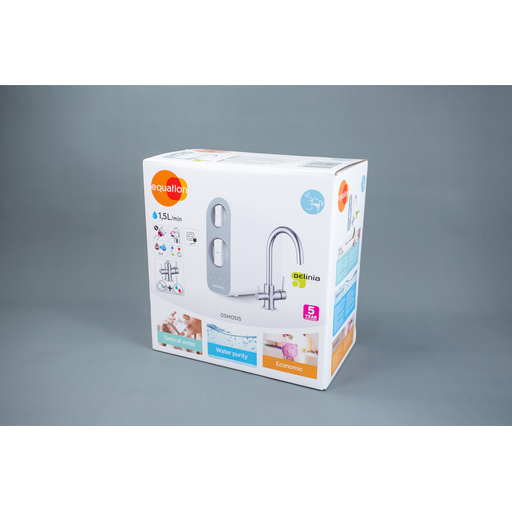
Finish Gallery: Print and Surface Finishes
Finishes have measurable purposes: rub resistance, glare control, tactile feel, scuff control, graphic highlights, and windows. A decorative finish impacts conversion and recovery, and thus should be evaluated with the artwork and structure.
| Finish | Specification basis | Result | Production route |
|---|---|---|---|
| Gloss lamination | Approved film and signed proof | High gloss and surface protection | In-house lamination |
| Matte or soft-touch lamination | Approved tactile sample | Low glare or soft-touch feel | In-house lamination |
| Matte anti-scratch varnish | Job-specific rub target | Reduced visible scuffing | In-house coating |
| Spot UV | Registered graphic separation | Gloss contrast on selected artwork | Confirmed in quotation |
| Hot foil stamping | Gold, silver or holographic foil sample | Metallic focal area | Confirmed in quotation |
| Embossing or debossing | Approved relief and score layout | Raised or recessed detail | Confirmed in quotation |
| Window patching | Window geometry and film callout | Product visibility | Confirmed in quotation |
Quality Assurance: Specification and Acceptance Range
These are process and cost limits, not performance limits. Dimensions and color tolerances are locked to the specified job.
| Specification | Working Range or Acceptance Basis |
|---|---|
| Litho sheet | 128–157 gsm coated sheet |
| Flute profiles | E, B, F or BE double wall; A, C, BC and other profiles reviewed from sourced board |
| Process colours | CMYK plus up to 2 Pantone spot colours |
| Press configuration | 6 colours plus in-line coater |
| Standard minimum order | 1,000 pieces per size and style |
| Blank or digital sample | Free; buyer pays courier |
| Sample planning allowance | 5–7 working days after specifications are usable |
| Small-batch planning allowance | 15–25 working days after approval; final schedule is written in the quote |
| Payment baseline | 30% deposit and 70% balance, subject to the written quotation |
| Run-specific inspection | ECT or burst, ink-rub and basis-weight reports as specified for the job |
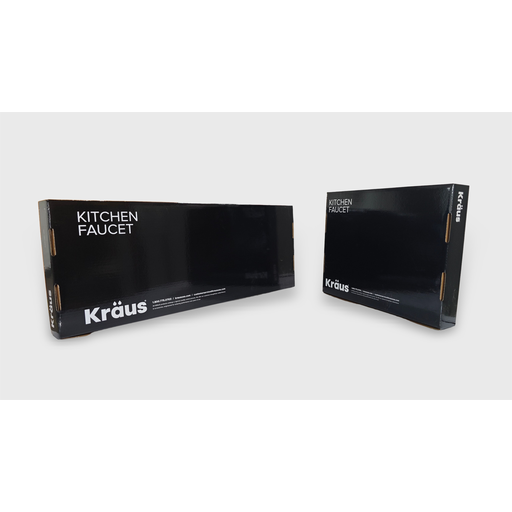
Run-Specific Quality Evidence
Approval and inspection standards should refer to the same job. The sample, contract proof, material callout and agreed test plan are the acceptance standards.
Order controls
01 Review dimensions, dieline, artwork, packed weight, route and finish before quotation.
02 Approve the structural and graphic sample route, including the signed colour proof and job-specific Delta E target where required.
03 Scan each production step into the MES kanban and keep the job tied to its manufacturing record.
04 Issue the specified ECT or burst, ink-rub and basis-weight evidence against the customer’s own production run.
Laboratory scope
• Edge crush or burst test selected for the job
• Ink-rub test against the agreed surface requirement
• Basis-weight check against material callout
Management-system scope
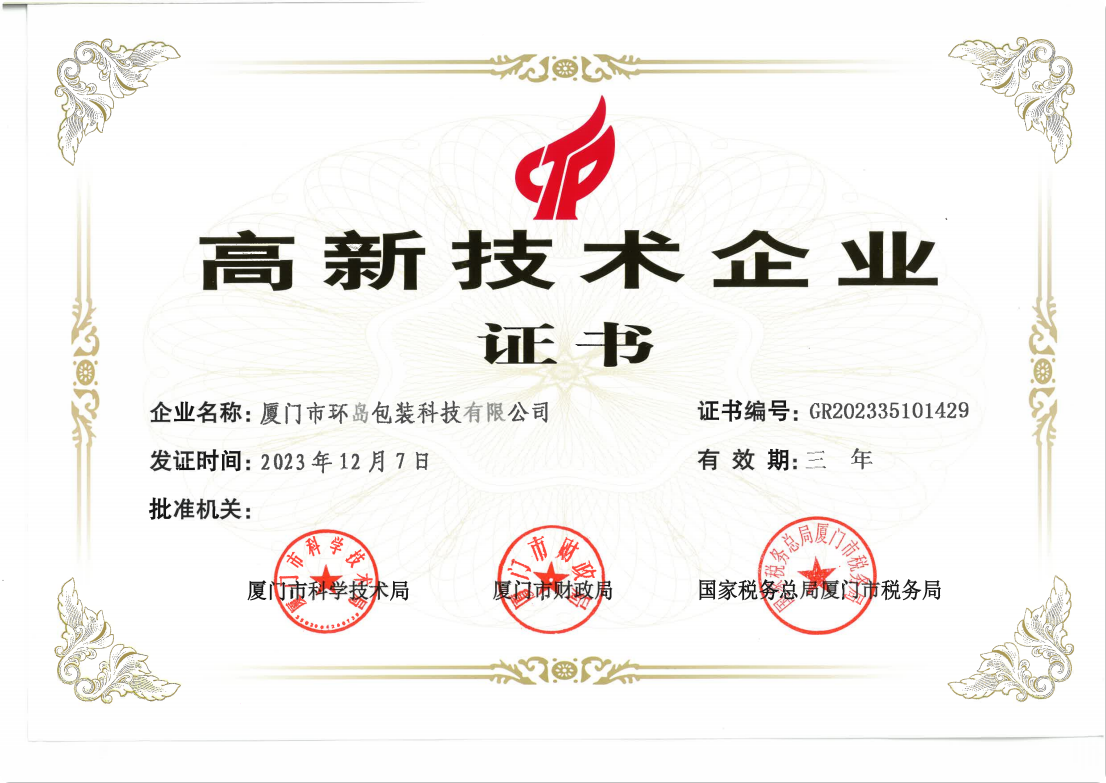
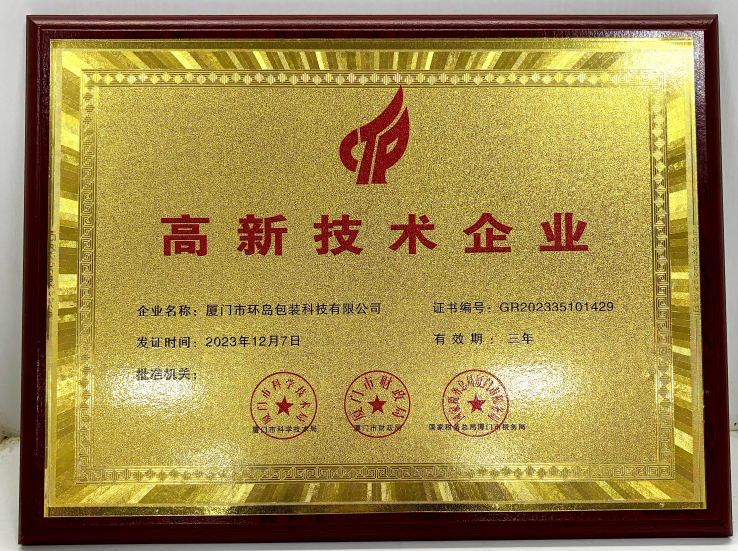
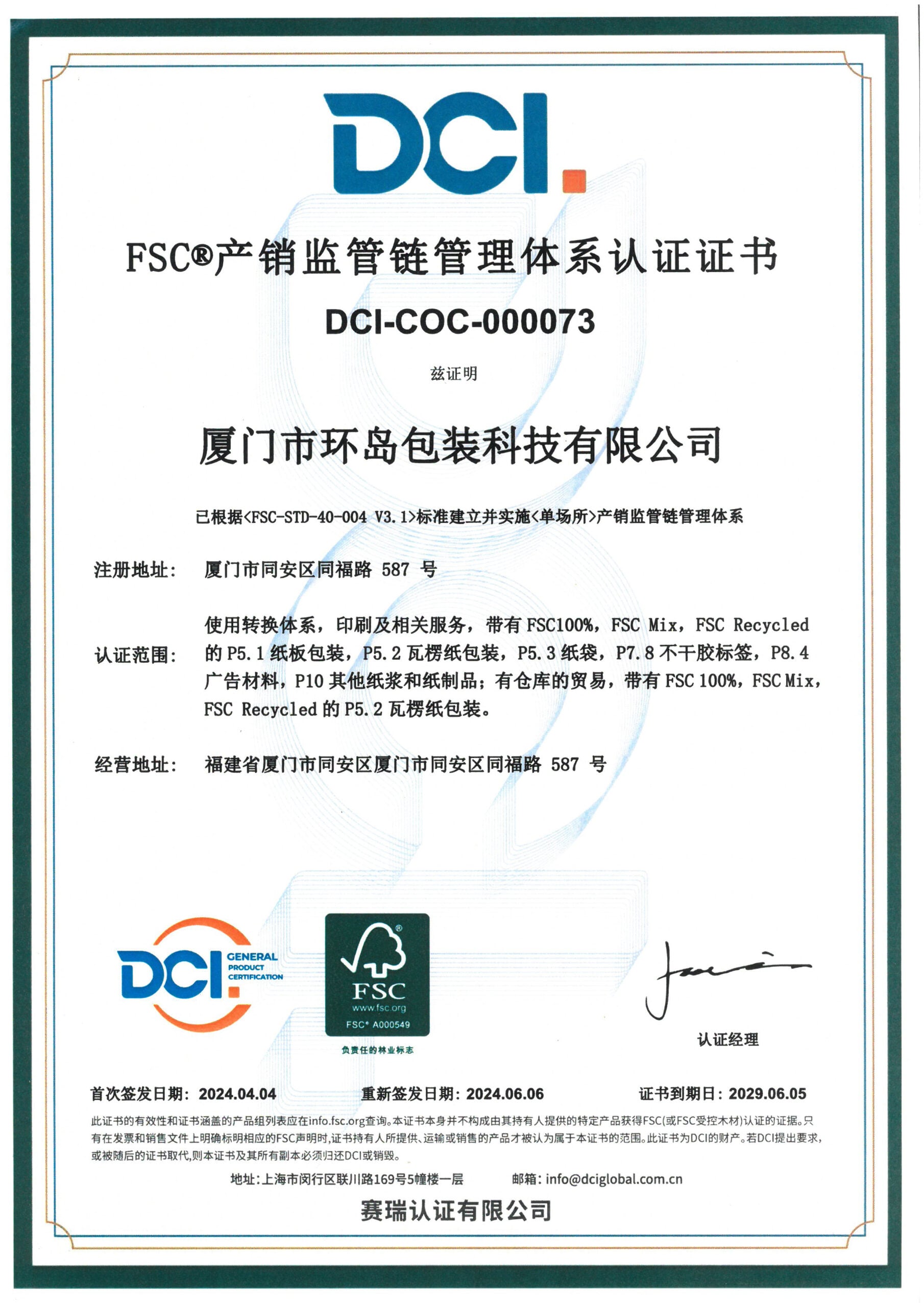
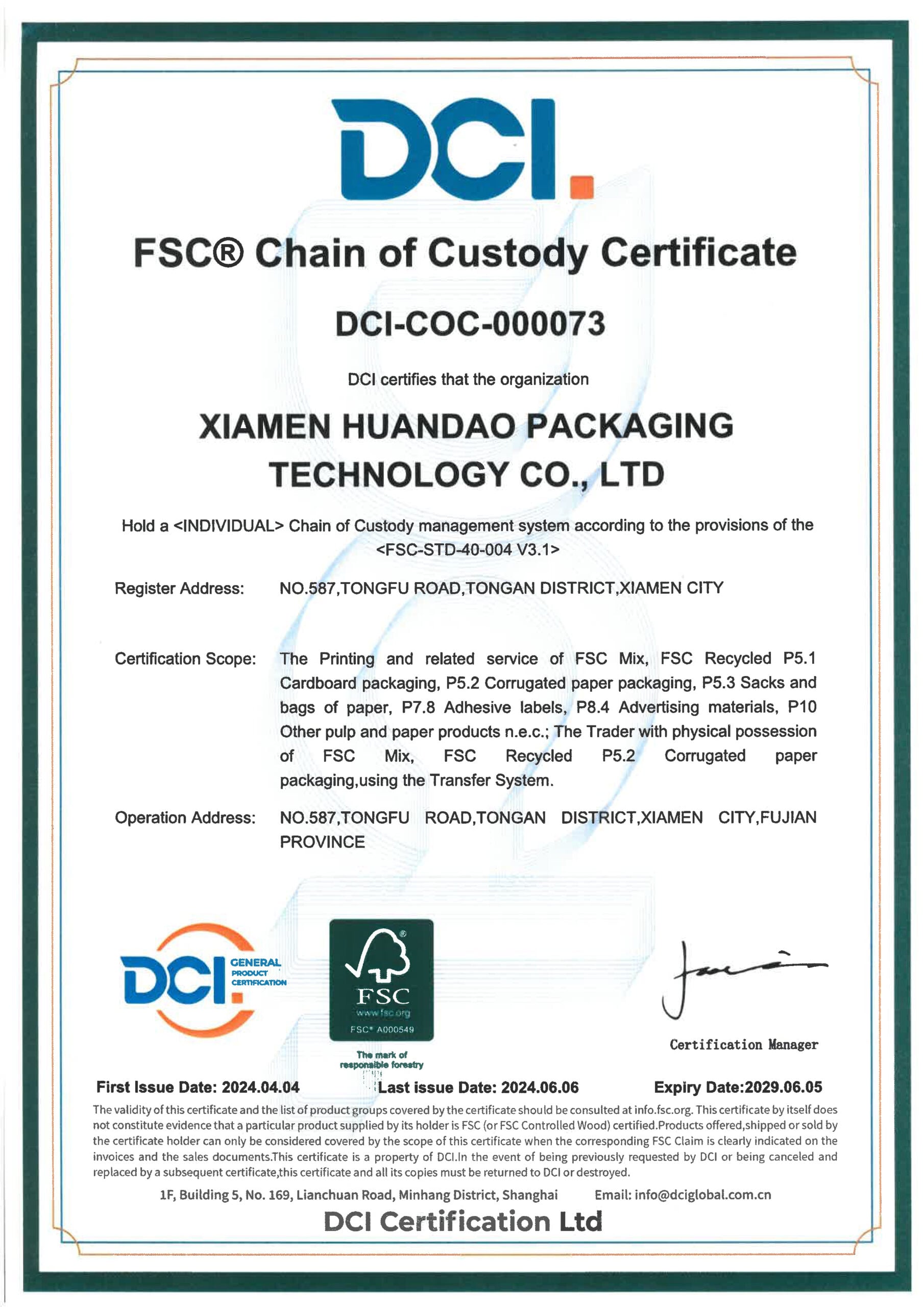
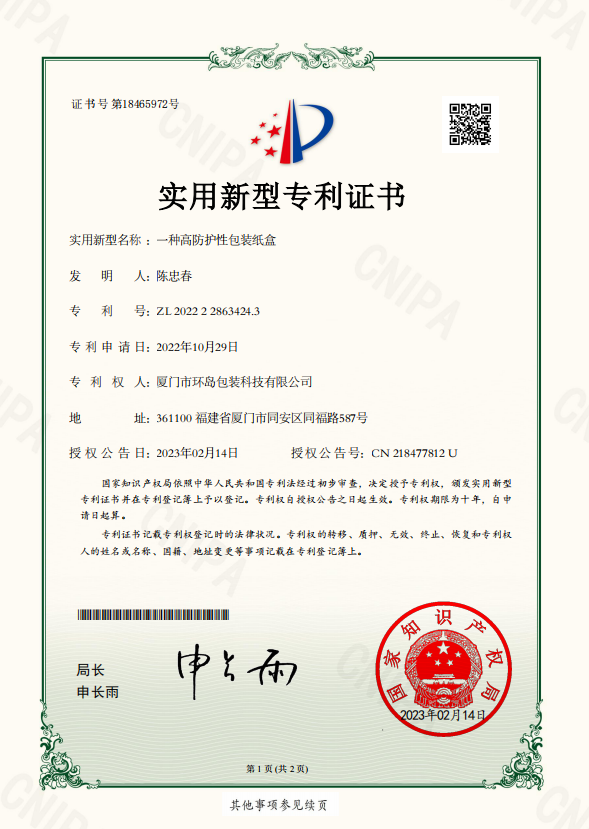
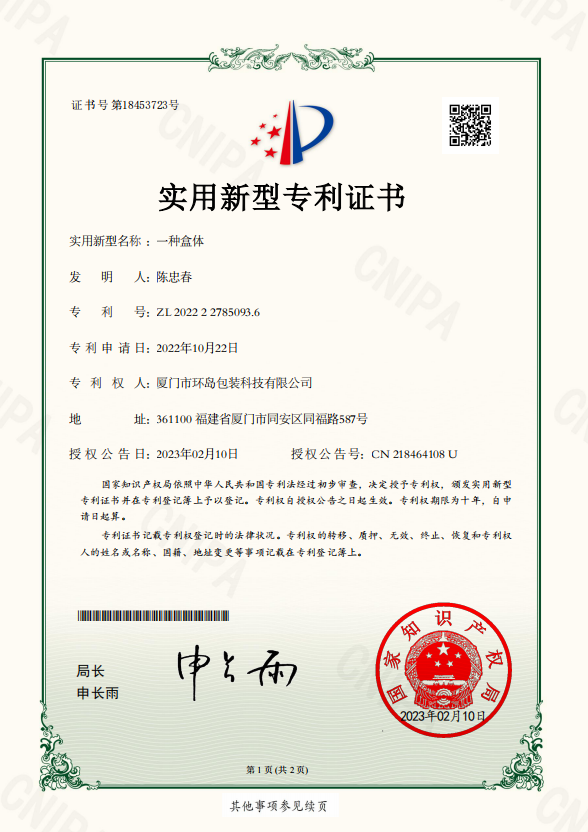
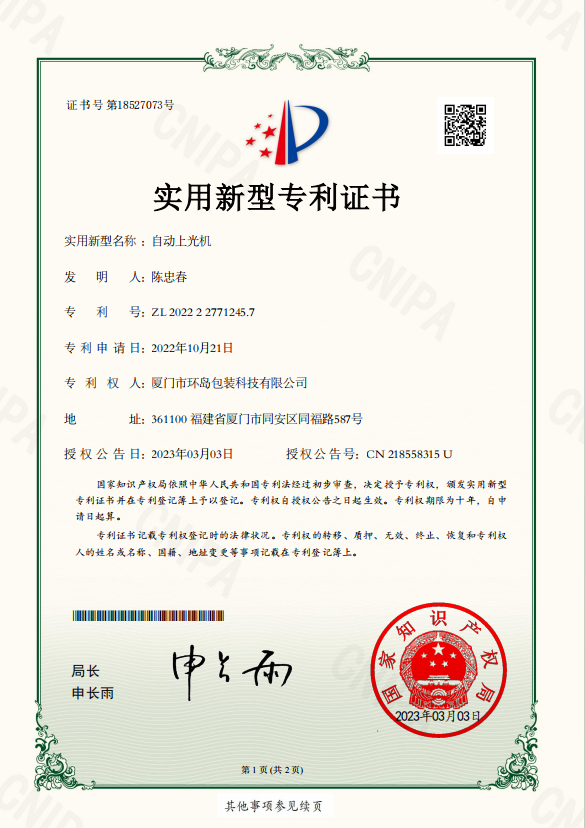
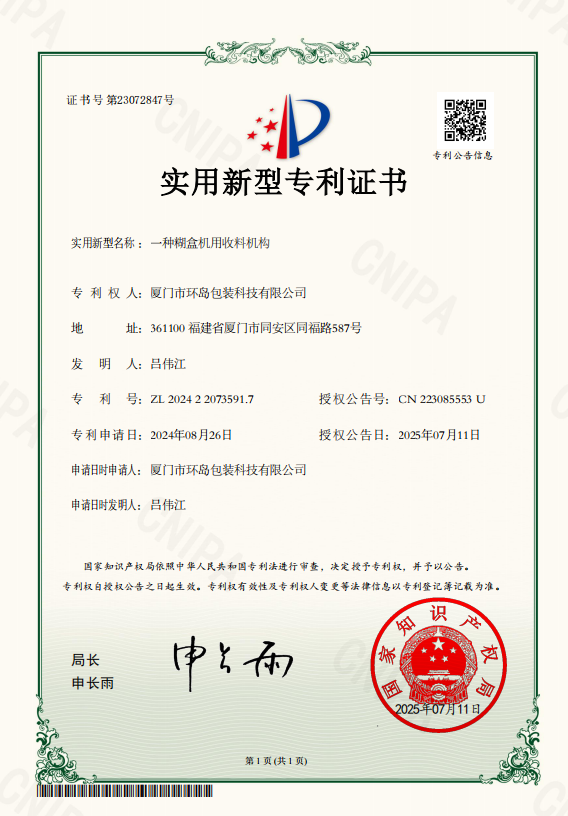
ISO 9001 and ISO 14001 certification status is supplied from client records and should be confirmed in the quotation package if the buyer requires current certificates. FSC Chain of Custody certified board is available on request, subject to material and document confirmation.
Distribution validation
Distribution validation is separate. ISTA distinguishes screening, partial simulation and general simulation procedures; the product and route determine which protocol belongs in the test plan. No lab board number proves that a packed product will pass a given route.
×
Summary: Cases Where Litho Lamination Is the Wrong Route
Litho lamination earns its place when offset detail and corrugated structure both matter to the outcome. The trade-off is extra setup when the artwork, volume or channel does not need that combination. The right call is not necessarily the most complex box: the wrong choice can add setup, freight or recovery constraints without solving the real failure mode.
| Situation | Why It Works Against You | Alternative |
|---|---|---|
| Very short experimental run | Offset plates, make-ready and tooling are spread over too few units | Use digital print for market testing, then move to litho after demand stabilises |
| Simple transit-only marks | Fine graphic reproduction adds little buyer value | Review direct print on corrugate or a label-based route |
| Luxury presentation without shipping duty | Corrugated bulk can be unnecessary | Compare a folding carton or rigid gift box construction |
| Direct food contact without component evidence | General material descriptions do not establish intended-use compliance | Define the regulatory route and approved component set before design release |
| Universal recyclability claim required | Film, foil, windows, adhesives and local systems change the outcome | Simplify the material stack and run the relevant protocol for the destination |
Litho Laminated Boxes Planning & Evaluation Tools
Print and Structure Decision Matrix
Screen the likely production route from the graphic requirement, packed weight and distribution route. A sample and written specification still control the final decision.
Cost per 1,000 Good Boxes Model
Compare the cost of accepted output, not the quoted unit alone. Enter annual values in one currency and the accepted box count after damage and rejection.
RFQ Readiness Scorecard
Check what is already known. Open items can stay open, but naming them prevents assumptions from silently entering the quote.
Litho Laminated Box FAQs
What is a litho laminated box?
It is a corrugated cardboard package with a separately offset-printed sheet bonded to the corrugated substrate before die-cutting and gluing. The route combines a smooth graphic face with structural board.
Why not print directly on the corrugate?
Direct print can be efficient for simpler graphics. Litho laminated construction is considered when fine type, screened images, tight graphic registration or controlled brand colour makes the smoother offset-printed sheet useful.
Is a litho laminated carton the same as a rigid box?
No. A litho laminated corrugated carton uses fluted board. Rigid boxes use a different board construction and wrapping route, while a folding carton has no corrugated medium.
Can it be used as a custom mailer?
Yes, when the opening, locking tabs, packed product and route support a mailer design. A custom mailer box still needs structural review; the name alone does not establish parcel performance.
What is the minimum order?
The standard minimum order is 1,000 pieces per size and style. Smaller quantities are reviewed case by case.
What files should be included with an RFQ?
Send product dimensions, packed weight, target quantity, destination, existing dieline, editable artwork or PDF, finish callouts and any acceptance criteria. The 12-field RFQ scorecard highlights gaps before submission.
How do I compare quotes that use different board tests?
First align the box size, flute, board construction, packed weight, route and test method. ISO 3037:2022 covers edgewise crush resistance of corrugated board; it is not a complete packed-product distribution protocol.
Are samples free?
A blank structural sample and a digital-printed sample are free, with courier paid by the buyer. A press-run finished sample carries a fee because it uses production materials and press setup.
Can printed boxes, inserts and outer cartons ship together?
Yes. Huandao can consolidate the printed box, inner trays, inserts and outer shipping cartons into one shipment when all items are included in the quote.
Can Huandao supply DDP?
DDP can be reviewed for the named destination. Import restrictions, tax handling and consignee requirements must be confirmed before the Incoterm appears in the written quote.