Get in Touch with Xiamen Huandao Packaging Technology Co., Ltd.

Printed and converted in Xiamen, China
Custom Folding Cartons for Food Packaging
Specify the carton around the food, inner pack, storage conditions and packing method and not around a generic board name. Huandao manufactures custom food folding cartons in its own Xiamen plant, with pre-press, sheetfed offset printing, UV coating, lamination, die-cutting and folder-gluing under one production system.
1,000-piece standard MOQ
6-colour offset press
Run-level test reports
Carton, insert and shipper coordination
Specification first
Brand and procurement teams use the brief to customize the packaging design before tooling. This custom food packaging route gives the brand a high-quality result tied to the approved structure, not just a visual mock-up.
Request a Food Carton Quote →
Attach the artwork source and/or print-ready output available for review, together with product, size, quantity, storage and pack-out details. Pre-press confirms the usable file route before quotation.
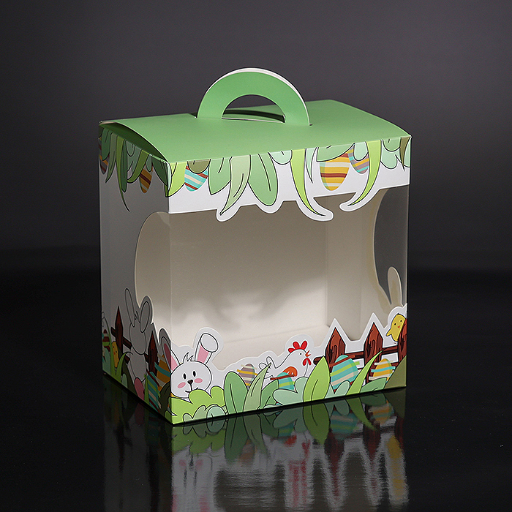
Two custom printed food folding cartons with dispenser openings
Printed dispenser-style cartons from Huandao’s supplied product-photo library.
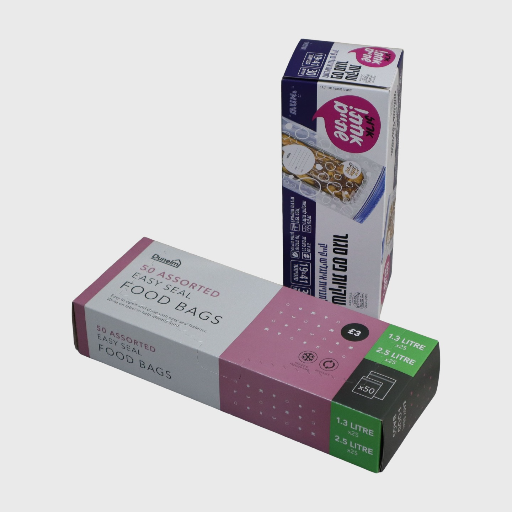
Food Carton Quotation Facts at a Glance
The items below define the commercial starting point. Final board, construction, tests and production timing are written into the quotation and approved job specification.
Clear scope before price.
The same artwork can require a different carton when the food type, contact path, temperature, duration, filling method or distribution route changes.
Custom Folding Carton Types for Retail, Bakery and Food Service
Huandao uses paperboard packaging for dry, wrapped, chilled and takeaway applications; separately, suitability remains tied to the specified intended use†. The right folding carton combines product load and pack-out with the unboxing experience, shelf presence in the retail environment and converting efficiency. Custom food boxes with logo artwork are released against the same structural and colour controls as all other SKUs.
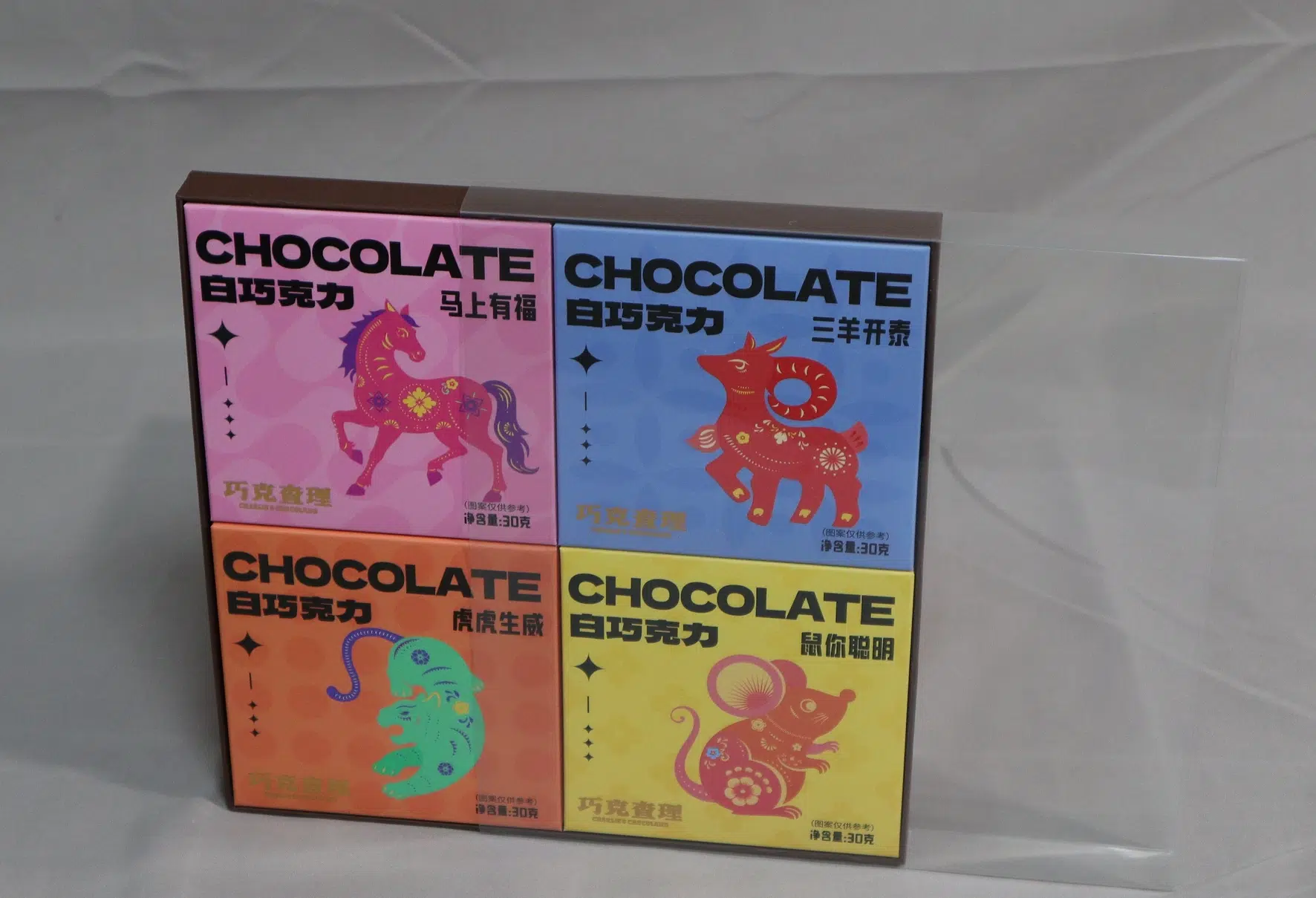
Paperboard Packaging, Barrier and Food-Contact Construction
Different types of food require different exposure and barrier decisions; available starting materials include food-use coated boxboard, kraft paper and grease-resistant coating routes where the project evidence supports them. The common assumption that a board name settles suitability creates migration and compliance risk because the finished carton contains several components. Unlike a single-board claim, Huandao’s review binds each component to its intended use.
Board-supply boundary.
Single E-flute and single B-flute are supplied from Huandao’s in-line corrugator; A, C, F, BC and other corrugate profiles use sourced board.
Material selection starts with use
- Food chemistry, including dry, aqueous, acidic, fatty or oily products
- Direct contact, indirect contact or a sealed inner container
- Ambient, chilled, frozen, warm-fill or other thermal conditions
- Contact time, shelf life, stacking and distribution humidity
- Hand packing or automatic cartoning requirements
Complete construction ledger
- Board grade and named supplier specification
- Barrier or functional coating chemistry
- Ink and UV coating system
- Film lamination and window film
- Adhesive used at seams and window patches
- Intended-use conditions and destination market
| Construction element | What must be confirmed | Why it matters |
|---|---|---|
| Paperboard or kraft paper | Supplier, grade, basis weight, recycled-content route and intended contact | The board is one component, not a certificate for the finished packaging. |
| Barrier or coating | Chemistry, application side, coat weight, curing and stated use conditions | Grease and moisture performance must survive creasing, die-cutting and folding. |
| Printing ink and UV coating | System, printed side, set-off controls and documentation for the specified use | Indirect transfer and migration depend on the actual construction and process. |
| Lamination | Film type, adhesive, coverage, heat and recycling implications | A laminate changes barrier, converting and end-of-life assumptions. |
| Window film | Film, adhesive, opening geometry and food/contact path | A window adds two more components and local stress around the aperture. |
| Finished carton | Product trial, storage, pack line, distribution and agreed release criteria | Component paperwork does not replace validation of the converted pack. |

No label substitutes for the evidence chain.
A board label is not a substitute for the component and use-condition review. U.S. regulatory status depends on each substance reasonably expected to migrate and the applicable authorization or exemption for the specified use. The European framework also requires the finished article to be safe and traceable, while paper, ink, adhesive and coating requirements can differ by destination country.1, 3, 4
Environmental wording follows the whole construction
Paper fibre alone does not prove that a laminated or windowed pack is recyclable in the buyer’s local system. The trade-off depends on other components of the pack, including film, adhesive, coating or foil. A sustainability review checks the complete combination and collection route against your sustainable packaging goals; it does not automatically make a pack environmentally preferable or eco-friendly.
Offset Printing, Brand Colour Control and Specialty Finishes
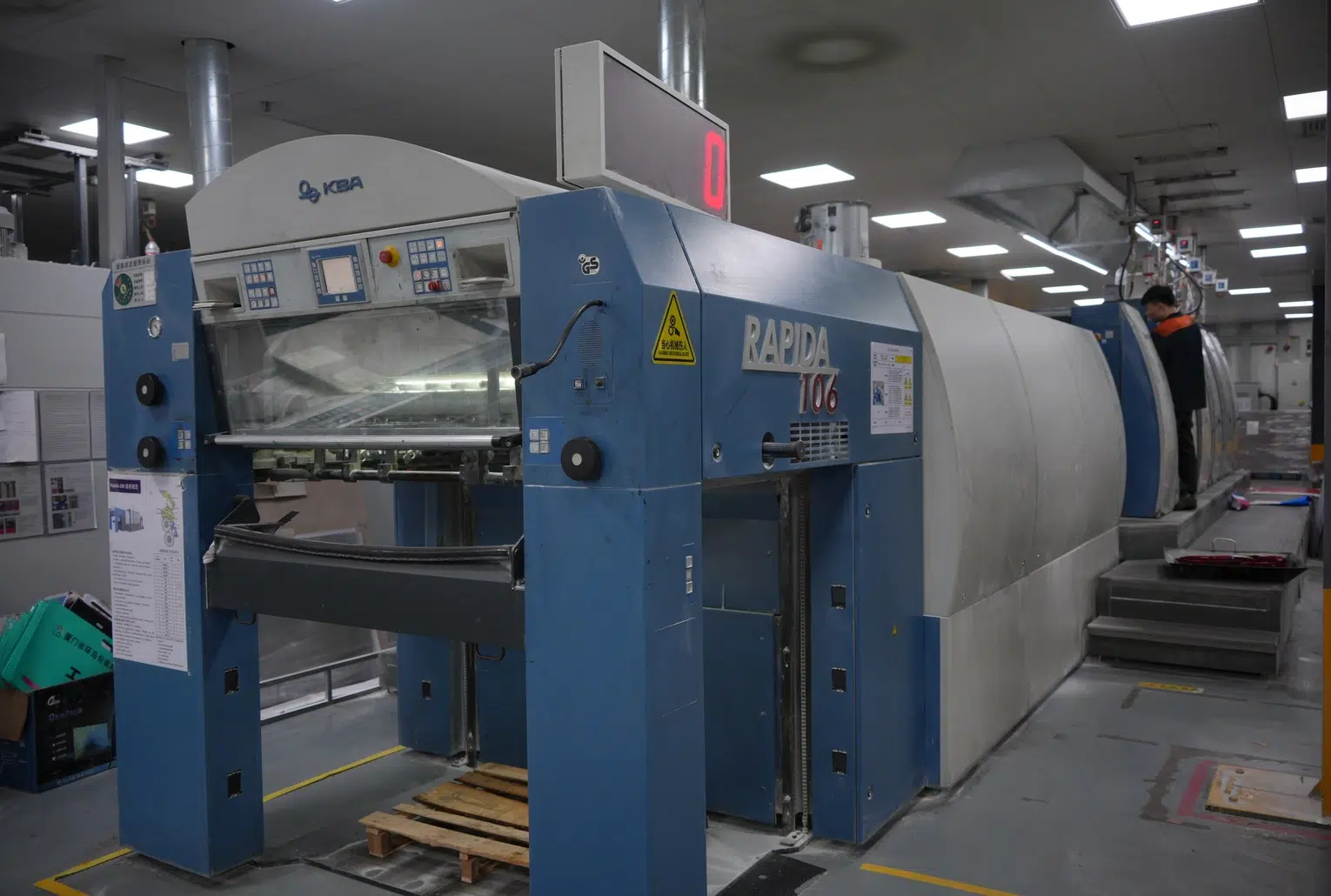
Boxes are printed using a 6-colour sheetfed offset printing press with an inline coater. CMYK provides the process-colour base for standard artwork. Up to 2 Pantone colours can be added, with colour release tied to a signed proof and an agreed measurement method.
Request a Print and Finish Sample
CMYK process printing
Best used for
Photography, gradients and multi-SKU custom packaging
Approval evidence
Contract proof, press target and production sheet
Up to 2 Pantone colours
Best used for
Brand colours that need a named spot-colour target
Approval evidence
Signed target and agreed ΔE method
Gloss, matte or soft-touch lamination
Best used for
Surface feel, scuff control and presentation
Approval evidence
Physical sample plus complete laminate specification
Anti-scratch varnish
Best used for
Dark solids and handling-sensitive graphics
Approval evidence
Sample and agreed rub expectation
Spot UV
Best used for
Selective gloss contrast on a custom-printed surface
Approval evidence
Marked artwork layer and finished sample
Foil stamping
Best used for
Metallic brand detail and premium accents
Approval evidence
Foil colour, die area and finished sample
Emboss or deboss
Best used for
Raised or recessed logo and tactile cues
Approval evidence
Tooling drawing, depth review and sample
Window patching
Best used for
Product visibility for bakery, confectionery and retail packaging
Approval evidence
Film/adhesive specification and loaded-pack check
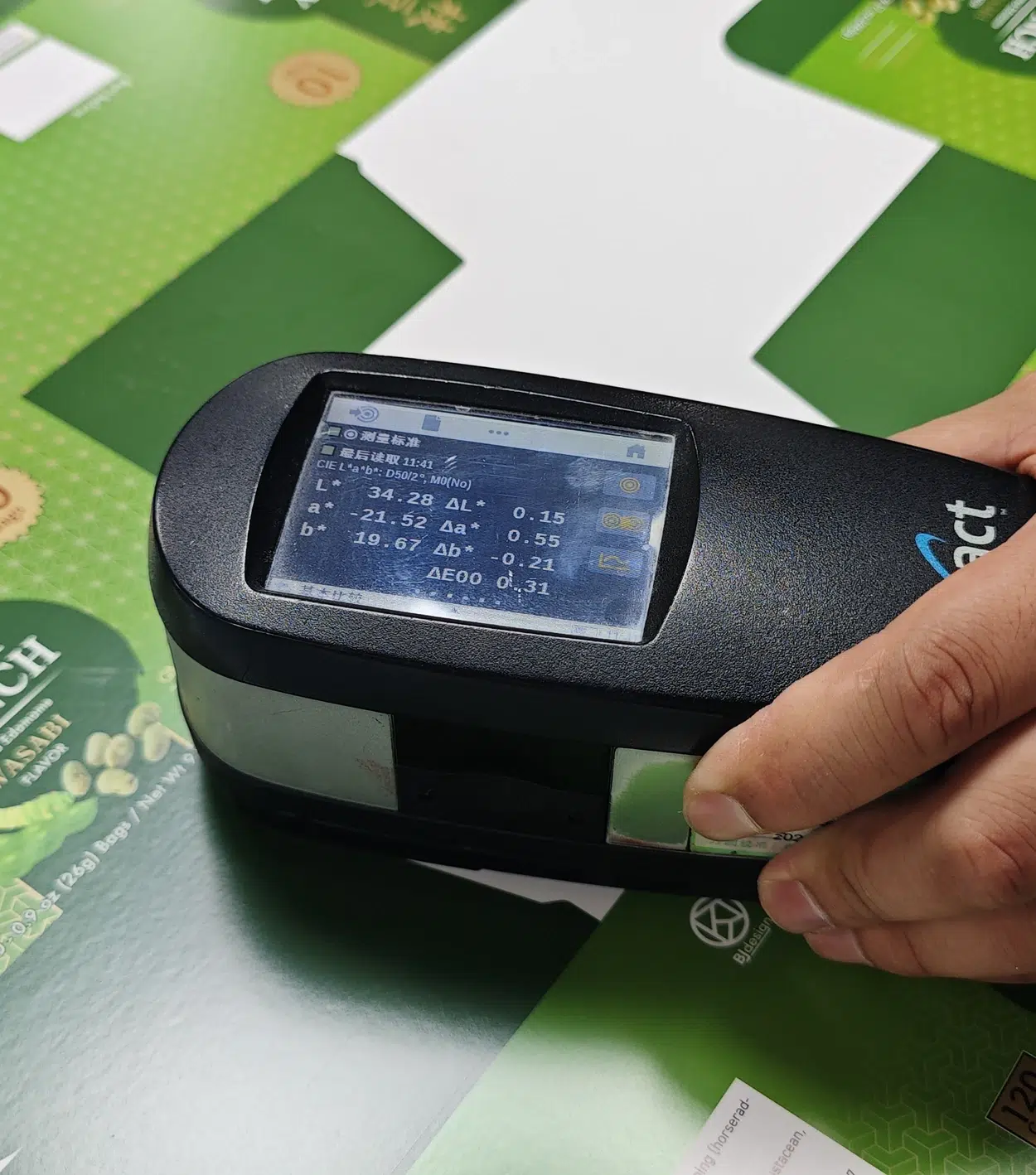
X-Rite measurement on a production sheet supports job-specific colour control.
Colour is released against a written target
Huandao uses X-Rite measurement and G7 process control as production tools. Colour and dimensional tolerances follow a signed contract proof, an agreed ΔE tolerance and the approved dieline unless otherwise stated in the approved job specification.
- – Substrate and finish are included in the approval route; separately, FDA guidance explains that food-contact regulatory status depends on each individual substance reasonably expected to migrate†.
- – The measurement formula and viewing condition are agreed for the job.
- – A repeat order is checked against the retained production target.
Item
Baseline
Release point
Minimum order
Standard MOQ is 1,000 pieces per size and style. Smaller runs are quoted case by case.
Quotation by SKU
Quote response
Quotes are returned on business days after the complete brief is reviewed; the response timing is confirmed in writing.
Complete brief received
Physical sample timing
Physical samples are scheduled after artwork and sample-route confirmation; timing is confirmed per job.
Artwork and sample route confirmed
Small-batch timing
Small-batch carton orders are scheduled after final sample approval; exact production timing is confirmed per job.
Final sample and commercial terms approved
Production timing
Production runs are confirmed per job at quotation; repeat orders skip tooling and sampling, which shortens the schedule.
Written quotation
Printing platform
6-colour sheetfed offset with inline coating
Signed contract proof
Colour capacity
CMYK plus up to 2 Pantone colours
Signed contract proof and agreed ΔE method
Standard board MOQ unit
1 size × 1 style is one MOQ unit
SKU schedule
Payment
The deposit, balance timing and payment method are stated in the proforma invoice before shipment.
Proforma invoice
Trade term
We ship under the Incoterm confirmed in the quotation; other freight scopes are reviewed on request.
Quotation and destination
Artwork
Submit editable artwork or print-ready output available for review; pre-press confirms the usable file format.
Pre-press review
Plant team
133 staff at the Xiamen facility
Factory profile
Manufacturing history
Printed paper packaging since 2003
Company record
Use condition
Confirm in the brief
Release evidence
Food and contact path
Food type, recipe characteristics, wrapped/unwrapped and direct/indirect contact
Component ledger and document route
Inner pack
Pouch, tray, cup, bottle or no separate inner container
Fit check and exposure boundary
Time and temperature
Fill temperature, service temperature, storage and contact duration
Named use conditions in supplied documents
Grease and moisture
Oil level, water activity, condensation and refrigeration/freezer cycle
Barrier route and relevant sample test
Load and geometry
Product weight, dimensions, headspace, stack and carry-handle load
Blank sample and loaded-pack trial
Packing method
Manual, semi-automatic or automatic; erection and flap direction
Approved dieline and line trial criteria
Print and finish
CMYK, spot colours, coating, lamination, foil, emboss and window
Signed proof and finished sample
Destination
Market, country, customer standard and required declarations
Document checklist by component and use
Distribution
Case pack, pallet, parcel exposure, humidity and transport duration
Secondary/tertiary pack plan and agreed tests
Change control
Supplier, component, food, temperature, duration, artwork or pack-out change
Written impact review before release
Folding Cartons for Food: Quotation, MOQ and Sample Schedule
A lower unit price for a carton is not necessarily a complete comparison when it moves cost into sampling, assembly, warehousing, damage or separate shipments. An incomplete SKU brief creates delay and expensive rework; a quoted schedule can slip when size, artwork or finish changes after approval.
Compare the same scope.
A cost-effective packaging solution starts with one bill of materials, one pack-out plan and one destination across the supply chain, so tooling, samples and freight do not hide the difference between folding carton manufacturers.
What changes the quotation
Finished size and dieline yield
Quantity per size, style and artwork version
Board grade, flute, coating and window construction
Print colours, finish area and tooling
Flat or pre-glued packing method
Inner tray, insert, outer shipper and delivery destination
Sample routes
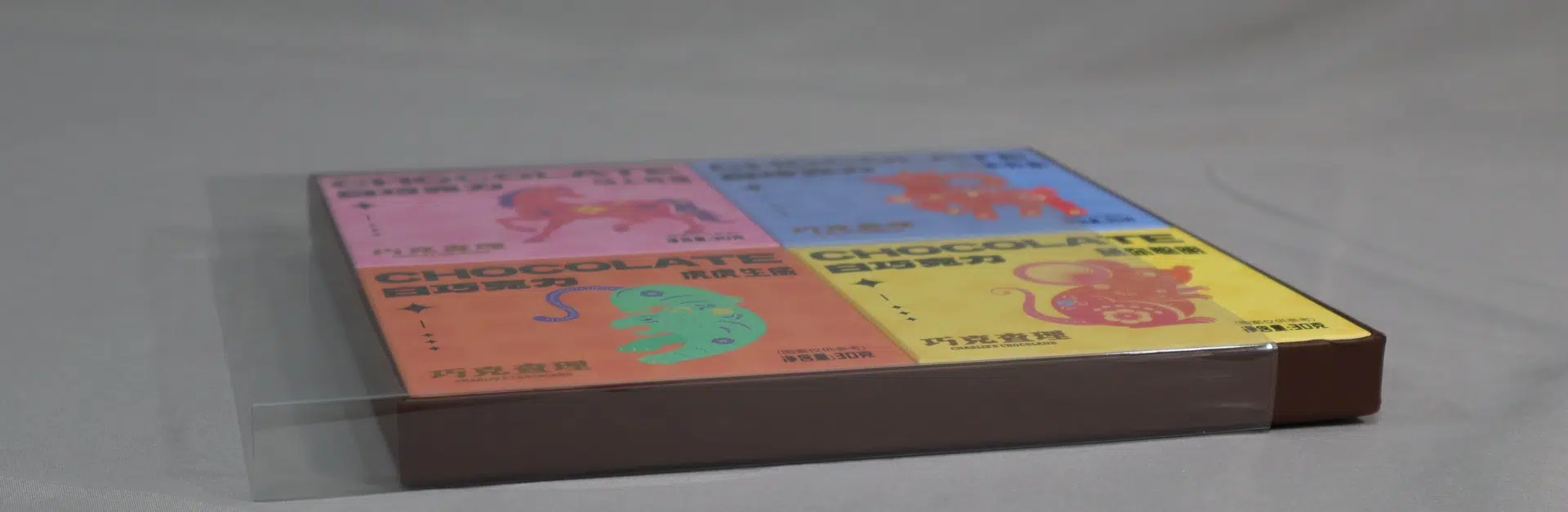
A blank structural sample and a digital-printed sample are free, with courier paid by the buyer; press-run finished samples carry a sample fee. Approval is completed by email and photographs.
Blank sample: fit, opening and pack-out
Digital sample: artwork position and appearance
Press-run sample: production substrate, print and finish
| Project situation | Recommended next step | Schedule effect |
|---|---|---|
| One size and one design at or above 1,000 pieces | Standard quotation and sample path | Uses the published MOQ baseline |
| Several sizes or artwork versions | List quantities by size and style | Each combination is assessed as an MOQ unit |
| Below 1,000 pieces | Submit the exact quantity for a case-by-case review | Feasibility and route are stated in the quotation |
| Repeat job with unchanged tooling and sample | Reference the prior job and confirm no construction change | Tooling and sampling are skipped |
| Multiple group-supplied pack components | Quote carton, insert, tray and shipper as one project | Enables consolidated shipment planning |
Plan before requesting price
Run-Level Print, Board and Packaging Checks
Huandao's in-house laboratory reports on the customer's production run rather than substituting a general brochure value. Checks relevant to the job plan remain in place, with all production steps scanned into the MES kanban. ERP and intelligent scheduling support the MES system.
Before production
- Approved artwork, dieline and complete construction ledger
- Signed colour proof and agreed ΔE tolerance
- Blank, digital or press-run sample approval
- Written product, storage, packing and destination assumptions
During and after production
- MES scan trail through the specified process steps
- Basis-weight report on the production job
- Ink-rub report on the production job
- ECT or burst report when the board layer and method make it applicable
- Final sampling and release record
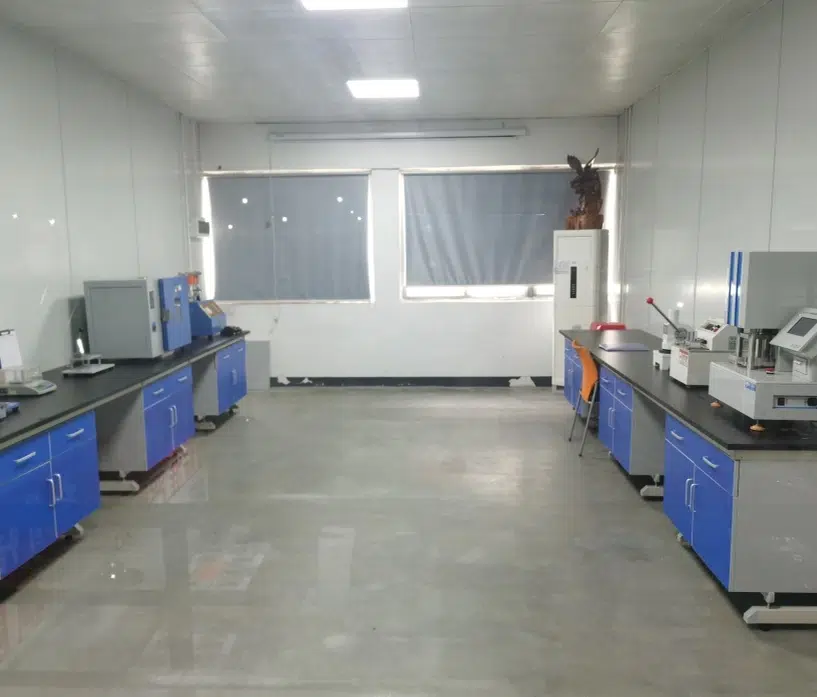
Test the layer that carries the load
Basis weight and ink rub are only valid for the named sheet and print systems. ECT and burst are only shown where the specified corrugated or packaging layer makes them significant; they are not shown as folding-carton numbers in general.
Report identifies the customer's job.
Method and acceptance basis are agreed before release.
A changed component or use condition triggers review.
From Food-Use Brief to Consolidated Shipment
The workflow ties product use, artwork and production evidence to the pack components procured through Huan Yin Packaging Group. It also gives procurement one owner for the printed box and related pack components.
01
Send use brief
Include food, contact path, inner pack, size, weight, quantity, storage, pack line, destination and artwork.
02
Review the carton
Review the Huandao carton construction in its entirety: window film, UV coating, laminate, adhesive, board, ink, structure and the prescribed document route.
03
Approve scope
A dieline, itemized quote, sample route and project assumptions are provided.
04
Validate the sample
The sample, which is digitally printed or run on the press, is checked for fit and graphics, and also for the correct pack-out.
05
Produce and record
Printing, finishing, die-cutting, gluing, inspection, and agreed run reports are completed as per the approved job.
06
Pack and ship
The printed carton, trays or inserts, and the outer shipping carton can be consolidated and shipped together as a single shipment using shared freight.
Written change control
If the approved material, specification, contact condition, temperature, duration or pack-out path changes, release stops. The changed input is reviewed before mass production. Huandao records the confirmed material, structure and documentation with the job.
- Repeat order with no change follows the approved route.
- Any changed input is assessed before the job is reopened.
- The new decision is attached to the job record.
Own Xiamen Plant and Real Food-Carton Work
Xiamen Huandao Packaging Technology Co., Ltd. was founded on 30 June 2003 with registered capital of RMB 20 million. Its own facility at No. 587 Tongfu Road, Tong'an District, Xiamen has 133 staff; it is a manufacturing plant, not a trading office. Among food folding carton packaging companies, this gives buyers evidence of where printing, converting and job testing takes place.
Huandao's printing and converting plant in Xiamen.
[ SEQ-01 ]
KBA Rapida 106 sheetfed offset press.
[ SEQ-02 ]
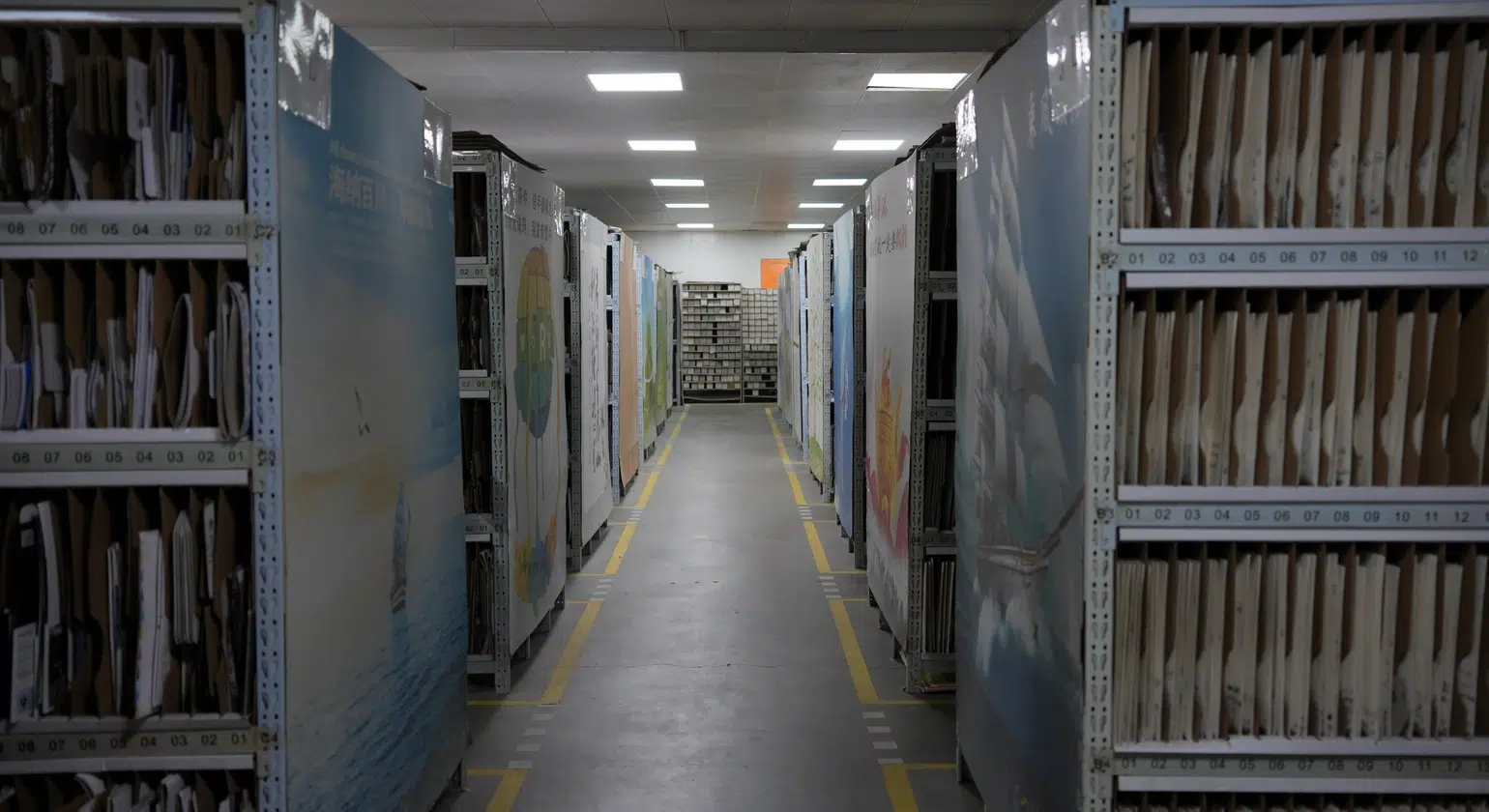
Indexed archive for physical samples and repeat jobs.
[ SEQ-03 ]
In-house single-facer corrugator for E-flute and B-flute supply.
[ SEQ-04 ]
Dispenser-style food cartons.
[ SEQ-05 ]
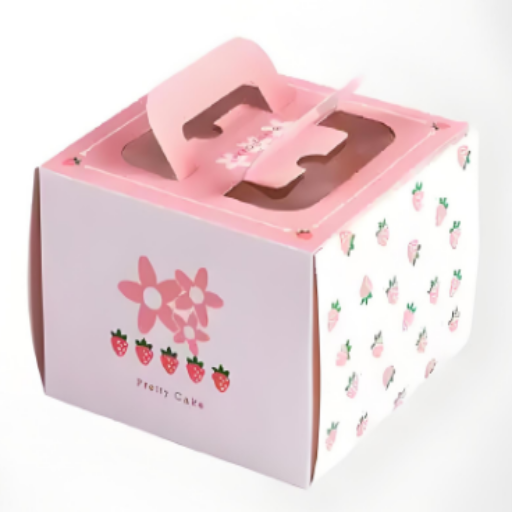
Cake carton with handle and window.
[ SEQ-06 ]
Carry-handle food box with product window.
[ SEQ-07 ]
Integrated colour-printing plant
Huandao is the colour-printing plant of Huan Yin Packaging Group. The group was brought together under that name in 2024, and reported group revenue has passed RMB 200 million.
Recognised manufacturing organisation
Huandao is a recognised National High-Tech Enterprise. Huan Yin Packaging Group is a President Unit of the Xiamen Printing Industry Association.
One coordinated pack project
Group production can combine the printed food box with an inner tray, protective insert and outer shipping carton. Procurement receives a coordinated specification and shipment plan.
In-house and sourced boundary
Pre-press, sheetfed offset printing, UV coating, lamination, die-cutting and folder-gluing run in-house. An in-line corrugator supplies single E-flute and single B-flute board; A, C, F, BC and other profiles use sourced board.
Food Carton Pre-Production Tools
Food Carton Use-Condition Control Sheet
Capture the use conditions that must be reviewed before a paperboard, coating, ink, adhesive, laminate or window-film route is released. This tool creates a review brief; it does not issue a food-contact or regulatory verdict.
Food Carton MOQ and Multi-SKU Planner
Compare a launch plan with Huandao’s standard MOQ of 1,000 pieces per size and style. The result identifies which SKUs follow the standard route and which need case review; it does not calculate a price.
Food Carton Sample Route Selector
Select what the sample must prove. The tool routes the request to a blank structural sample, a digital printed sample or a press-run finished sample based on the stated validation need.
Food Folding Carton FAQ
It is a cut and creased paperboard pack erected around food or an inner container. Printing, windows, handles and finishes can be added to the structure.
A carton is secondary packaging when a separate inner pack contains the food and the carton adds presentation or protection. The label alone does not decide regulatory scope: the complete construction, foreseeable transfer, storage time and temperature still matter. For a U.S. project, those conditions determine whether a component falls within an applicable authorisation, exemption or no-migration analysis.4
Start with food type, contact path, inner pack, temperature, duration, product load, packing method, destination and distribution. Those inputs route the board, ink, coating, laminate, adhesive and window film.
They affect the exposure model, barrier demand and physical strength of the converted pack. A greasy warm product placed directly against paperboard presents a different question from a dry cereal sealed in a pouch, even when both cartons have the same external dimensions. Refrigeration can add condensation; freezing can change board and coating performance; long storage can extend exposure, so the sample and document route should reproduce the realistic combination instead of relying on a raw-material label.
Options include tuck-style cartons, cake and bakery packs, dispensers, windows, carry handles, gable boxes and pizza or takeout formats. Load, contact, closure and venting decide the final route.
Yes. The feature is specified with its film, adhesive, tear line, base and real product load.
Yes, when the dieline is built around the line method. Share the erection direction, flap sequence, board caliper, glue area, loading motion, speed target and rejection criteria. The selected sample route should then test feeding, opening, closing and product fit before mass production.
Artwork follows the agreed proof route. Pantone colours use the signed reference and agreed ΔE method; foil, emboss, lamination, varnish and spot UV are reviewed on the required physical sample.
Provide every named component and supplier specification, not only the paperboard. The review also needs food type, direct or indirect contact, the possible transfer path, temperature, contact and storage duration, filling process, stacking, destination country and any customer standard. The applicable authorisation or exemption must match that use; a supplier-specific notification cannot be transferred to another supplier or condition without evidence.1, 5
That depends on the fibre, film, adhesive, coating, decoration and local recovery route. Assess the recyclability of the finished paperboard cartons, including all films and coatings, in the target market before making sustainable packaging claims.
Choose a blank sample for fit and pack-out, a digitally printed sample for artwork position, or a press-run sample for production print and finish. Blank and digital samples are free with buyer-paid courier; a press-run sample carries a fee.
The standard minimum order is 1,000 pieces per size and style. Smaller runs are reviewed case by case; timing follows the quotation and approved sample.
Yes. The group can coordinate those components and consolidate them into one shipment with shared freight.