Get in Touch with Xiamen Huandao Packaging Technology Co., Ltd.

ISO 3037 Tested
Printed Corrugated Boxes
Printed Corrugated Boxes for Retail Presentation and Shipping Applications
Huandao manufactures corrugated cardboard boxes and printed corrugated boxes depending on the product, the route of transportation and the approved print direction. Structure, board, proofs, finishing and run specific reports are reviewed in a custom integrated package specification before production.
1,000-piece standard MOQ by size and style · blank or digital sample paths · ECT, burst, ink-rub and basis-weight reports for the production run · lead time confirmed with the quotation.
Prepare the RFQ
Blank structural and digital samples are free excluding courier charges. Press-run finished samples carry a sample fee.
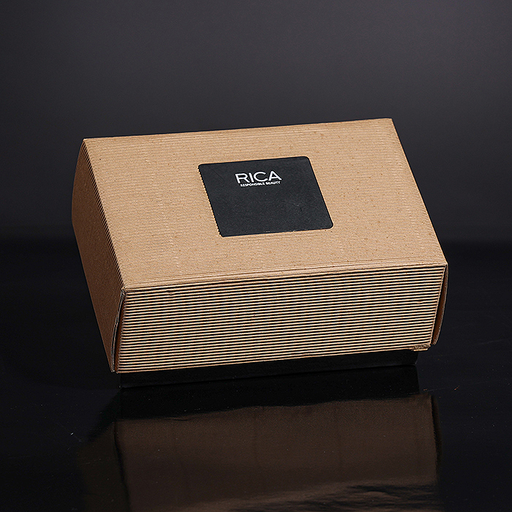
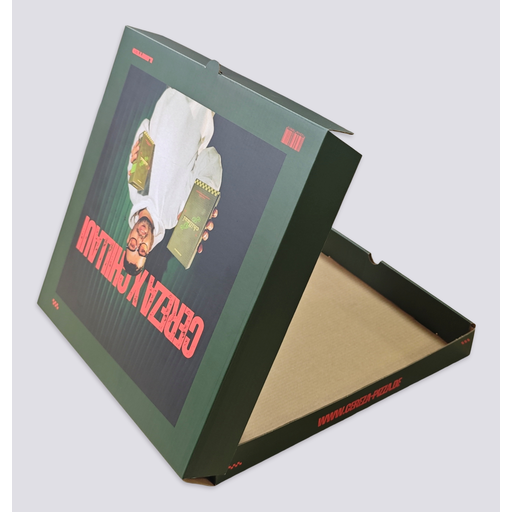
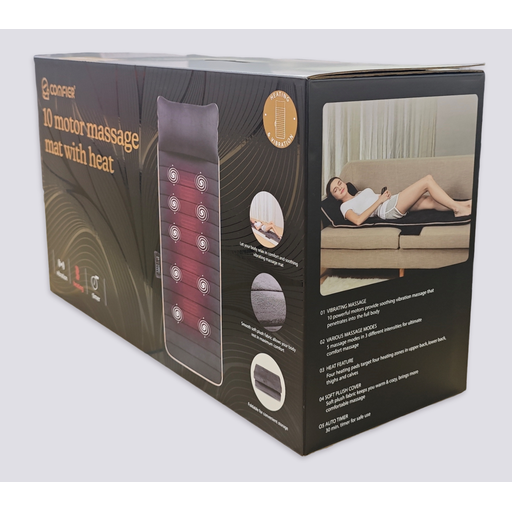
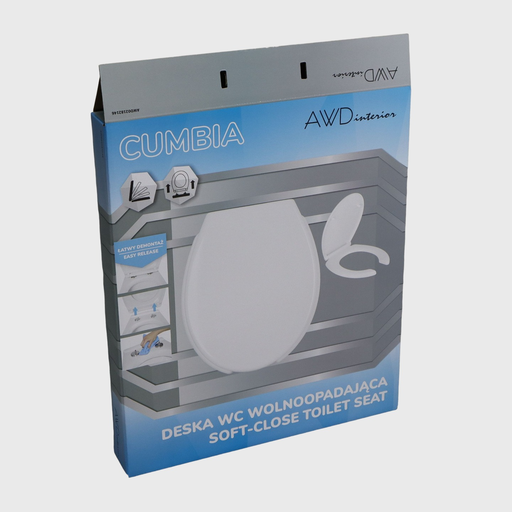
Printed Corrugated Box Capabilities at a Glance
Unlike a catalogue for stock boxes, this corrugated packaging program starts with a product, route and evidence the buyer must approve. Each program retains its own dimensions, construction and artwork. Evidence boundary: ISO 3037 can define an edgewise-crush test for corrugated fibreboard; it does not select a box style or certify the complete distribution route.
Five box structures
Retail shipper, flip-top distribution box, carry-handle box, crash-lock bottom box, and window box.
Board routes
E, B, and F flute options with BE double wall, plus white-top kraft, natural kraft, and litho top-sheet choices.
Color and finish
CMYK with up to 2 Pantone spot colours, supported by offset printing and finishing review.
Order basis
Standard MOQ: 1,000 pieces per size and style. Smaller runs are reviewed case by case.
Run evidence
ECT, burst, ink-rub, and basis-weight reports are issued for the customer’s own production run.
Box Structures for Retail, E-commerce and Distribution
A retail shipper protects a branded pack through handling, while also providing package visibility for the product at the receiving point. Flip-top, carry-handle, crash-lock and window structures are developed based on the product dimensions, opening behavior and packing method.
Match the name to the job
A shipping box, mailer box, or retail shipper may all be described casually as a mailer or corrugated cardboard box. The trade-off is structural: custom boxes must still be defined by loading, opening and distribution needs, not by the label alone. Structure boundary: ISO 3037 addresses a board attribute, so structure selection still depends on the packed product, opening behavior and route.
Retail shipper
For branded product packs that move from a distribution carton into retail presentation. Confirm product weight, internal dimensions, and stacking direction.
Flip-top distribution box
For repeated opening and presentation. Confirm closure use, packed orientation, and the board or top-sheet route.
Carry-handle box
For products where handling is part of the pack design. Confirm carry load, hand-hole construction, and reinforcement needs before tooling.
Crash-lock bottom box
For fast assembly formats. Confirm bottom-loading sequence, product support, and the approved sample route.
Window box
For product visibility with a patching operation. Confirm window material, location, finish, and intended use conditions.
Corrugated Board and Litho-Lamination Options
For a retail corrugated box, product dimensions and target print face drive board selection. E, B, F and BE are not a ranking for the strength of the board; an engineering review must take the project’s load and conditions.
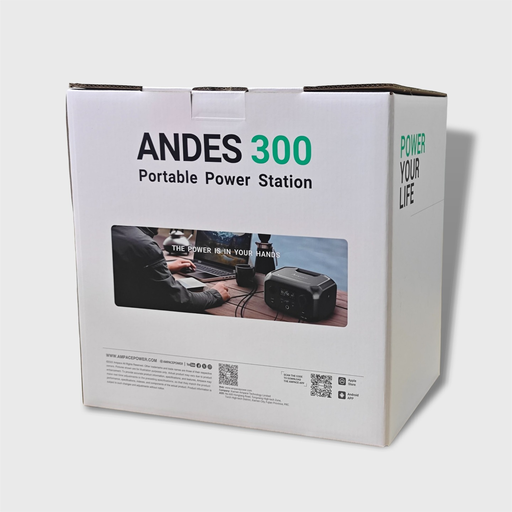
| Material route | Specification purpose | Buyer input before tooling |
|---|---|---|
| E flute | Corrugated construction with a print-facing option. | Product dimensions, protection need, and appearance target. |
| B flute | Corrugated construction for a defined packing route. | Stacking target, product weight, and closure design. |
| F flute | Micro-flute option where product protection still governs the selection. | Artwork, finish, and project-specific structural review. |
| BE double wall | Double-wall construction route for projects requiring further review of heavier stacking or transit conditions. | Load path, route, product condition, and required validation. |
| Litho top sheet | Printed top sheet laminated to the selected flute route. | Proof, color target, print coverage, and finish. |
Manufacturing boundary
Pre-press, sheetfed offset printing, UV coating, lamination, die-cutting, folder-gluing, and single E- and B-flute corrugation are in-house. A, C, F, BC, and other board profiles use sourced board.
Recovery claim boundary
Corrugated cardboard may be recyclable in an applicable local system, but that is not a universal finished-pack claim. Confirm how lamination, foil, windows, handles, coatings and residues affect the chosen construction and destination. Test-method boundary: when ECT evidence is required, ISO 3037 may define the named board test; the buyer still has to specify sampling, conditioning and acceptance criteria.
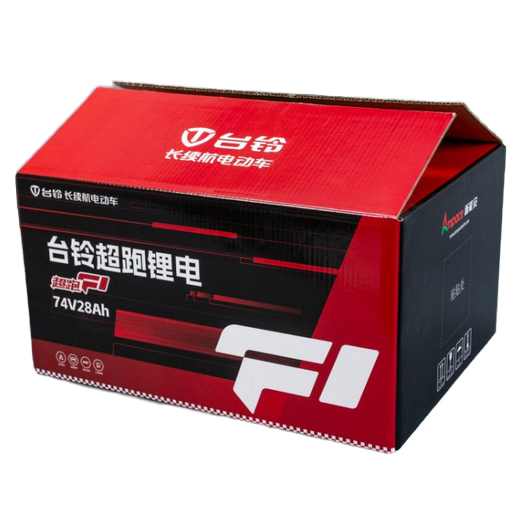
Offset Printing, Color Control and Finishing
Sheetfed offset printing supports CMYK and up to 2 Pantone spot colours, with a 6-colour press and inline coater in the documented scope. For custom printed boxes, the useful production control is a comparison to the approved proof under an agreed viewing and measurement method.
Surface routes
Gloss, matte, and soft-touch lamination; matte anti-scratch varnish; and spot UV are reviewed against the required look and handling exposure.
Detail routes
Hot foil in gold, silver, or holographic effects; embossing, debossing, and window patching are specified through the approved artwork and sample path.
Proof control
Identify the artwork version, signed proof, viewing condition, and agreed measurement method before releasing production. Print-control reference: ISO 12647-2:2013 covers process-control parameters for offset lithographic printing, including cardboard packaging; the order still needs its own approved proof and acceptance method.
Manufacturing Inputs for Board, Print and Construction
The specification is the common record for the product and supplier team. It separates production inputs from evidence requests. Without a specification, an attractive printed box may be approved through artwork alone.
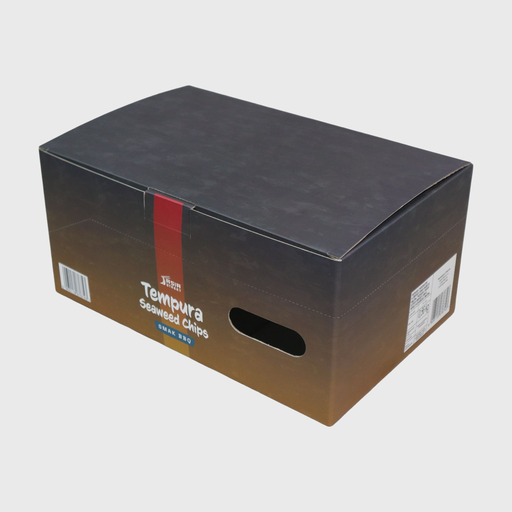
| Specification item | Governed value | RFQ implication |
|---|---|---|
| Box structures | 5 evidenced styles | State loading and opening behavior. |
| Single-wall routes | E, B, F | Match the print face and protection need. |
| Double-wall route | BE | Review load and transit conditions. |
| Process colours | 4-colour CMYK | Submit approved color target. |
| Spot colours | Up to 2 Pantones | State exact brand-colour requirements. |
| Press route | 6 colours plus inline coater | Confirm sequence and coating. |
| Standard MOQ | 1,000 pieces per size/style | Separate every size/style version. |
| Run reports | 4 report types | State required report fields and conditions. |
| Dimensions | Custom L × W × H in mm or inches | Identify internal or external basis. |
Input example, not a factory limit
A procurement brief might record a 400 × 300 × 200 mm internal box and a 12 kg gross packed mass. Those values illustrate the fields a buyer should supply; custom sizes are engineered from the real product and route. Sampling boundary: ISO 186:2002 addresses representative sampling of a paper or board lot; any required lot-sampling plan must be stated separately in the order specification.
Pricing Drivers, MOQ, Samples and Lead Time
Size, flute and liner route, print coverage, Pantone count, finishing, windows or inserts, versions, quantity, evidence, and destination drive a packaging quote. Packaging needs cannot be met with a single unit of comparison.
MOQ and versions
The standard MOQ is 1,000 pieces per size and style. Smaller runs are reviewed case by case, so sizes and artwork versions should be listed separately.
Sample path
Blank structural samples and digital samples are free excluding courier charges. A press-run finished sample carries a fee.
Quotation schedule
Lead time is confirmed for each quotation. Repeat orders with unchanged specifications can skip tooling and sampling steps.
Commercial comparison rule
Compare the minimum order by size/style and ask for the quoted production turnaround, sampling path, tooling basis and freight scope. These inputs keep packaging products with different specifications from appearing equivalent.
Why the evidence chain matters
A 1 mm dimensional mismatch or a 12 kg packed load can create crush risk, print inconsistency and costly rework. The reason is structural: board data and an approved proof describe selected attributes, whereas they do not reproduce every distribution hazard. The trade-off is that attribute evidence is narrower than route-level assurance.
Responsibility split
Huandao Packaging provides run-linked checks from its own factory and in-house laboratory, while the buyer defines the acceptance decision. ISO 3037 and ISO 2759 support specific board-property evidence; a board-property test is not a substitute for a filled-package simulation, and the two records are not interchangeable.
Evidence boundary
ISO 3037 addresses edgewise crush resistance of corrugated fibreboard, while ISO 2759 addresses board burst strength. Those attribute tests do not establish a complete filled package’s route performance. For a packaged-product simulation, agree a separate schedule such as an applicable ISTA 3A approach and confirm the real route and any regulatory requirements.

| Buyer objective | Input and controllable step | Evidence delivered | Separate validation |
|---|---|---|---|
| Approved appearance | Artwork version, signed proof, agreed viewing method | Production print/color check | Project-specific acceptance criteria |
| Board attributes | Board route and requested report fields | ECT, burst, ink-rub, and basis-weight reports for the run | Filled-package transport performance |
| Distribution confidence | Product condition, complete pack, route, and acceptance plan | Defined test record where requested | Applicable distribution-test schedule and route conditions |
Workflow
A Scanned Production Workflow from Artwork to Shipment
Many checks occur along the process to make changes in dimension, art, finish, quantity or required reports visible before tooling. Production visibility supports the process; it does not replace the buyer’s acceptance decision. Traceability boundary: MES scan records show process progress; if representative lot sampling is required, define it separately using an applicable method such as ISO 186:2002.
01 / 06
When Another Packaging Route Fits Better
Validation
01
Warehouse
02
Transport
03
Food-contact
04
Recovery
05
Short validation run
For a very small quantity or a one-off concept, discuss a digital or blank structural sample before choosing a press-run finished sample.
Unbranded warehouse box
For a standard storage carton with no branded presentation, a standard shipping-carton route may be more suitable than litho-laminated packaging.
Special transport or regulated use
For extreme loads, dangerous goods, or regulated packaging, begin with an independent structural and compliance review rather than applying a retail printed-box specification.
Food-contact use
For direct or reasonably foreseeable food contact, confirm each board, ink, adhesive, coating, polymer, colorant, and window material against the intended food and use conditions.
Multi-material recovery
For laminated, foiled, windowed, coated, or handled packs, assess the whole construction and the local collection system instead of making an unconditional recyclability claim. Decision boundary: ISO 3037 is specific to corrugated fibreboard testing; it cannot establish that corrugated board is the right material for every regulated, reusable or multi-material application.
Printed Corrugated Boxes Planning & Readiness Tools
01
Printed Box RFQ Readiness Checker
Check whether a quotation request contains the inputs needed to review structure, print, shipment, and evidence. This checker scores completeness only; it does not price a box, select a flute, or approve a package design.
02
Print and Finish Specification Planner
Build a concise brief for proof review. The output records the visual objective and approval fields; engineering still confirms substrate, sequence, finish compatibility, and production method.
03
MOQ and Artwork Version Planner
Plan quantity by distinct size/style and artwork version before requesting a quotation. Huandao’s standard MOQ is 1,000 pieces per size and style; smaller runs are reviewed case by case and this planner does not create a quote.
Frequently Asked Questions
This capability page covers sheetfed offset printing with CMYK and up to 2 Pantone spot colours. The artwork, substrate, proof, and finish are reviewed together before production.
The documented structures are retail shipper, flip-top distribution box, carry-handle box, crash-lock bottom box, and window box.
Send product dimensions, weight, packed orientation, and the intended internal or external box-dimension basis. State any stacking and distribution information before tooling.
The standard MOQ is 1,000 pieces per size and style. Smaller runs are reviewed case by case in the quotation.
Blank structural and digital samples are free excluding courier charges. Press-run finished samples carry a sample fee.
Lead time is confirmed with the quotation after the project inputs are reviewed. Repeat orders with unchanged specifications can skip tooling and sampling steps.
ECT, burst-strength, ink-rub, and basis-weight reports are available for the customer’s own production run when requested in the specification.
No. They address board attributes. ISO 3037 defines a named board test, not a complete filled-package distribution test. A filled-package distribution decision needs a separately agreed test approach, package configuration, and acceptance criteria.
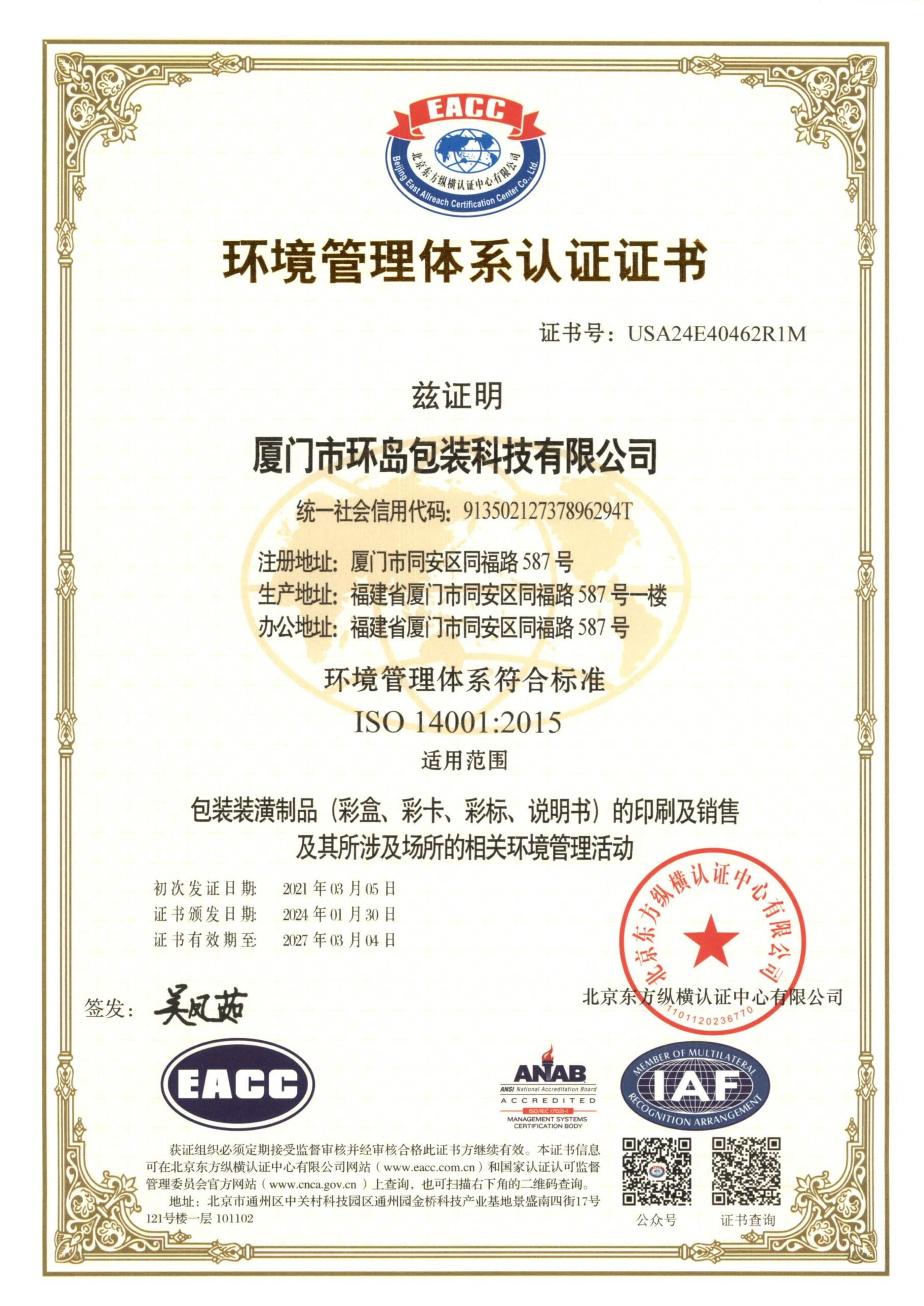
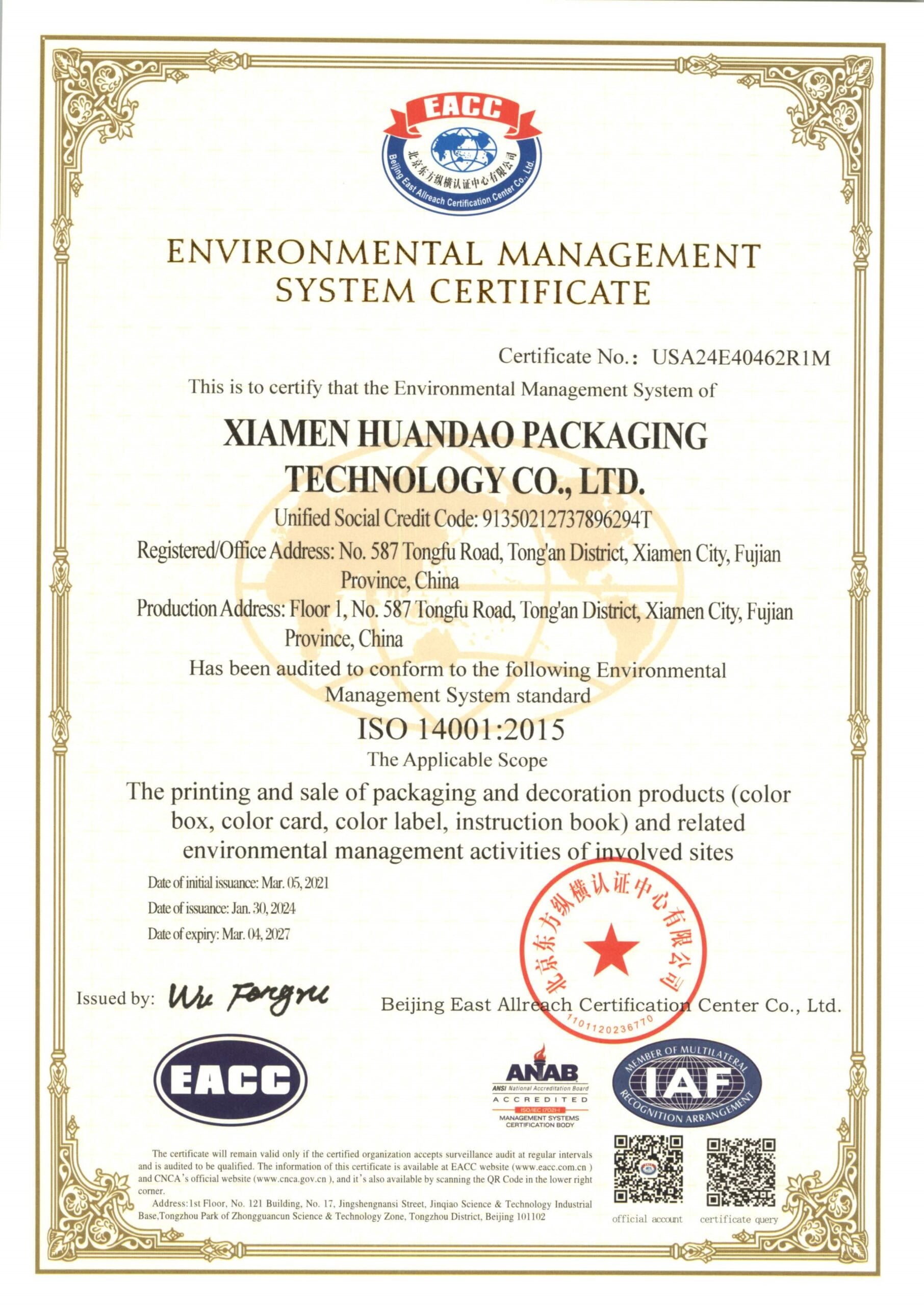
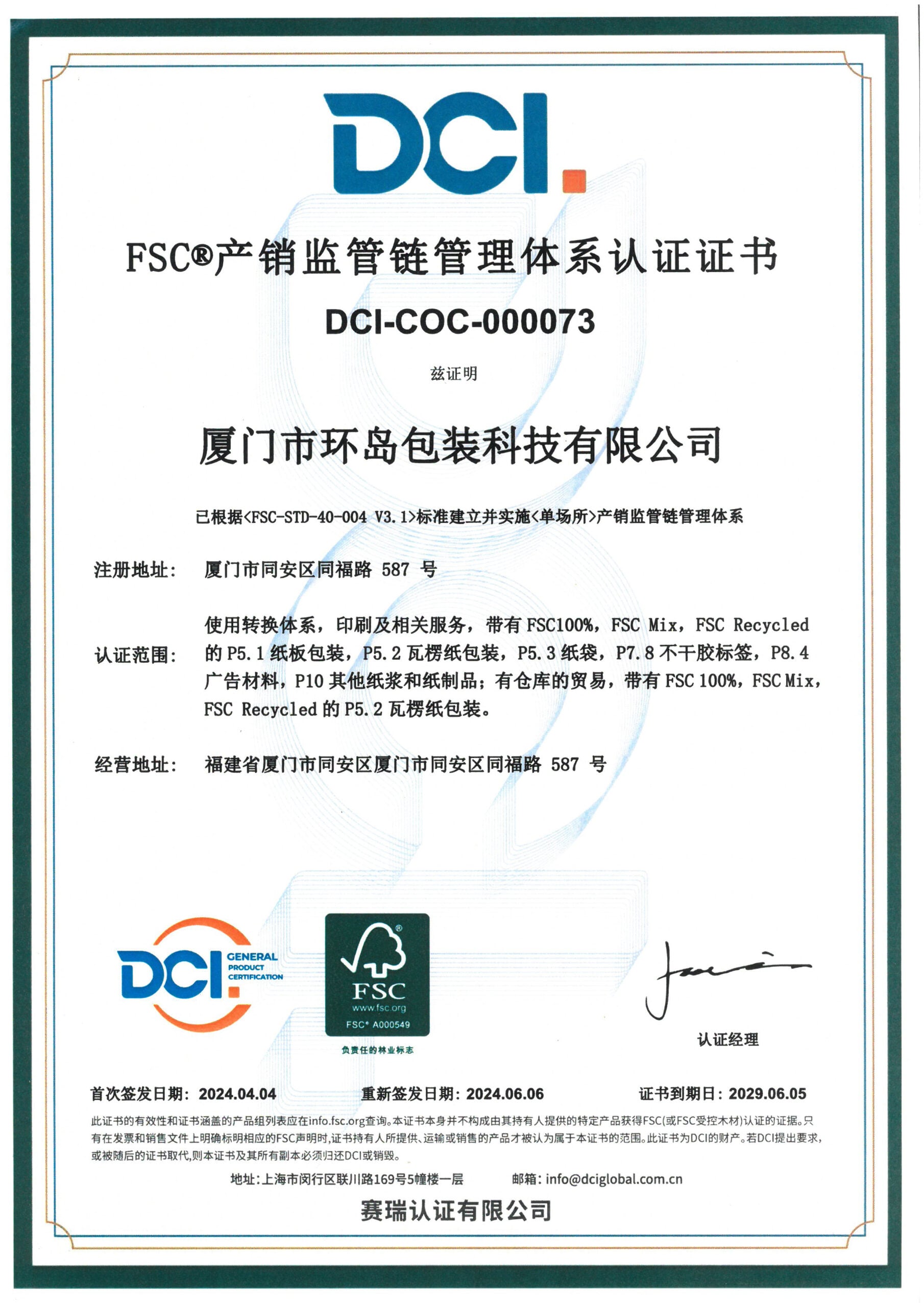
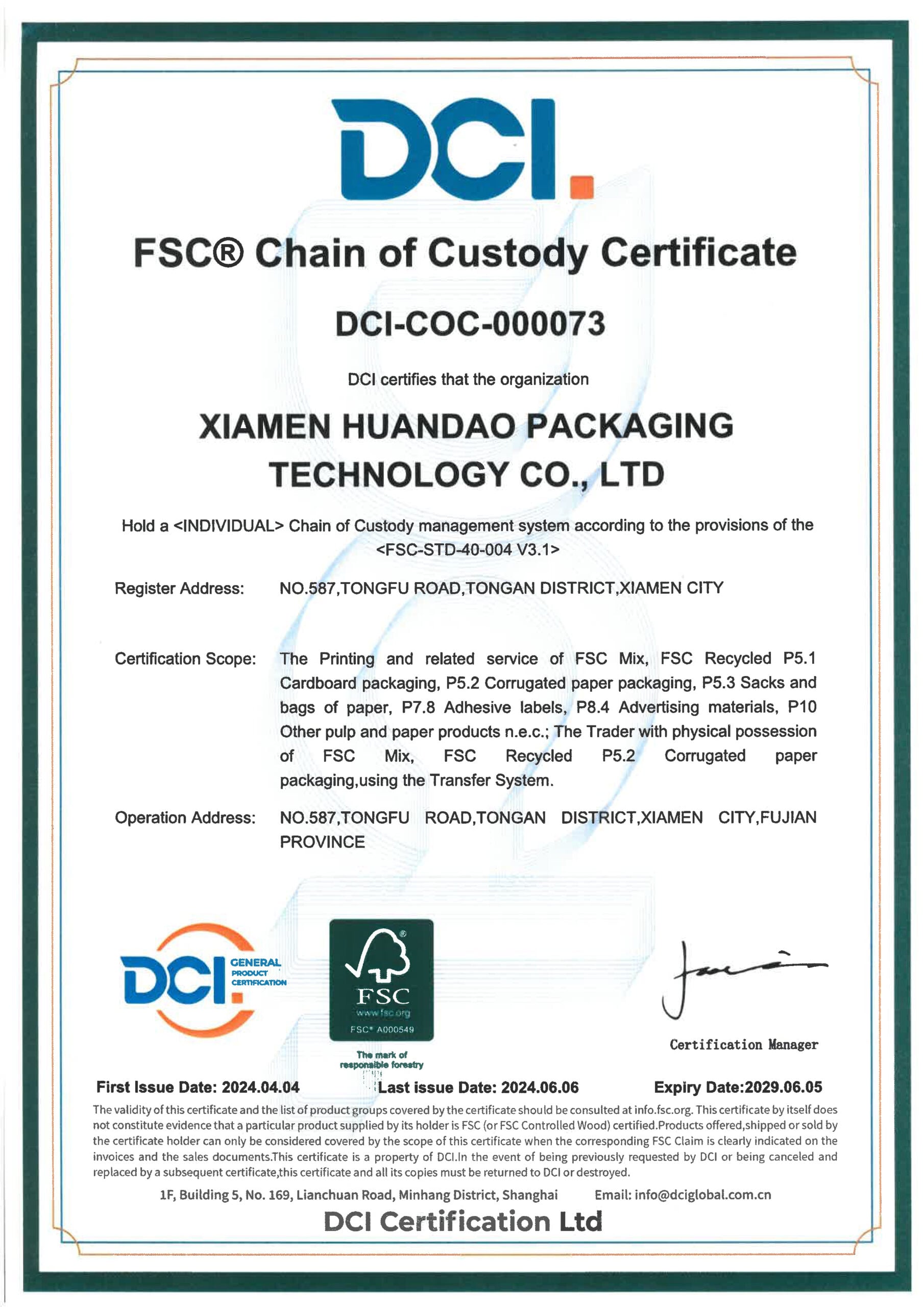
FSC chain-of-custody board is available on request. Request the applicable certificate and product claim for the intended order.
Provide dimensions, structure, quantity by version, product weight, distribution route, artwork, print and finish, destination, sample route, and required reports.