Get in Touch with Xiamen Huandao Packaging Technology Co., Ltd.

Xiamen paper packaging manufacturer
Custom Cosmetic Folding Cartons for Skincare and Beauty Products
Our process starts with designing a custom cosmetic box around your bottle, jar, tube, or personal-care device, and then managing the custom folding carton process through pre-press, sheetfed offset printing, finishing, die-cutting and folder-gluing at our facility in Xiamen.
- 300–400 gsm paperboard
- CMYK + up to 2 Pantone colors
- Standard MOQ: 1,000 pieces
- Blank + digital samples free
The dimensions of the carton and paper fitments are engineered around the bottle, jar, tube or personal-care device so that the product does not move in the retail pack.
Build the Carton Around Product, Brand, and Filling Method
We prefer to start a cosmetic box design with a real-world container instead of a dieline. When engineering a cosmetic box, we review the weight and dimension of the container, the closure, the filling method, the display face and required copy, and the route from the packing line to retail or ecommerce delivery.
Nine Product and Structure Routes
| Product pattern | Recommended starting structure | First check |
|---|---|---|
30–50 ml skincare bottle |
Reverse tuck cosmetic box + neck support | Cap clearance and upright movement |
Glass serum dropper |
Straight tuck custom cosmetic box + base cradle | Glass weight and dropper clearance |
Wide cosmetic jar |
Tuck carton or sleeve + tray | Panel bow and top-load distribution |
Soft tube |
Straight tuck folding carton | Crush space around cap and shoulder |
Fragrance set |
Sleeve + tray with multi-cavity paper fitment | Part spacing and opening sequence |
Color cosmetic palette |
Shallow product box with thumb notch | Hinge and edge protection |
Oral-care device |
Larger folding carton packaging + compartmented insert | Accessory count and cable restraint |
Retail tester kit |
Display box with fitted cells | Repeated access and counter footprint |
Ecommerce bundle |
Retail carton + group outer shipper | Void, orientation, and consolidated pack plan |
Match Paperboard and Fitment to the Product Load
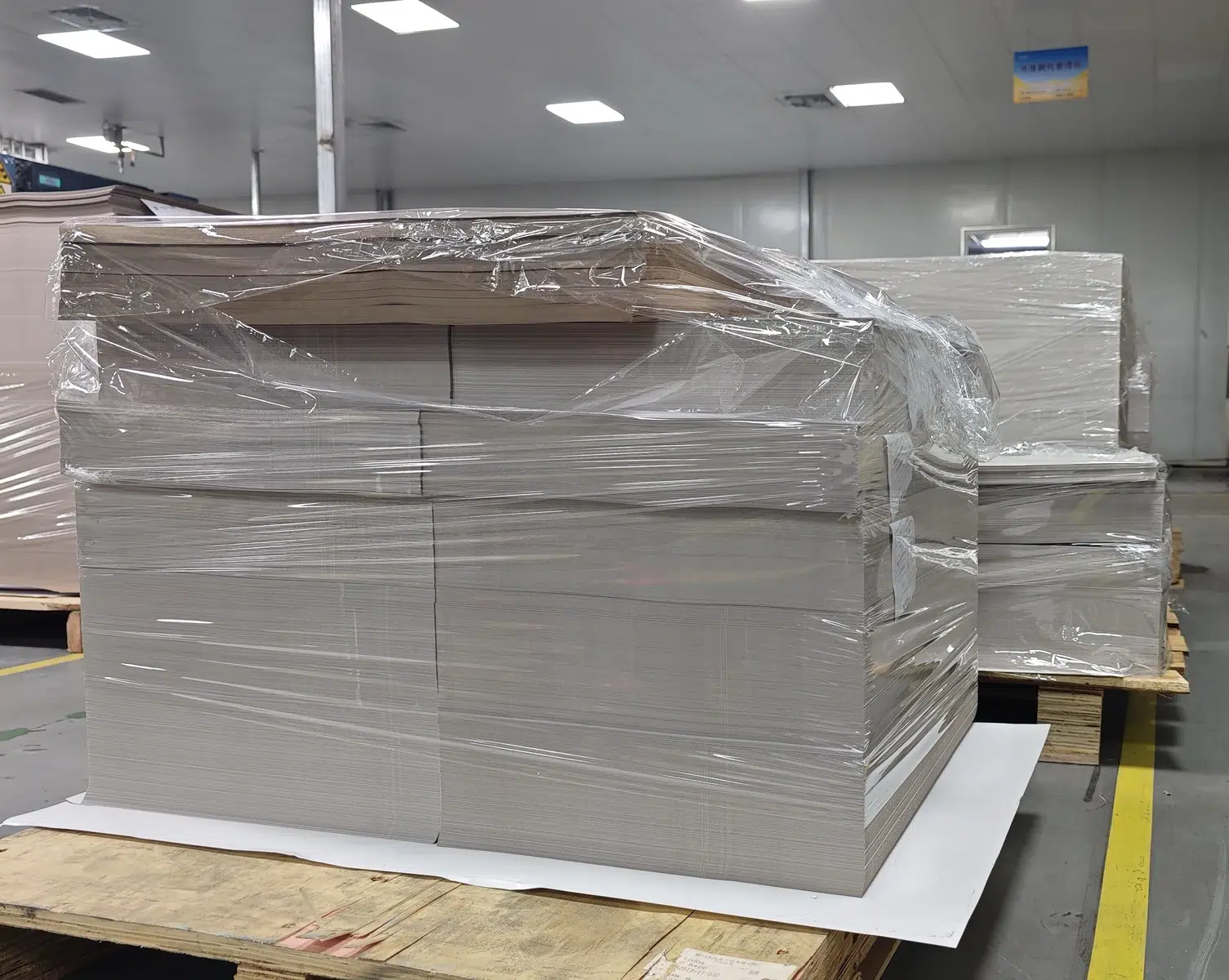
Our standard cosmetic boxes use 300–400 gsm coated folding boxboard. For luxury cosmetic boxes, specialty and textured papers are used. A paperboard fitment or insert holds the product inside the cosmetic box packaging.
Coated Folding Boxboard
A white printable surface supports process color, spot color, foil stamping, emboss work, and detailed brand copy. The grammage is selected against carton size, product weight, finish stack, score layout, and the handling expected during packing.
Specialty and Textured Paper
A tactile substrate can give beauty packaging a different hand feel without adding a plastic effect. Texture changes ink lay, stamp pressure, lamination behavior, and color appearance, so we check it with the intended artwork and finish.
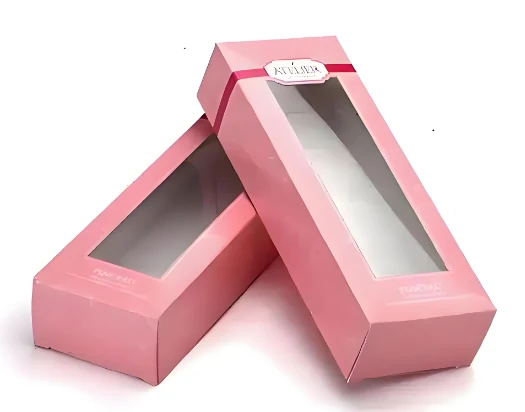
Paperboard Fitments
Die-cut fitments separate glass, pumps, caps, applicators, and accessories without turning the retail carton into a loose cavity. Product weight and movement allowance determine the number of support points and the grain direction.
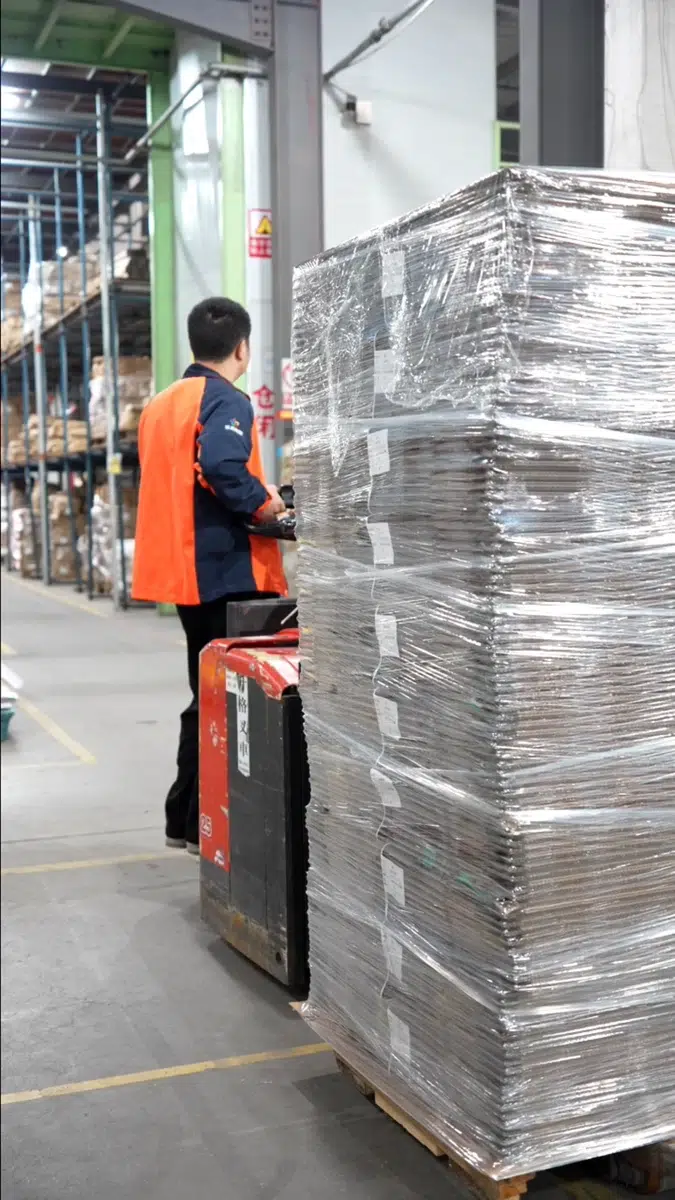
Retail and Shipping System
Huandao Packaging Group can supply inner trays, inserts, retail packaging boxes, and outer shipping cases for the same product. Single E-flute and single B-flute board comes from the in-line corrugator just in time; A, C, F, BC, and other corrugate profiles use sourced board.
Material Claim Discipline
Paperboard may support renewable-fiber and recyclable packaging goals, but an eco-friendly claim cannot come from the word “paper” alone. A generic paper label is not a substitute for reviewing coatings, laminates, windows, adhesives, local collection rules, and the exact source specification before environmental copy is approved.
Plan Sustainability Against the Finished Construction
A sustainability review starts with the complete custom packaging specification, not a generic material label. We can compare a paper-only fitment with a mixed-material alternative, identify finishes that may affect local recovery, and help the buyer describe documented inputs responsibly. The buyer remains responsible for market-specific claims and disposal instructions.
Custom Sizes Need Product Data
Every custom box is sized from the primary container, fitment, closure direction, filling method, and required graphics area. Provide the maximum product dimensions rather than a nominal label size, then approve a physical blank sample before the cutting die and printed artwork are released.
Combine Print and Premium Finishes as One Construction
Control Fit, Color, and Run-Speci
Finish choices influence more than appearance. Every premium effect carries a trade-off in fold response, scuff behavior, glue land, registration, or recyclability, so the board, score, ink, coating, film, adhesive, foil, and die pressure must work together after folding and during repeated handling.
An eye-catching finish cannot help a product with a loose fit or a weak release sequence. We approve structure first, then align packaging designs, substrate, print and finish to the same dieline.
Gloss lamination
V High sheen & wipeable
R Fold and edge response
P In-house lamination
Matte lamination
V Reduced glare
R Rub and scuff behavior
P In-house lamination
Soft-touch lamination
V Velvety tactile surface
R Foil, glue, & print
P In-house lamination
Anti-scratch varnish
V Low-glare coated surface
R Ink-rub & handling check
P UV coating line
Spot UV
V Localized gloss contrast
R Registration to printed art
P UV coating line
Gold / Silver foil
V Reflective foil detail
R Stamp area, heat, pressure
P Quoted to artwork
Emboss or deboss
V Raised or recessed graphic
R Board caliper & score
P Die-cutting route
Window patching
V Product visibility
R Position, glue, transport
P Quoted to structure
Control Fit, Color, and Run-Specific Evidence
The specification for a carton is the accepted standard for design, pre-press, production and procurement. It replaces broad “highest quality” and “high-quality” language with dimensions, board, color, finish, sample, report, and shipment decisions that can be checked.
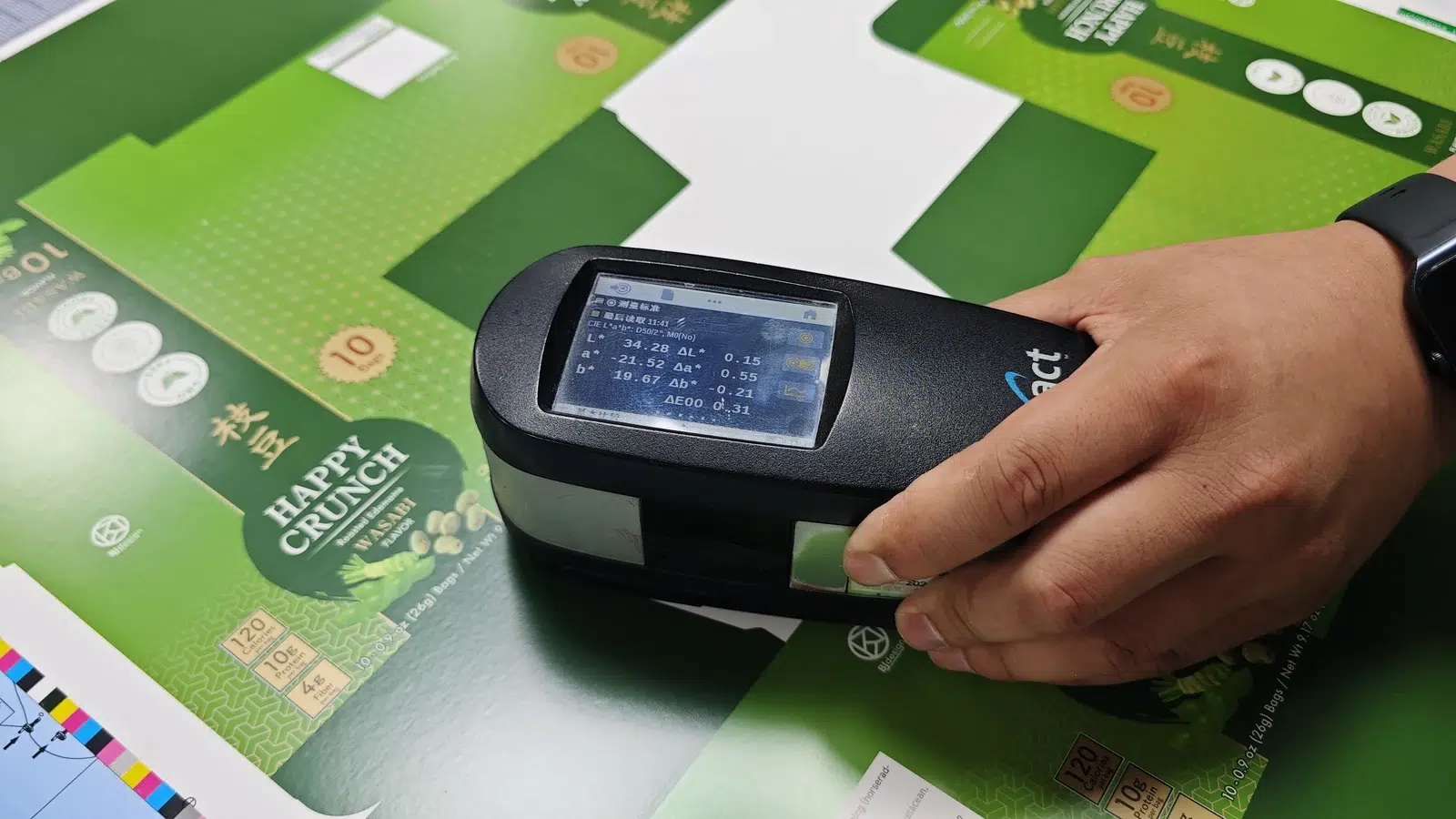
Color acceptance is controlled against the signed contract proof and the agreed Delta E tolerance. Job-specific ECT or burst, ink-rub and basis-weight test reports can be issued for the customer's own production run.
Test Scope Matters
Ink-rub data addresses surface scuff resistance, and basis weight records mass per unit area. ECT or burst applies only to the relevant corrugated test object; it is not a substitute for loaded-package distribution validation and is not interchangeable with it.
Specification
Huandao production basis
Paperboard
300–400 gsm coated folding boxboard; specialty and textured papers by quote
Print platform
6-color sheetfed offset press with in-line coater
Color build
CMYK plus up to 2 Pantone spot colors
Color acceptance
1 signed contract proof + the agreed Delta E tolerance
Core structures
3 routes: tuck end, sleeve + tray, and windowed carton with paper fitment
Standard MOQ
1,000 pieces per size and style; smaller runs reviewed case by case
Free sample types
2: blank structural sample and digital printed sample; buyer pays courier
In-house process scope
6 stages: pre-press, offset printing, UV coating, lamination, die-cutting, and folder-gluing
Run-specific reports
3 evidence groups: ECT or burst where applicable, ink-rub, and basis-weight
Applications
5 groups: skincare, color cosmetics, oral care, fragrance, and personal-care devices
Build the Quote Around the Same Commercial Scope
Cosmetic packaging is priced according to dimensions, board and structure, print coverage, finish and fit, quantity, sample route, and shipment configuration. A custom quote is useful only when every supplier prices the same packaging solution and delivery scope.
Cost Drivers and Buyer Controls
Bronze Total-Delivered-Cost Card
Cost per accepted usable carton = cartons + fitments + tooling + samples + freight + agreed ancillary charges, divided by accepted usable cartons. Compare first and repeat orders separately. Repeat orders skip tooling and sampling when the structure, artwork, and finish remain approved, which shortens the schedule without inventing a universal saving percentage.
MOQ and Samples
Standard MOQ is 1,000 pieces per size and style; smaller runs are reviewed case by case. Blank structural and digital printed samples are free, with courier cost paid by the buyer; press-run samples are charged and approvals are recorded by email and photographs.
Lead Time and Quote Scope
Production lead time is confirmed per the written quotation after artwork, structure, quantity, and finish requirements are reviewed. A quote should separate unit and total price, size or weight, delivery term, payment term, expected shipment timing, and validity period.
Release Every Job Through the 7-Point Cosmetic Carton Release Matrix
We use a matrix of seven release points (Fit, Board, Color, Finish, Rub, Compression/Basis Weight and Shipment Configuration) to maintain a cosmetic packaging box in alignment from sample to packed order. The matrix does not turn every test into a claim; it assigns the right evidence to the right risk.
One Release Path, Not Separate Approvals
The common mistake is treating fit, color, finish, and testing as separate approvals, because one late change can invalidate an earlier decision. Unlike a finish-only catalogue, the differentiator is a job-linked release path: Huandao Packaging engineers the structure around the product, records the signed proof and agreed tolerance, and separates FDA labeling inputs, material reports, and shipping-unit validation by scope.
Internal release principle: The approved product fit, signed contract proof, agreed color tolerance, finish stack, and test scope must point to the same production job before the carton is released.
Applied in Huandao's pre-press and quality-control workflow
| Product or risk pattern | Fit | Board | Color / finish | Applicable evidence | Shipment configuration |
|---|---|---|---|---|---|
Glass serum bottle |
Neck and base support | 300–400 gsm route reviewed to weight | Proof + edge check | Basis weight; ink rub if needed | Retail carton + outer case |
Wide cream jar |
Panel bow and lid clearance | Caliper and grain review | Lamination at scores | Basis weight | Orientation fixed in case |
Soft skincare tube |
Cap and shoulder clearance | Compression at tuck panel | Rub at contact faces | Ink-rub report | Void control |
Fragrance gift set |
Multi-cavity fitment | Tray stiffness | Foil, emboss, or tactile paper | Signed proof + physical sample | Insert + retail carton + shipper |
Color cosmetic palette |
Edge and hinge protection | Shallow-wall review | Spot UV registration | Ink rub where specified | Layering and divider plan |
Windowed carton |
Product-window alignment | Cutout strength | Patch and glue clearance | Structural sample | Window exposure reviewed |
Oral-care device |
Device and accessory cells | Load spread across fitment | Dense copy and icon check | Applicable corrugated ECT or burst | Retail carton + protective outer |
Repeat brand series |
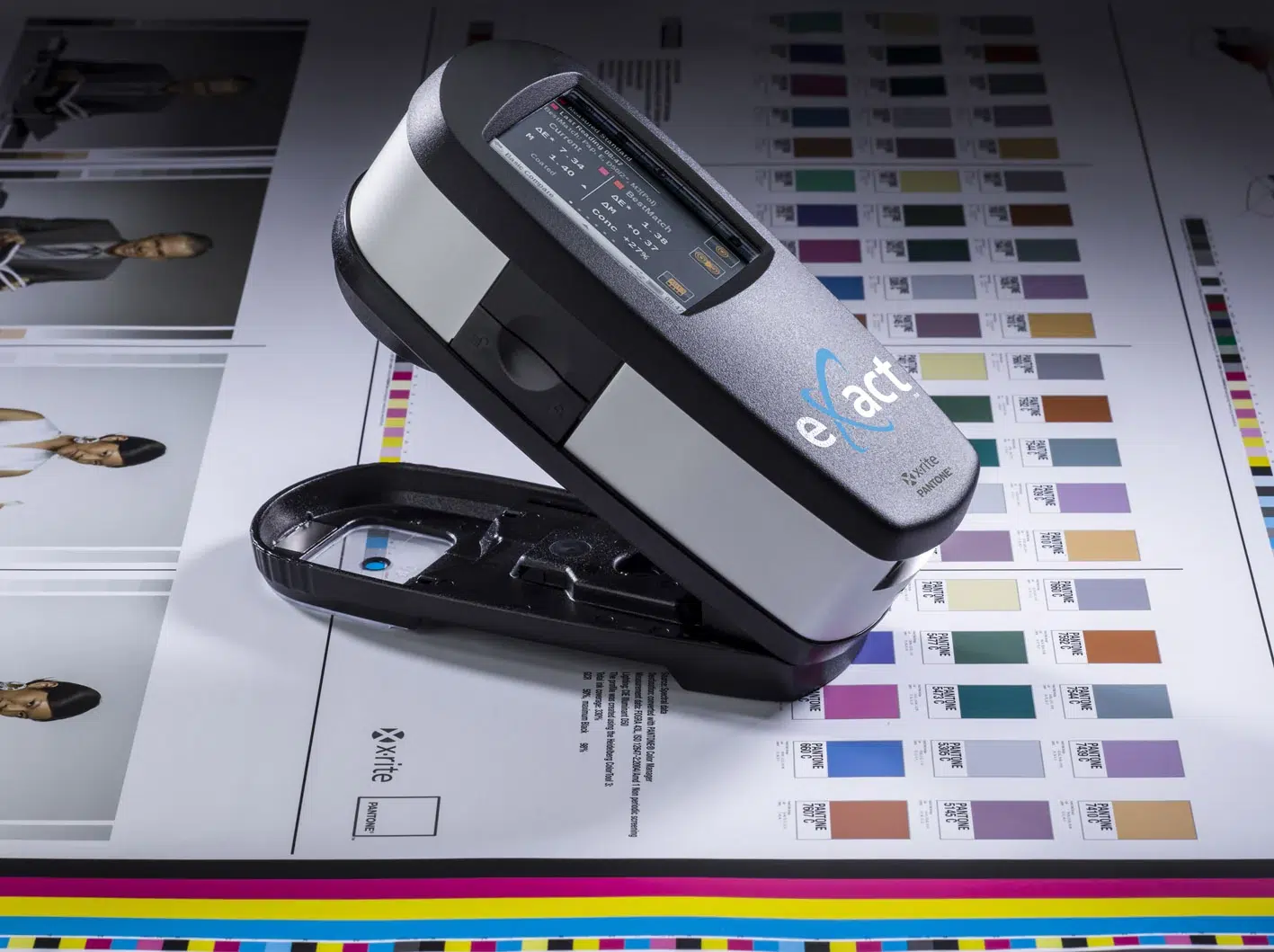
Shared datum recorded | Approved board carried forward | X-Rite color control against proof | Agreed Delta E + ink rub | SKU separation |
Ecommerce bundle |
Movement between components | Retail versus shipper roles | Scuff-prone faces identified | Material reports are not transit proof | Loaded-package validation scoped separately |
Mixed packaging order |
Carton, tray, insert interfaces | Paperboard and corrugated scopes separated | Shared artwork release | Reports tied to each job | One consolidated shipment when quoted |
Run-Specific Laboratory Records
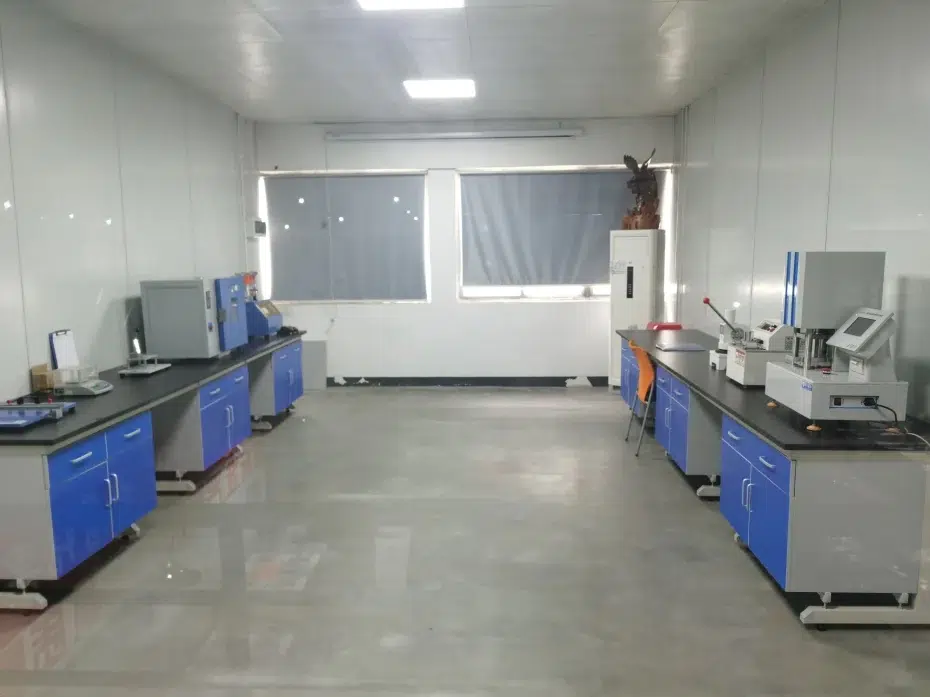
An in-house laboratory issues ECT or burst, ink-rub, and basis-weight test reports for the customer's own production run. Every process step is scanned into the MES kanban and reported in real time, with ERP and intelligent scheduling behind production control.
In-House Production Boundary
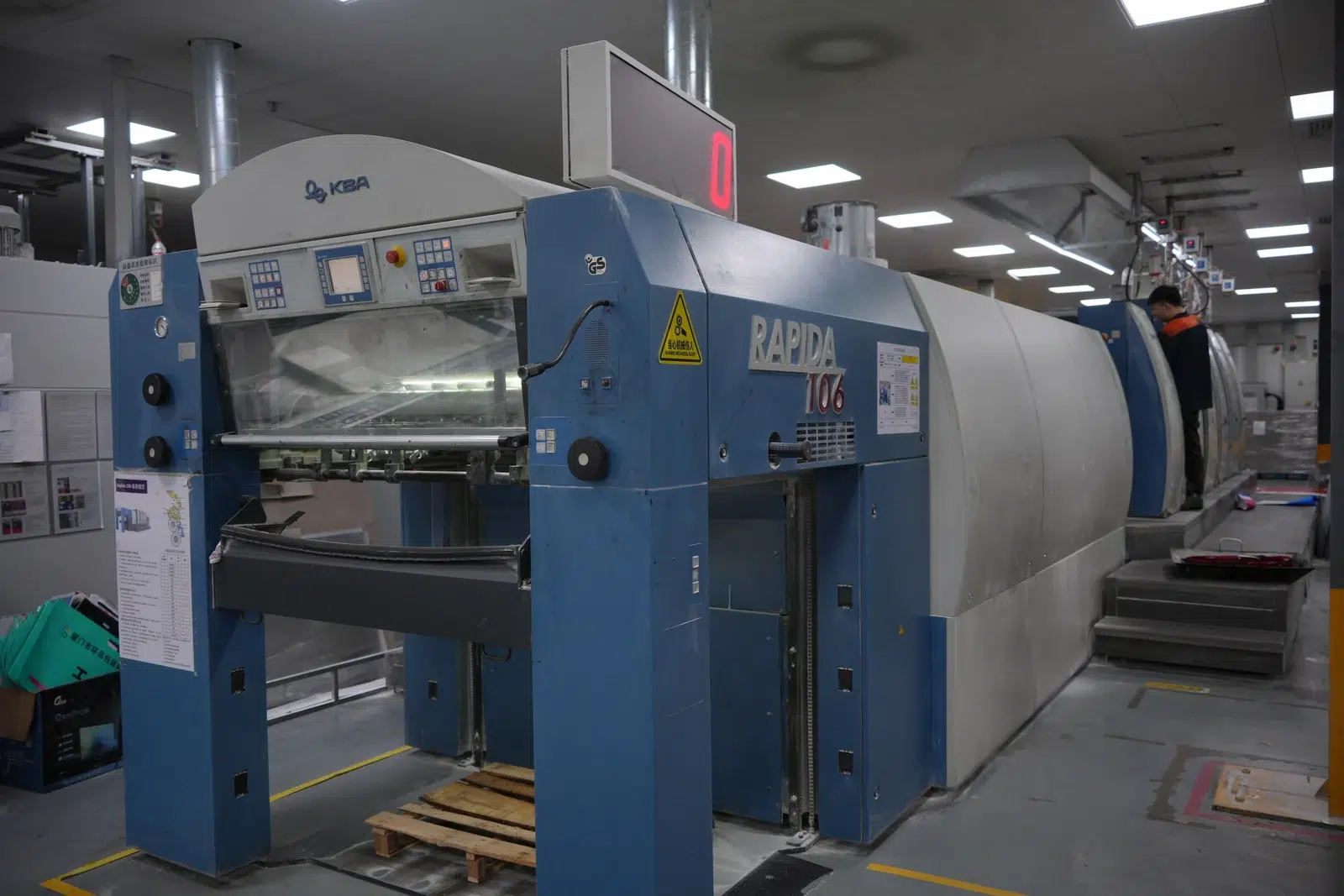
Pre-press, sheetfed offset printing, UV coating, lamination, die-cutting, and folder-gluing run in-house; single E- and B-flute board is supplied just in time by an in-line corrugator, while A, C, F, BC, and other profiles use sourced board.
Move from Product Data to a Controlled Production Release
Submit primary container dimensions, weight, and quantity per SKU. Indicate container orientation and artwork and finish status. Also indicate filling method and delivery destination.
We choose the carton route, fitment, board, grain direction, glue areas, and dieline around the actual product.
Check fit, movement, closure, hand assembly or packing-line behavior, panel access, and display orientation before final artwork.
Digital printed samples should be reviewed to assess printed appearance. Use a charged press-run sample when the final substrate and finish must be represented.
Sign the contract proof and agree the Delta E tolerance.
When the quote includes consolidation, move approved cartons, paper inserts, trays, and outer shipping cases in one shipment.
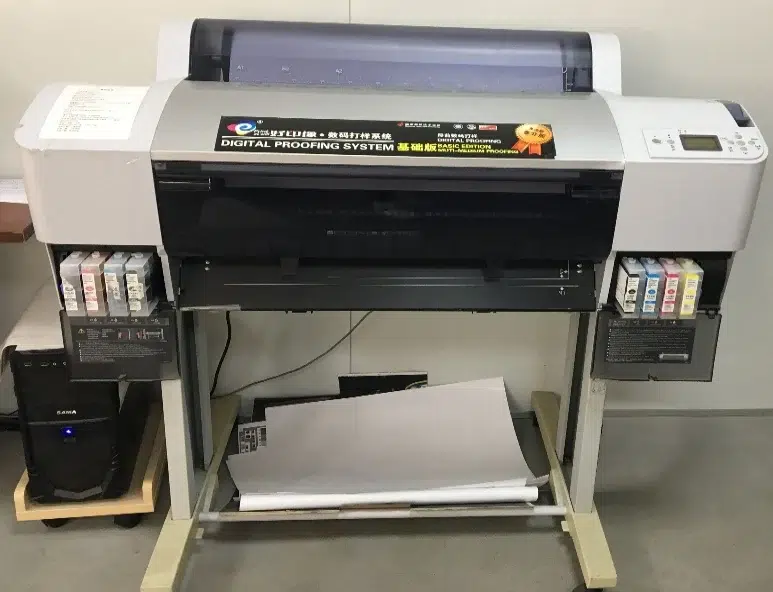
Build the dieline after the container and structure are fixed. Leave adequate bleed, safety margins, and quiet zones for barcodes, text, foil and emboss. For glue flaps and window cut outs, leave adequate space for viewing; these should be distinguished and easily viewed by pre-press.
- Plan the immediate-container and outer-package copy together.
- Intended use can move anti-dandruff, antiperspirant, or sun-protection products into both cosmetic and drug requirements, so the buyer must supply the approved classification and final copy before print release.
Review Real Product and Factory Evidence
Huandao has produced printed paper packaging, including folding cartons, since 2003. Founded on 30 June 2003, Huandao operates its own facility at No. 587 Tongfu Road, Tong'an District, Xiamen, with 133 staff.
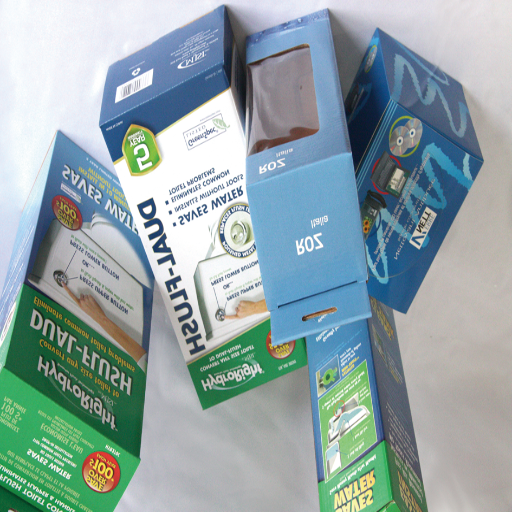
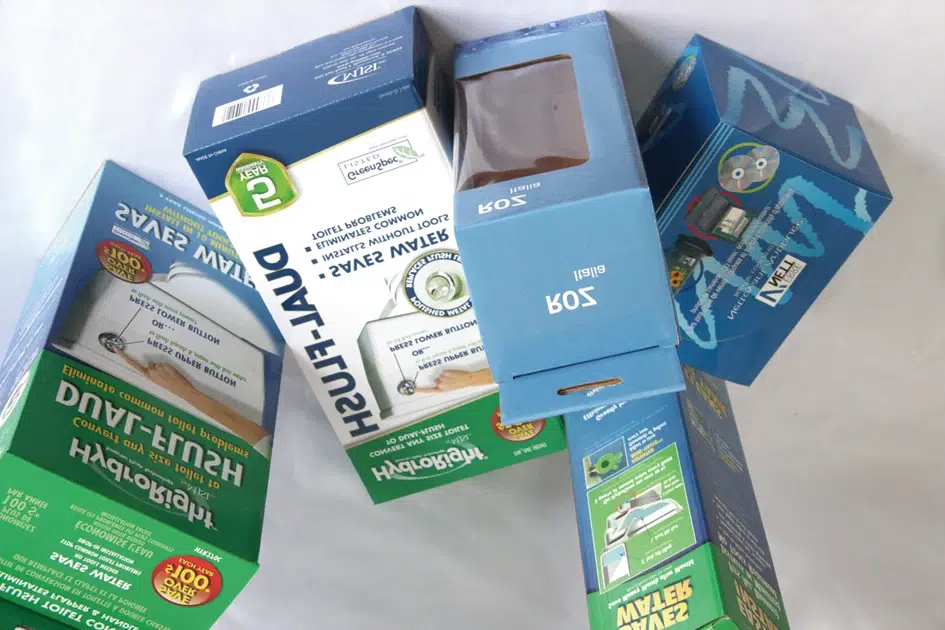
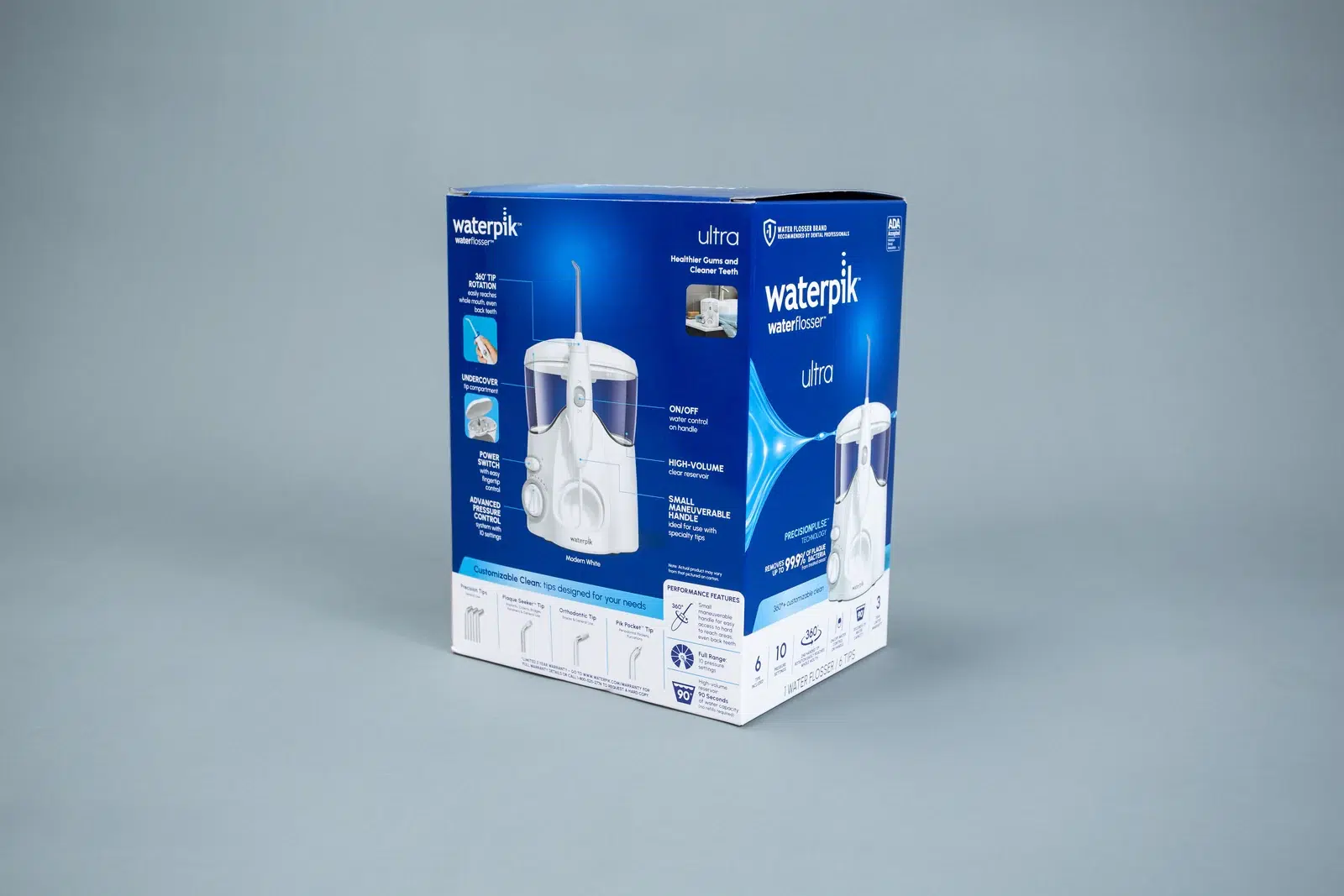
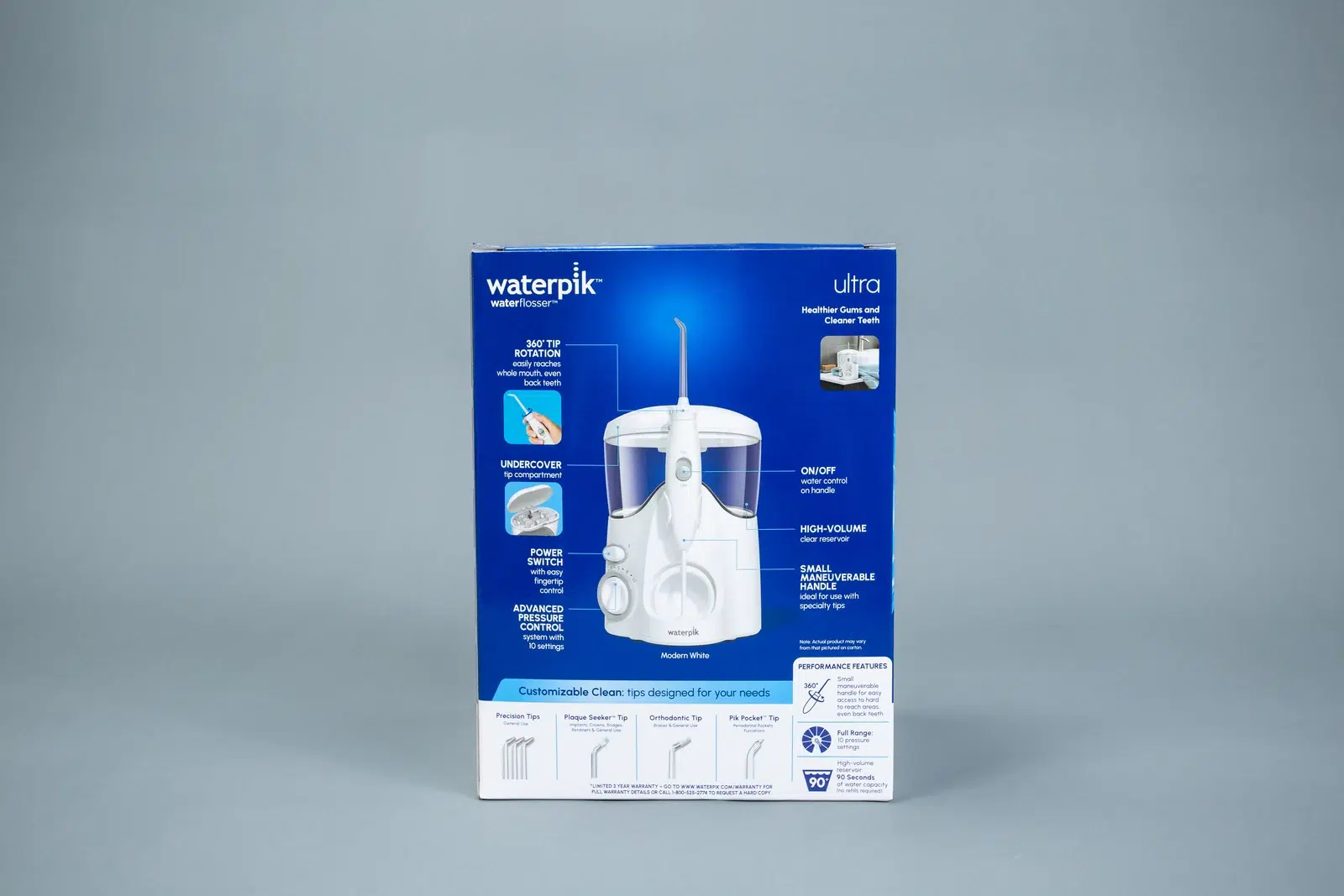
Large-format personal-care device carton with offset graphics and dense product information.
Custom cosmetic boxes with window patching, tuck closures, and a product-view face.
Multiple folding carton design formats, including windowed and handled product boxes.

Huandao's own facility at No. 587 Tongfu Road, Tong'an District, Xiamen.
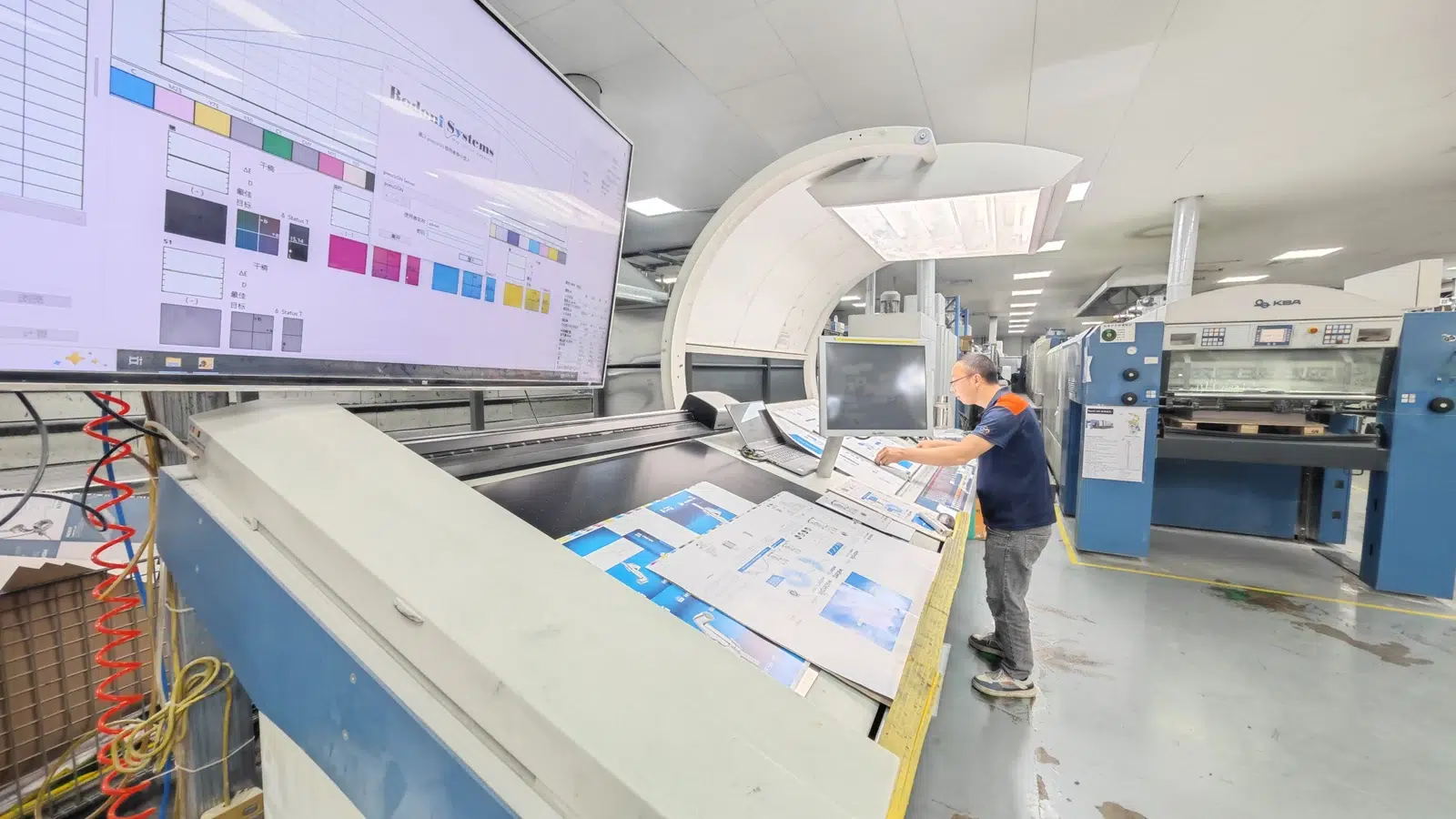
Sheetfed offset production with press-side color monitoring.
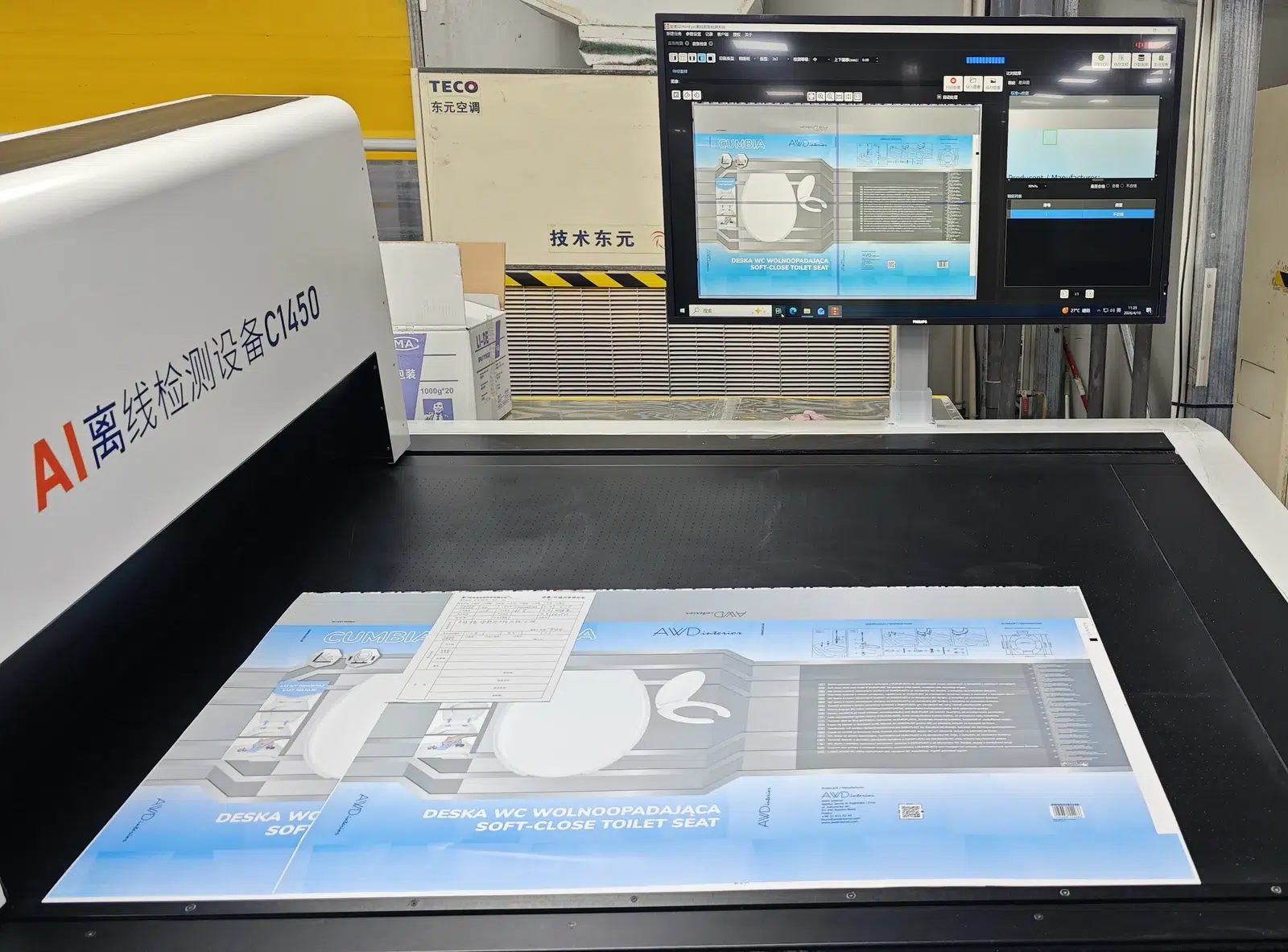
Printed-sheet inspection within the plant's quality-control workflow.
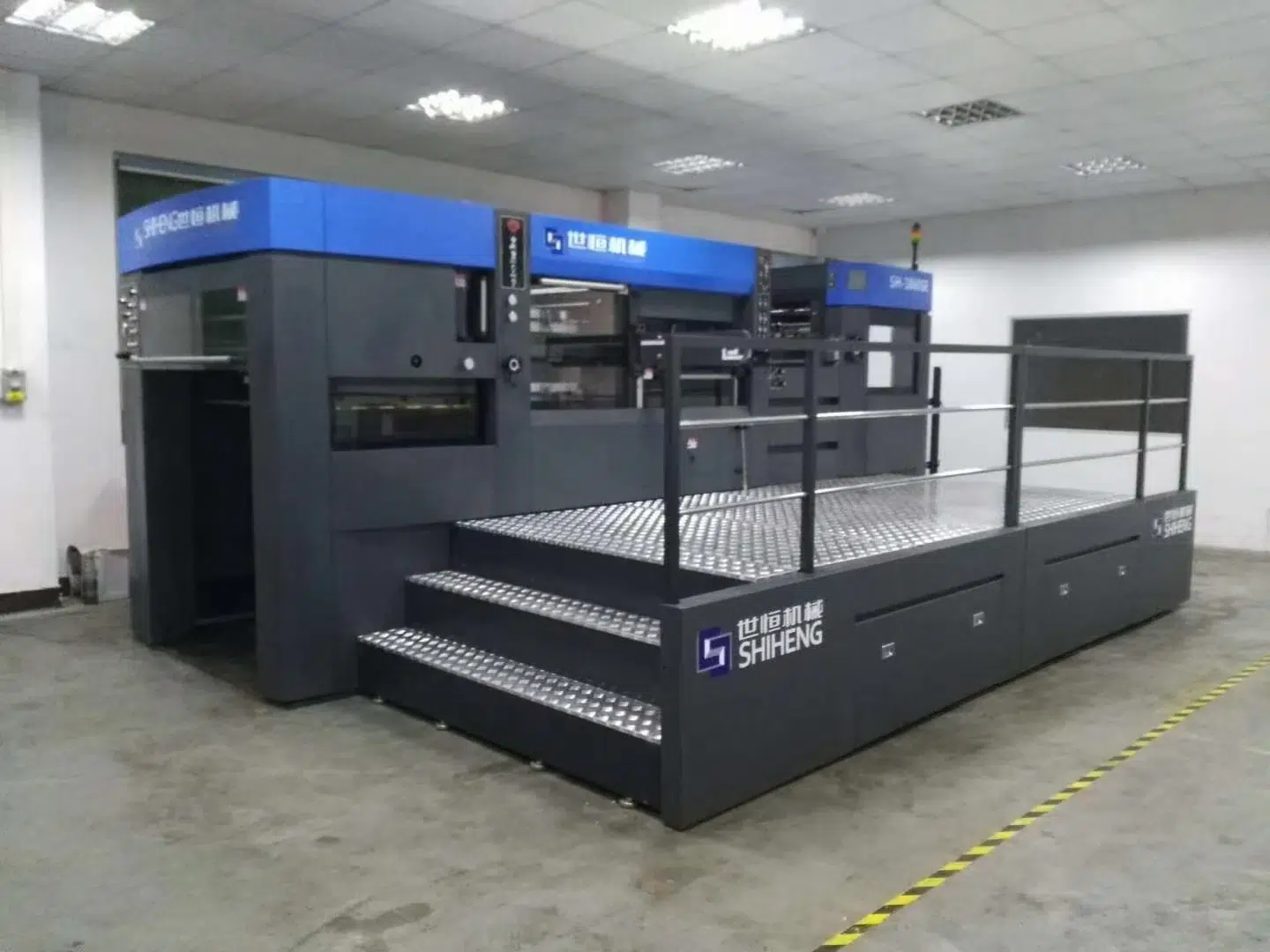
In-house die-cutting supports the approved carton structure and score pattern.
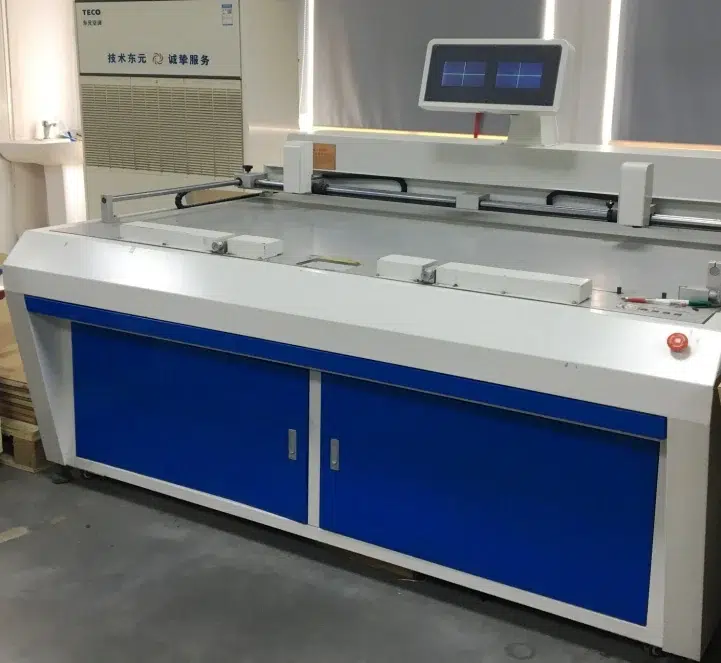
Sample-room cutting used to turn a dieline into a physical structural check.
Choose a Different Format When the Product Demands It
Folding carton boxes are cost-effective when a printable, foldable paperboard shell can provide the required presentation and work with an insert or outer case. The product load, reuse cycle, shipping role, or opening experience can fall outside that job. Custom cosmetic packaging boxes should not be forced into structures that cannot do the required work.
Situation
Heavy premium set intended for repeated storage
Direct parcel shipment without an outer case
Large counter presentation with repeated access
Unsettled bottle, cap, or regulatory copy
Why a folding carton works against the brief
Repeated opening and high load may exceed the desired panel feel
A retail carton is not automatically a shipping container
A closed tuck carton hides the assortment
Tooling and artwork will change when the primary container changes
Better route
Quote a rigid gift box with a fitted insert
Pair the retail carton with a corrugated mailer or shipper
Use a purpose-built display box
Freeze the container and approved copy before the production dieline
Cosmetic Folding Carton Engineering & Planning Tools
Cosmetic Carton RFQ Brief Builder
Build a copy-ready brief for a custom cosmetic folding carton.
Final structure, price, and lead time remain subject to drawing review and the written quotation.
Carton Fit Clearance Checker
Subtract the primary-container dimensions from the proposed carton interior.
Positive clearance is only a screening result; it does not replace a paper fitment review or a physical blank sample.
Cosmetic Carton Finish Compatibility Planner
Screen a proposed finish stack for interactions that deserve a physical sample.
The output is a planning prompt, not a press, adhesion, rub, fold, or acceptance guarantee.
Cosmetic Folding Carton FAQs
Send the bottle, jar, tube, or device dimensions and weight; quantity by size and style; preferred board; artwork status; finish list; fitment need; filling method; destination; and required arrival date.
A photo or sample of the primary container also helps us check packaging needs before the dieline is fixed.
The standard range is 300–400 gsm coated folding boxboard, with specialty and textured paper available for premium programs.
Board selection follows product weight, finished size, structure, score, print coverage, and finish stack rather than appearance alone.
The blank structural sample and digital printed sample are free, and the buyer pays courier.
A press-run finished sample carries a fee because it represents the production substrate, offset print, and selected finish more closely.
Paperboard packaging can support a recyclable design, but the claim depends on the selected laminate, coating, window, adhesive, ink, and local collection route.
We can compare packaging options and reduce unnecessary mixed materials before the final specification is approved.
An in-house laboratory can issue job-specific ECT or burst, ink-rub, and basis-weight reports for the customer's own production run.
The report identifies its test object; separate loaded-package validation is scoped when the distribution question goes beyond the material or printed surface.
Standard MOQ is 1,000 pieces per size and style; smaller runs are reviewed case by case.
“Wholesale” quantity should still be separated by artwork and SKU because each custom cosmetic box setup has its own print, die, and finishing inputs.
We print CMYK plus up to 2 Pantone spot colors on a 6-color sheetfed offset platform with an in-line coater.
Production color is checked with an X-Rite color management system against the signed contract proof and the agreed Delta E tolerance.
No. A digital proof checks artwork and general appearance; the physical blank sample checks product fit, closure, assembly, and movement.
Approve the structural sample before artwork and tooling are treated as final.
Freight is scoped to the destination and shipment configuration rather than hidden behind a free shipping claim.
Cartons, fitments, inserts, and outer cases can share freight in one consolidated shipment when that scope appears in the written quotation.
Yes. Huandao is the color-printing plant of Huan Yin Packaging Group, so the printed folding carton, paper fitment, protective insert, and outer shipping case can be planned together and consolidated when included in the quote.
Yes. The page covers custom makeup cartons, skincare cartons, fragrance packaging, oral-care boxes, and packaging for personal-care devices.
Product form and route-to-market decide the structure, not the category label alone.