Get in Touch with Xiamen Huandao Packaging Technology Co., Ltd.

PACKAGING
Huandao Packaging
Custom Ecommerce Packaging for Your Shipping Workflow
Custom ecommerce packaging requires that the box fit the order, the product be protected in handling, and it work on the packing bench.
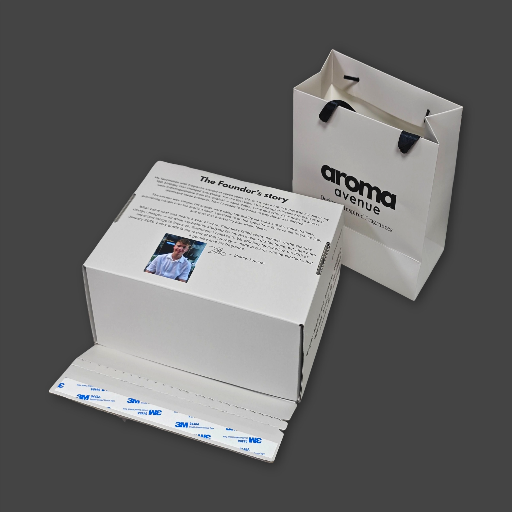
Along with that we produce printed mailer boxes and paper inserts to complete the pack out. Start with product dimensions, order quantities and artwork. Next, consider the closure, the surface printing, and the construction of the structure.
Get a dieline and quote
Quote in 24–48 hours.
Project Quote Essentials
1,000 pieces
Standard MOQ is 1,000 pieces per size and style. Smaller runs are quoted case by case.
In-house printing
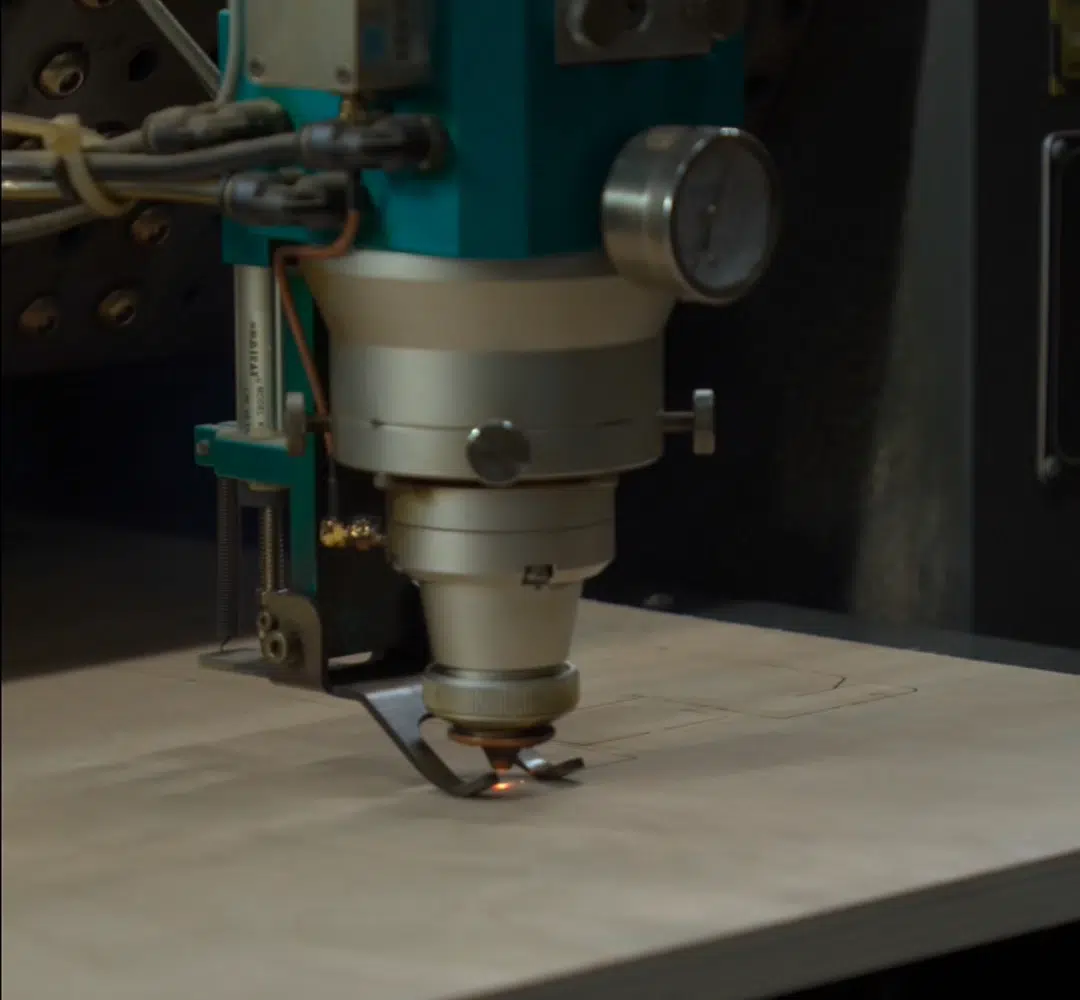
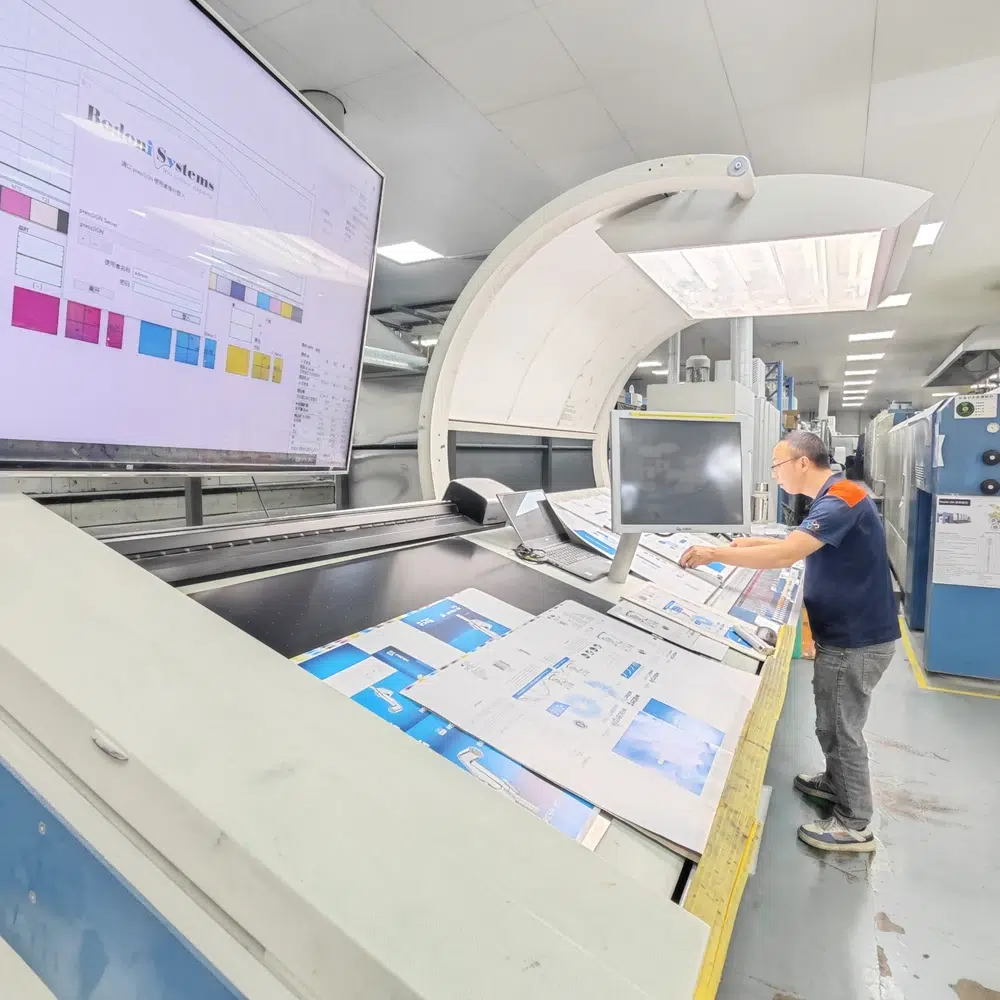
We run pre-press, sheetfed offset printing, UV coating, lamination, die-cutting and folder-gluing in-house.
Paper components
We coordinate printed boxes, paper inserts and outer shipping cartons for the same product. The packaging solution covers the route of shipment.
Ecommerce Packaging Formats We Make
Choosing only the appearance of a carton may result in a loose or awkwardly closed package and even a second, unbudgeted for carton. We agree on a dieline based on the product and determine the printing and protection needs.
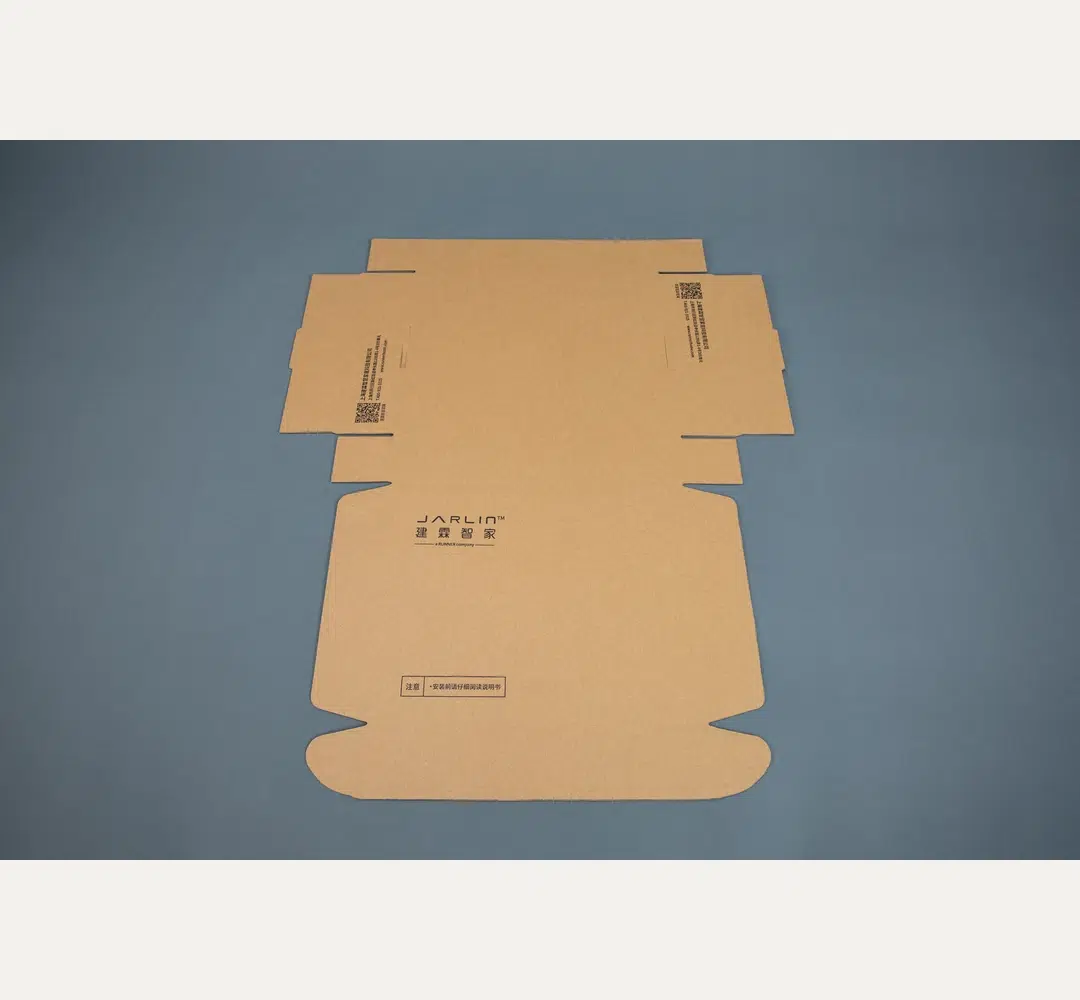
Corrugated mailer boxes
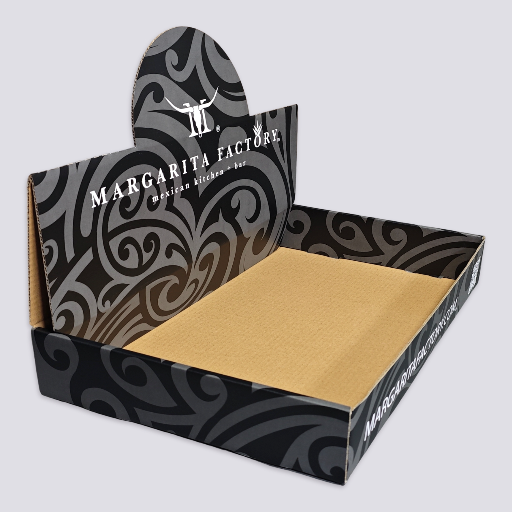
For direct to consumer orders with a shaped opening and a branded interior. Check the front, side walls and a packed lid for interference.
We die-cut custom mailer structures.Explore custom printed mailer boxes
Printed corrugated boxes
For a larger product combination and an outer transport layer. Select the structure against the actual contents and the route of shipment.
We supply litho-laminated printed corrugated boxes.Review printed corrugated boxes
Folding cartons with an outer
For individually packed products that are combined in a shared parcel. The retail carton identifies the product, and the outer and insert manage shipping.
We make custom folding cartons.Compare folding carton formats
Rigid gift presentation
When order fulfillment is customer experience, add suitable shipping protection rather than treating the gift box as a parcel carton.
We make rigid gift boxes.View collapsible rigid boxes
Match the substrate to the job //
Board and Paper Options for Your Pack-Out
Corrugated fiberboard and paperboard serve different structural jobs. Flute names and paper weight alone cannot settle a packaging design. Product support, box geometry, moisture and the complete packed assembly affect performance. Start with the required job, then approve a sample with the chosen materials. ISTA guidance frames the product and package as a complete system.
Kraft-faced corrugated
Use
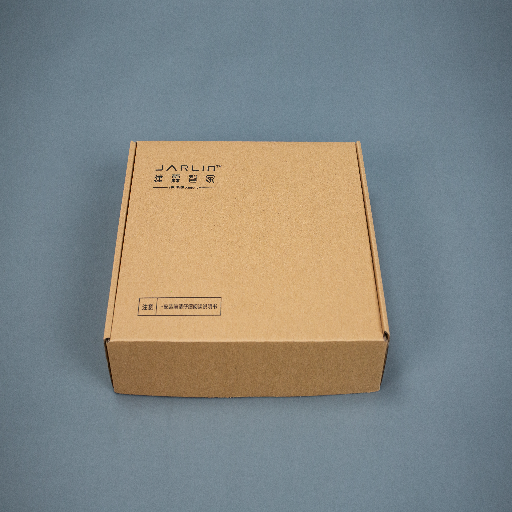
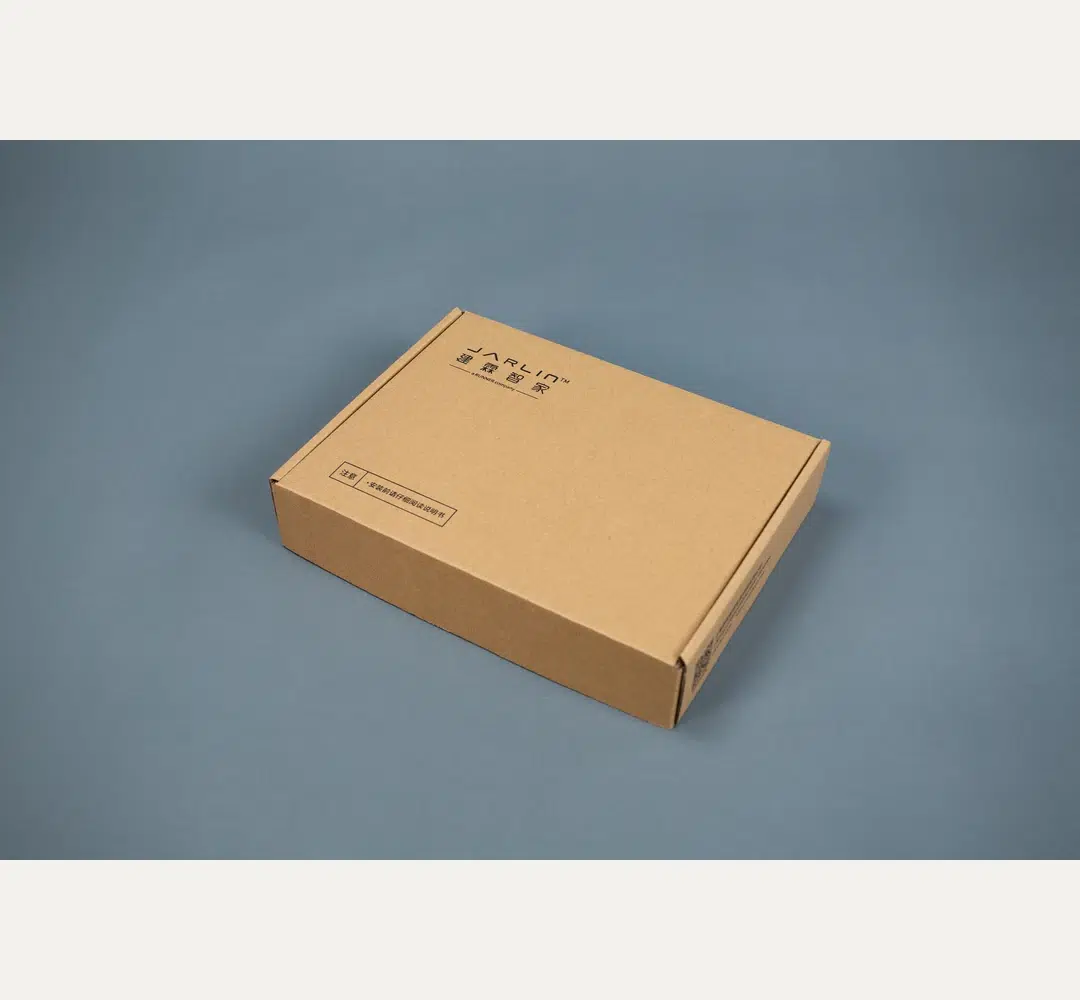
A natural brown mailer.
Print
Restrained line art and solid colors.
Strength
Depends on the specified board and structure.
Trade-off
Brown paper changes the appearance of transparent inks.
Approve
Print on the intended kraft surface.
White-faced corrugated
Use
Brighter graphics on a parcel format.
Print
Agree direct print or a laminated printed sheet.
Strength
Specify liner, medium and construction together.
Trade-off
Exposed edges remain visible.
Approve
Edge appearance and closed-box fit.
Litho-laminated board
Use
Detailed custom printed graphics.
Print
Offset-printed facing bonded to corrugated board.
Strength
Evaluate the finished bonded construction.
Trade-off
Added processing and moisture balance.
Approve
Flatness, adhesion and crease behavior.
E-flute construction
Use
Compact presentation-led mailers.
Print
Choose the facing paper for your artwork.
Supply
We produce E-flute board in-house.
Trade-off
Flute selection is not a load rating.
Approve
Product fit and the intended route.
B-flute construction
Use
A corrugated box with a different wall profile.
Print
Confirm the surface and finishing route.
Supply
We produce B-flute board in-house.
Trade-off
Wall thickness changes inside clearance.
Approve
Internal fit after assembly.
Other flute profiles
Use
Projects needing another construction.
Print
Selected to suit the sourced board.
Supply
Other profiles are available using sourced board.
Trade-off
Confirm material availability in the quote.
Approve
The exact board combination, not its nickname.
Paper inserts and pads
Use
Separate, locate or support products.
Print
Plain or coordinated with the box.
Supply
We make die-cut paper inserts.
Trade-off
A pad cannot replace an unsuitable outer.
Approve
Product restraint and insertion effort.
Print and Finish Choices with Practical Trade-Offs
Custom packaging should carry your brand and logo without creating avoidable rubbing, cracked creases or difficult closure. Our pre-press evaluates artwork and process sequence on the chosen material.
| Option | Best discussion point | Approval check |
|---|---|---|
| Offset CMYK | Detailed images on a suitable printed facing | Content, separations and substrate-specific color reference |
| Pantone spot colors | A brand solid that needs its own color target | Agreed ink drawdown or signed production reference |
| Kraft flexographic print | Line work, marks and controlled color blocks | Legibility and color appearance on brown board |
| Aqueous coating | Surface protection with a lighter finish | Rub behavior and the appearance of printed solids |
| UV / spot UV | Gloss or selective contrast | Coating location, compatibility and fold position |
| Gloss or matte lamination | Surface feel and handling resistance | Adhesion, scuff visibility and recycling implications |
| Foil and embossing | A selected mark or tactile detail | Tooling, registration and distance from creases |
Dimensions that change the decision
Artwork Setup and the Parcel Cube Breakpoint
Size and weight reduction begin with a measured, sealed package. Inside box dimensions support product fit; outside packed dimensions support carrier review. Huandao evaluates these separately, and the sealed external envelope often includes the board, closure and bulge. Mixing these measurements gives a false impression of a better box price.
| Artwork parameter | Preparation value | Scope |
|---|---|---|
| Bitmap resolution | At least 300 dpi at finished size | Offset artwork; review fine detail in pre-press |
| Bleed | 3 mm; 5 mm for litho-laminated corrugated | Extend artwork beyond the cut line |
| Safety area | 3 mm; 5 mm for litho-laminated corrugated | Keep critical content away from cut and fold risk |
| Positive offset text | At least 5 pt | Pre-press review still depends on the font and artwork |
| Reversed offset text | At least 7 pt | Use a sufficiently heavy font |
| Positive / reversed lines | At least 0.25 / 0.5 pt | Confirm on the actual printed surface |
| Foil fine line | About 0.3 mm | Tooling and artwork review required |
Send print-ready PDF or AI artwork with fonts outlined or embedded. We check bleed, safety areas and separate cut/finish layers in pre-press. For mixed-unit drawings, 1 inch equals exactly 25.4 mm; keep the unit next to each measurement (NIST). These are file-preparation values, not a promise of a universal finished-box dimensional tolerance.
Parcel Cube Breakpoint
A smaller box lowers billable weight only when it crosses the applicable dimensional-weight boundary and actual packed weight does not control the result. This reduction is not a substitute for checking account rules.
Worked UPS US example:
assume a 4 lb packed parcel, Daily rates with divisor 139, and whole-inch dimensions. A 12 × 10 × 8 in parcel gives ceil(960 ÷ 139) = 7 lb dimensional weight; a 10 × 8 × 6 in parcel gives ceil(480 ÷ 139) = 4 lb. Billable weights are 7 lb and 4 lb respectively under these assumptions. This is arithmetic, not a customer shipping result or a dollar-saving forecast.
UPS describes rounding each dimension up to a whole inch and lists divisor 166 for US Retail rates. Other carriers or accounts may use different rules. In an inside-fit calculation, dimensions are measured before packing. For a carrier calculation, measurement takes place after packing and closing. Verify against the rules on the account: depending on the rules, two dimensions rounding to the same value may result in no billing changes. Check the UPS rules at here.
Comparable quotes
Quantity, Sample and Production Planning
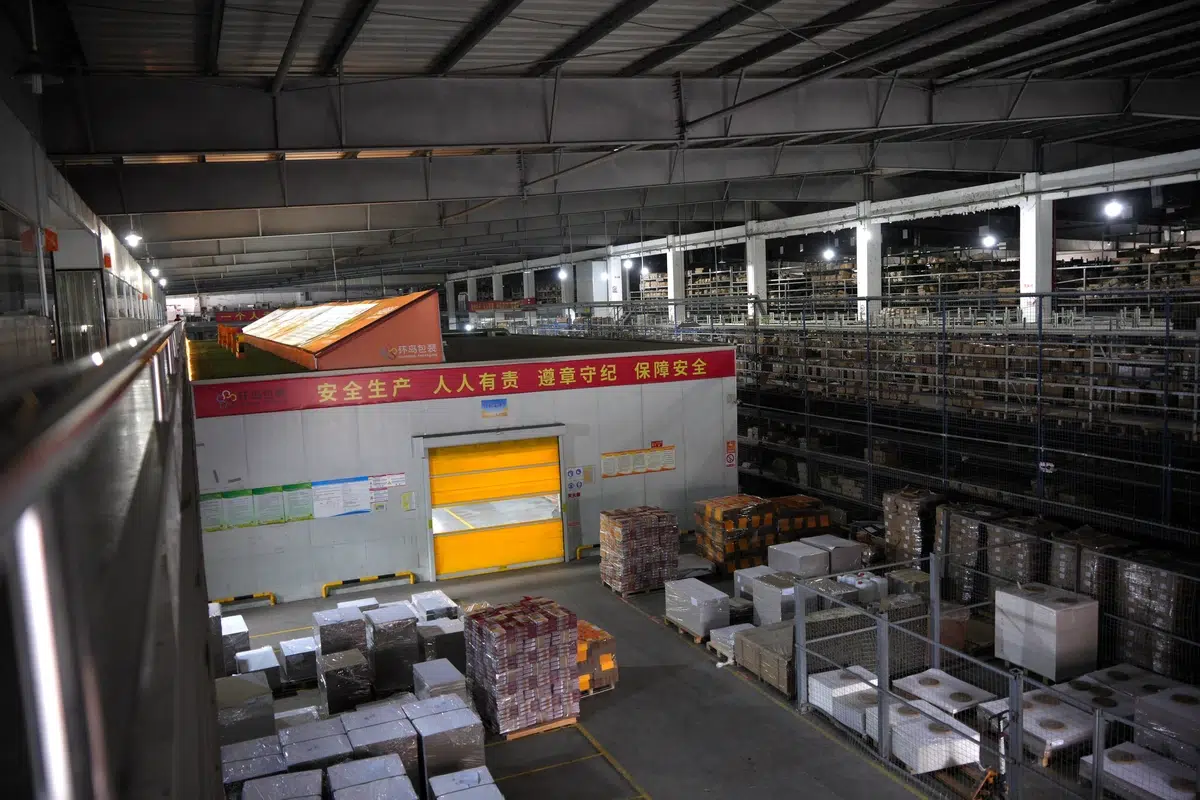
Compare the complete packaging job rather than the box unit price alone. Inventory space and the corrugated box design are part of the comparison. Offset plates, machine setup and cutting dies spread differently across quantities; inserts, finishing, outer cartons and shipment volume can change the purchased configuration.
Quantity by size and style
Identify each box dimension and artwork separately. A combined annual forecast helps planning, but it does not take the place of the quoted quantity for each production configuration.
Production schedule
Production within 15 days (typical, confirmed per order at quotation).
Confirm the approval date, material availability, finish sequence, and dispatch requirement, before allocating the launch schedule.
Freight basis
EXW, FOB Xiamen, CIF and DDP. Freight-inclusive quotes are based on estimated shipping volume, confirmed once packed.
Separate the factory dispatch from the arrival. The mode of freight, destination, and the packed carton count are part of the comparison.
Get ecommerce packaging suppliers to quote the same construction of the board, artwork, insert, closure, quantity, and freight to compare prices. An omitted component can erase an apparent price advantage; no generic percentage predicts your landed cost.
From brief to dispatch
A Sample-to-Production Workflow for E-Commerce
Pack-out Trial Scorecard
Packing smaller orders can reveal hidden processes. Time erecting, inserting, loading, closing, labeling and scanning with the same operator and product mix. Record setup and waiting time separately rather than calling every second a repeatable labor saving.
Compare two approved constructions on observed task seconds, insertion errors, closure interference and storage footprint. This scorecard is used to select the sample that most closely matches desired construction for production. It is not a benchmark for industry packing speed. We review die cut structure and folding behavior against your comments.
01
Send the order profile
Provide dimensions and weight of product, drawings and artwork files. Mention order combinations, shipping route, and packing method. State any return requirement.
02
Agree the dieline
We develop structural dielines and provide samples for approval. Review product arrangement, crease positions and clearance before locking graphics.
03
Choose the sample route
Free structural sample and digitally printed sample; special finishes excluded, courier paid by buyer. Press sample / press proof in about 8 days; sample charged. We routinely sample for customer review. Please confirm by email or photos.
04
Sign off and produce
We scan process steps into MES kanban with ERP and scheduling support. Production follows the approved structure, print reference and confirmed purchase specification.
Production, not a trading-office promise
Printed Packaging Made at Huandao
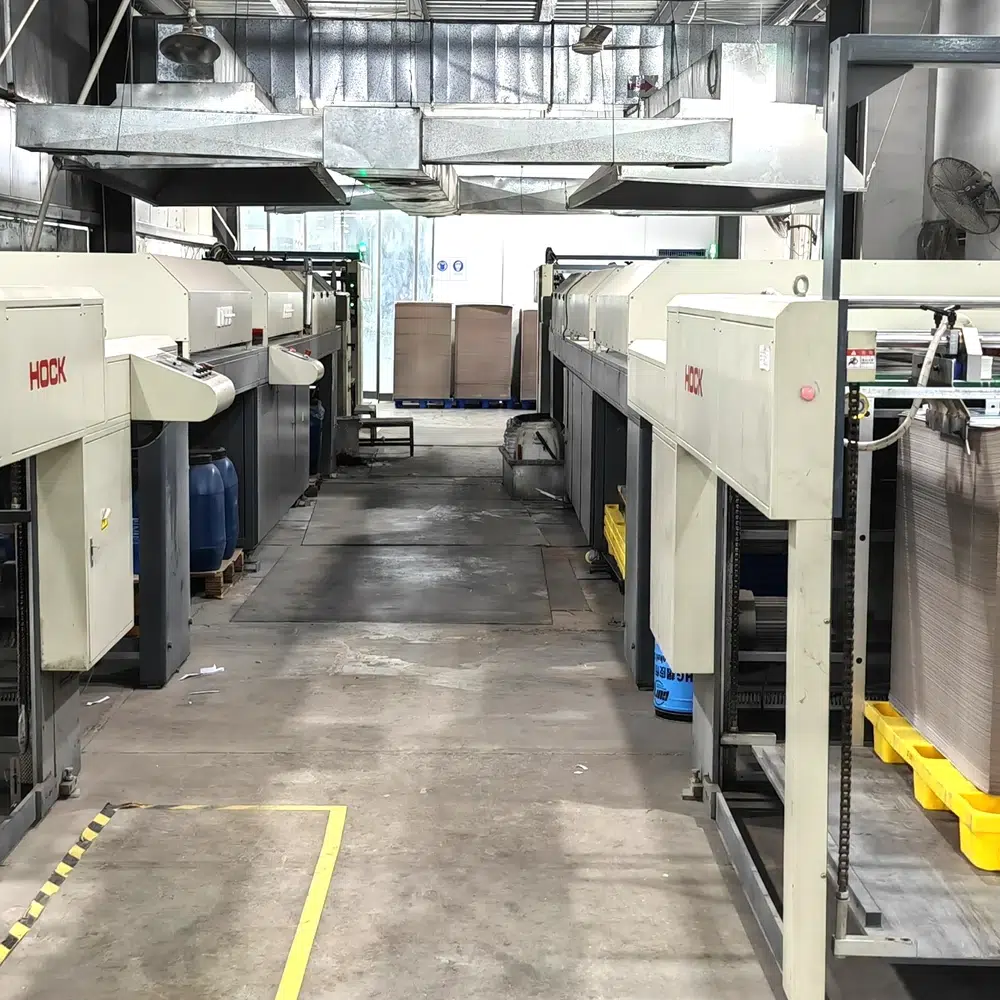
Huandao makes printed paper packaging in Xiamen, China. Our in-house pre-press, offset printing and converting keep the dieline, printed sheet and finished box in the same production workflow.
01
E-flute and B-flute corrugated board are produced in house. Other profiles can be sourced. Confirm the construction in your approved order record.
02
ECT/Burst testing is provided on confirmed requirements. Indicate the test scope in your quoted request so the document aligns with the construction you approved.
03
Build your production handoff
Flat-to-assembled review: folds, tabs and printable panels must work together.
Configure Review
IN-HOUSE
PRODUCTION
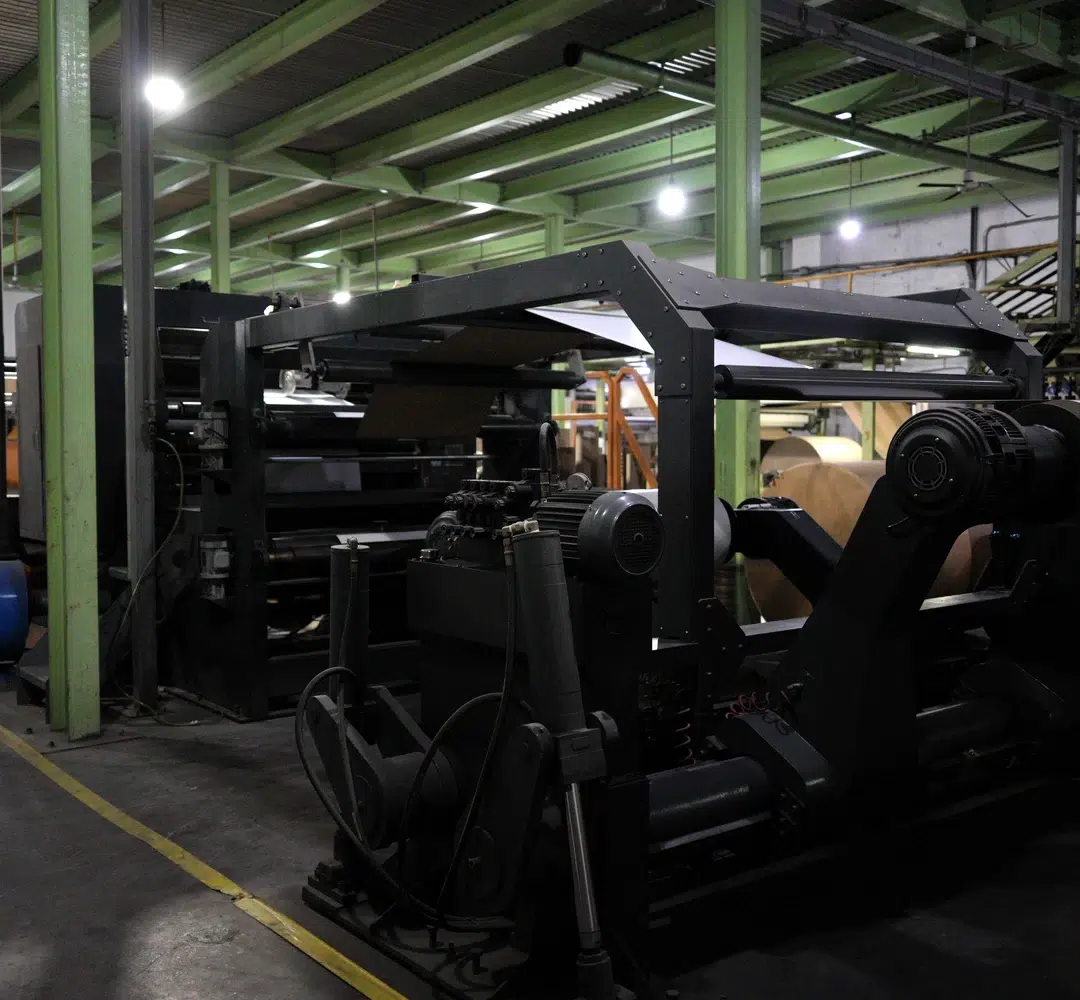
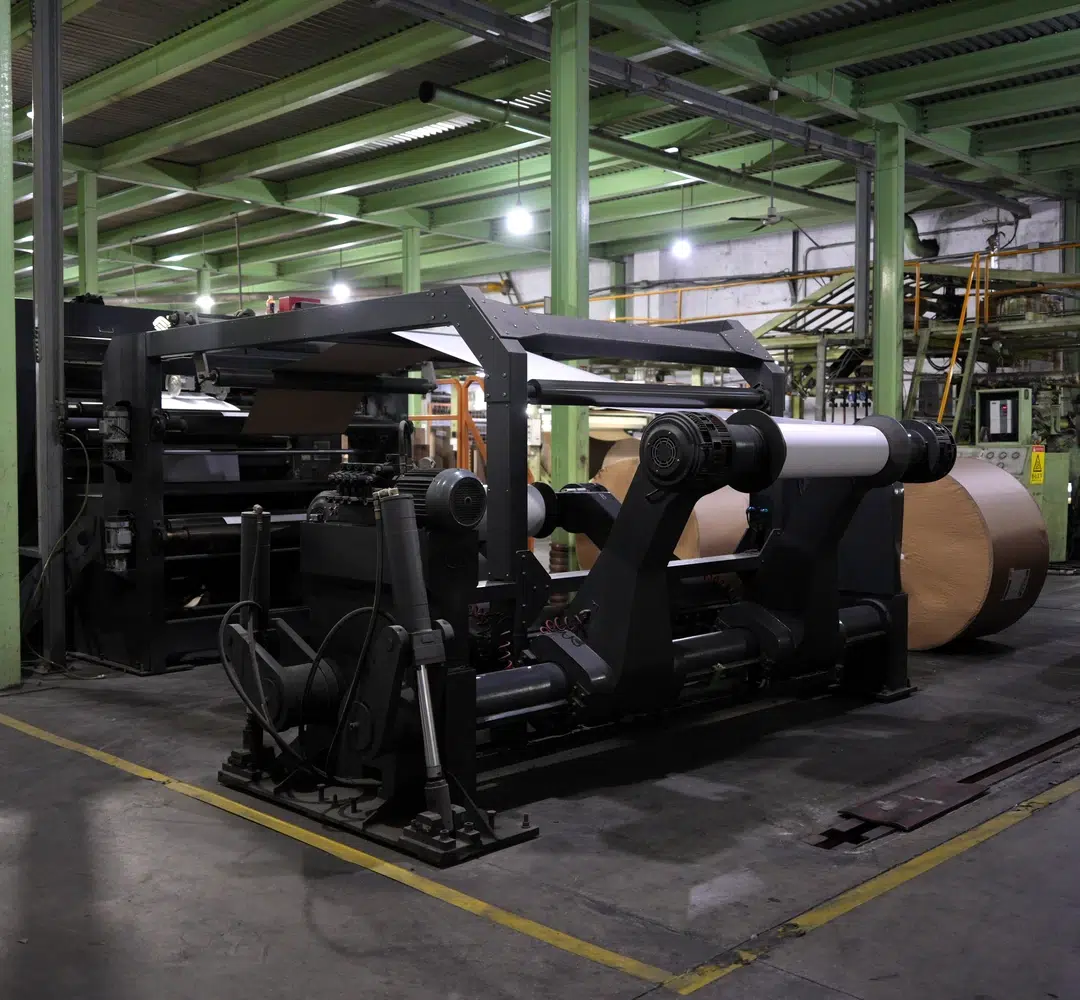
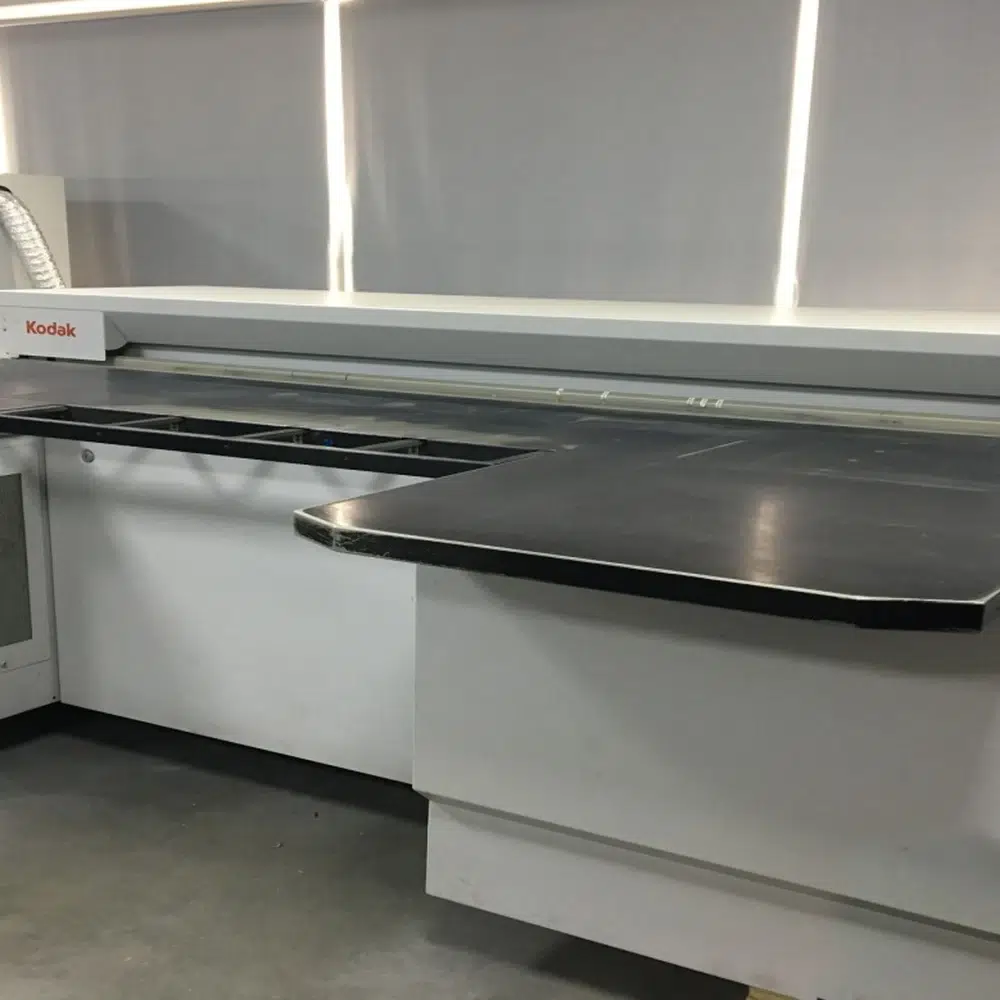
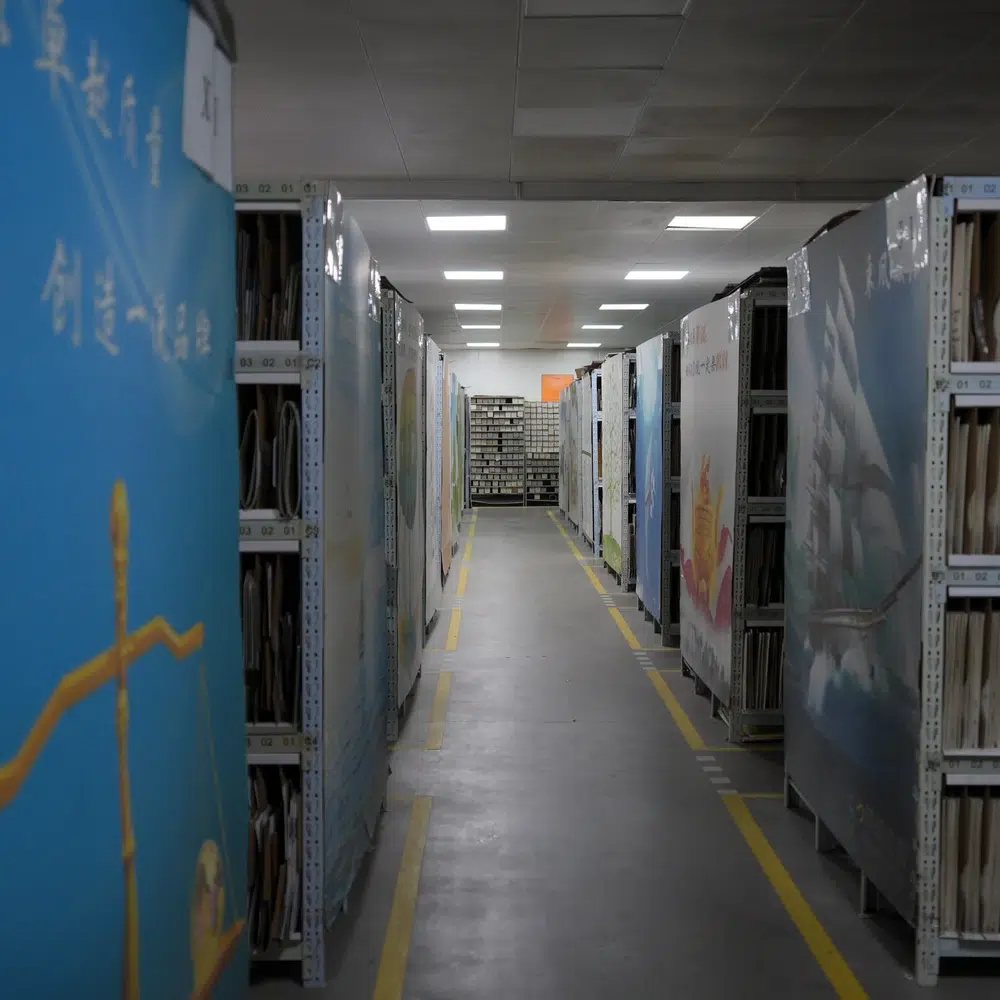
Huandao printing workshop, photographed on site.
Fulfillment & Pack-Out Evaluation Tools
Evaluation Tool 01
Order Mix Parcel Review
Compare up to three order profiles. Enter sealed outer dimensions in inches and actual packed weight in pounds. This worksheet compares billable weight, not freight charges.
Evaluation Tool 02
Pack-Out Task Timer
Time the same actions for two sample configurations: erect, insert, load, close, label and scan. Enter average observed seconds per order. Include only actions you timed.
Evaluation Tool 03
Ecommerce Pack-out Brief
Create a copyable checklist for one size and style. No data is sent or saved. Use a product reference rather than personal or confidential information.
FAQ
Only after comparing product combinations, storage, restraint, and sealed outer dimensions. Test the largest and the smallest orders.
Compare the intended unboxing experience with additional outer carton, storage and assembly requirements. A printed corrugated mailer may fit the current fulfillment process better; the right choice depends on the complete configuration.
Yes. Describe the quantity, size and style of each artwork in the request. The quote follows the production configuration and fixed setup costs; an even arithmetic split is not an automatic approval of each version’s minimum order. Include the current configuration, planned seasonal replacements and which part of the structure stays the same. Comparing a single version quote to a multi-version launch plan should be avoided.
In the artwork brief, specify both sides. For each face, review the papers, sequence and colors used. For each side, do not assume that an outside quote includes the other.
State whether the product requires the customer to reopen, inspect, repack or return the product. The closure and paper insert need to be reviewed through that process; opening the package for the first time does not prove a return experience.
A different substrate requires an approved physical color reference and tolerance.
Check internal clearance, lid pressure and insert support first. Stretching artwork over a new configuration may place critical text on a fold or cut line. The new configuration should be submitted prior to approving the new artwork.
Provide product dimensions and weight. Give internal fit requirements. Describe the proposed shipping outer size. Indicate quantities by configuration. Provide finish and artwork. Specify destination and freight basis. Include any failure photos and/or packing constraints you want assessed.
Confirm complete construction and the destination’s collection rules before making this statement. Paper sourcing and a coating selection, as well as local acceptance, are separate questions. Be specific about consumer disposal instructions based on the pack and market.
SYSTEMATIC PROCESS
Start with the pack-out
Send Your Dimensions, Quantity and Artwork
Tell us what is inside, how it ships, and what your team needs to pack it. We will review the box, paper inserts, and print requirements as a single package.