Get in Touch with Xiamen Huandao Packaging Technology Co., Ltd.

Straight tuck end and reverse tuck end cartons
Tuck End Boxes from an In-House Folding Carton Manufacturer
Huandao makes custom tuck end boxes around the product, artwork and packing method, with straight tuck end and reverse tuck end structures reviewed in one project. Pre-press, sheetfed offset printing, UV coating, lamination, die-cutting and folder-gluing run in our Xiamen plant.
1,000 units per size and style
FBB 250–400 gsm
In-house print and converting
Job-specific test reports
Send internal dimensions, packed weight, quantity per artwork and method of packing. We will review the structure prior to quoting.
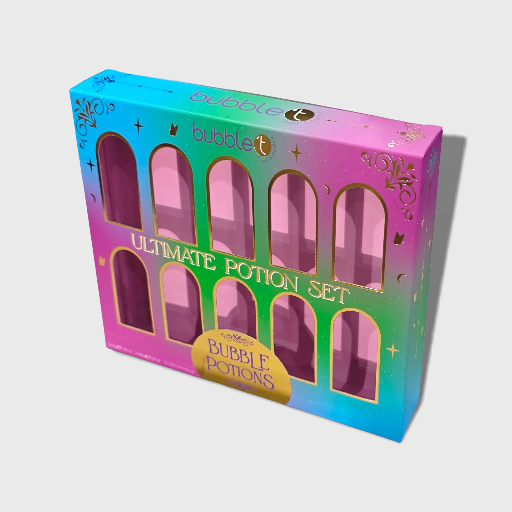
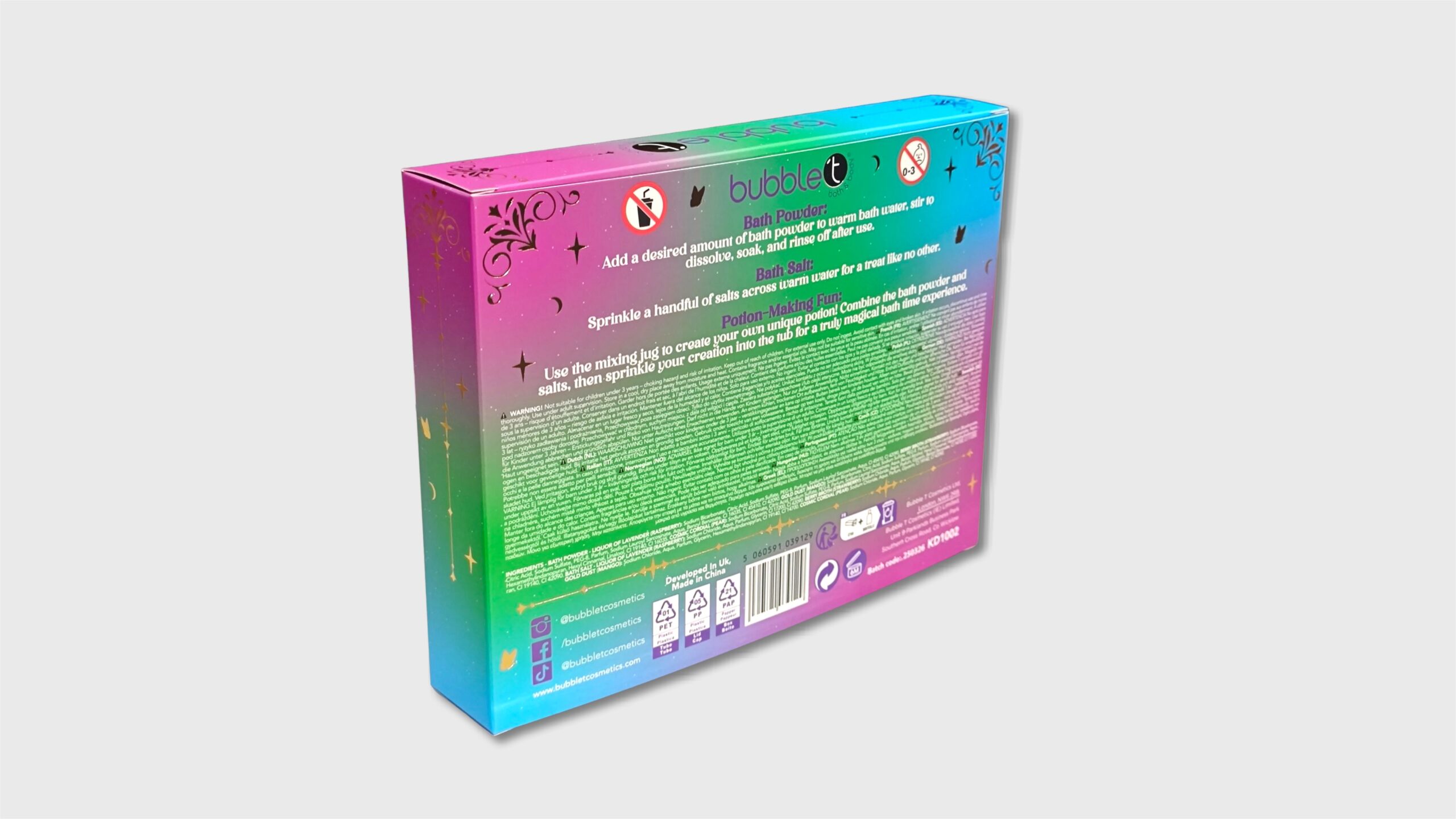
Custom printed tuck end box with die-cut windows and foil details
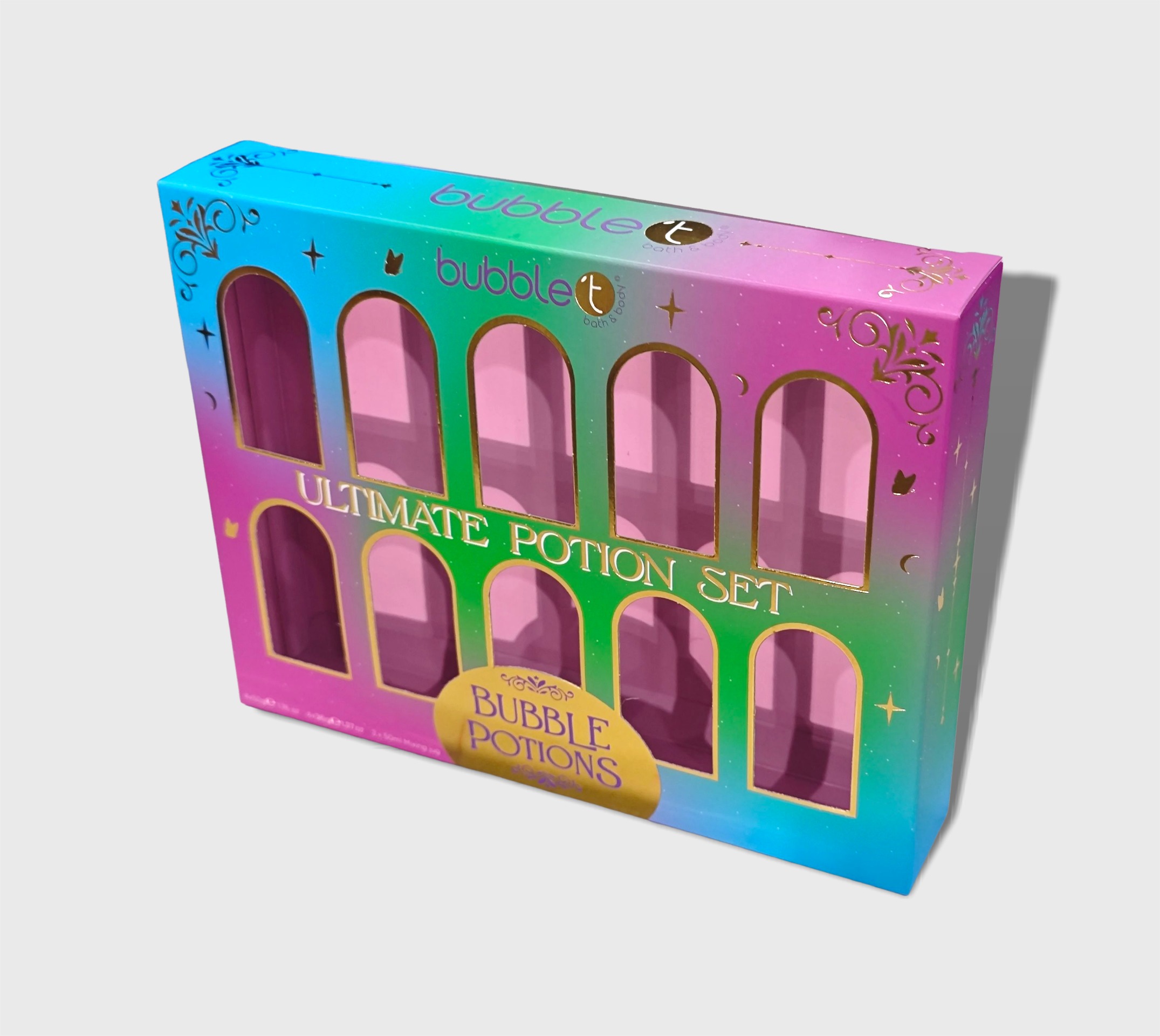
Real production sample showing window patching, foil detail and a printed retail carton structure.
Custom Tuck End Box Production at a Glance
Board grammage on this page uses ISO 536:2019 as the named reference method.
01
Common finished size
40 × 40 × 80 mm to 300 × 200 × 120 mm
02
Paperboard
FBB 250–400 gsm; kraft board 250–350 gsm
03
Print platform
CMYK plus up to 2 Pantone colours; 6-colour press with in-line coater
04
Standard minimum
1,000 units per size and style; smaller runs reviewed case by case
05
Sample routes
Blank structural, digitally printed or press-run finished sample
06
Quote response
Response timing is confirmed after the project scope is reviewed
Send your packed-product details to turn these published ranges into a specific size, board, sample and production review.
Straight and Reverse Tuck End Box Capabilities
Both structures arrive flat, use a glued side seam and close with tuck flaps. Once the loading direction, front-panel priority and glue seam are determined, straight tuck end and reverse tuck end boxes are not substitutes for each other; a patent description of carton-setting equipment likewise distinguishes same-side end panels from opposite-side reverse-tuck panels.
Buyer Terminology & Boundaries
Tuck box, tuck top or packaging box
Huandao uses tuck-end boxes for the family, straight tuck end boxes for the same-side format, and reverse tuck box or RTE box for the opposite-side format. A custom tuck box, custom reverse tuck box, custom reverse tuck end boxes or custom straight tuck request enters the same structural review.
Mailer box, rigid boxes or gift boxes
These boxes are designed as folding product boxes, not as a mailer. Those names describe another box style or construction family, so the packaging style must be explicit before quotation.
Retail packaging or product packaging
Tuck end boxes are ideal when the product’s packaging needs a compact structure and the top and bottom flaps suit the intended unboxing experience. The top flap, bottom flap and glue seam are checked against loading direction and product weight. Huandao treats the project as a custom packaging solution rather than generic box packaging.
Core Structural Comparison
■ Straight Tuck End
Top and bottom tuck flaps close from the same side. This method is more suitable for projects where the dieline requires continuity on a front panel, while actual sheet efficiency is calculated from the approved layout.
■ Reverse Tuck End
Top and bottom tuck flaps close from opposing sides. This method may be more space efficient for a particular dieline, while suitability for a front or back window still depends on artwork continuity.
Display and Opening Features
We evaluate features such as dust flaps, a tear strip, hang hole, thumb notch, die-cut window and window patching against the glue seam and primary artwork panels.
This stringent review process guarantees that structural modifications intended for better retail display or easier consumer opening do not compromise the integrity of the fold and the overall box strength.
Alternative Bottom Review
A standard tuck bottom is not an auto-lock bottom.
For heavier contents, repeated handling or faster pack-out, we review Snap-Lock and Auto-lock bottoms, along with the use of inserts to support the bottom of the structure, prior to release. Selecting the correct bottom architecture is critical to preventing product drops during transport and retail handling.
Common Applications Under Review
Cosmetics
Supplements
Small electronics
E-commerce
Gift sets
Retail product kits
Bottle and tube cartons
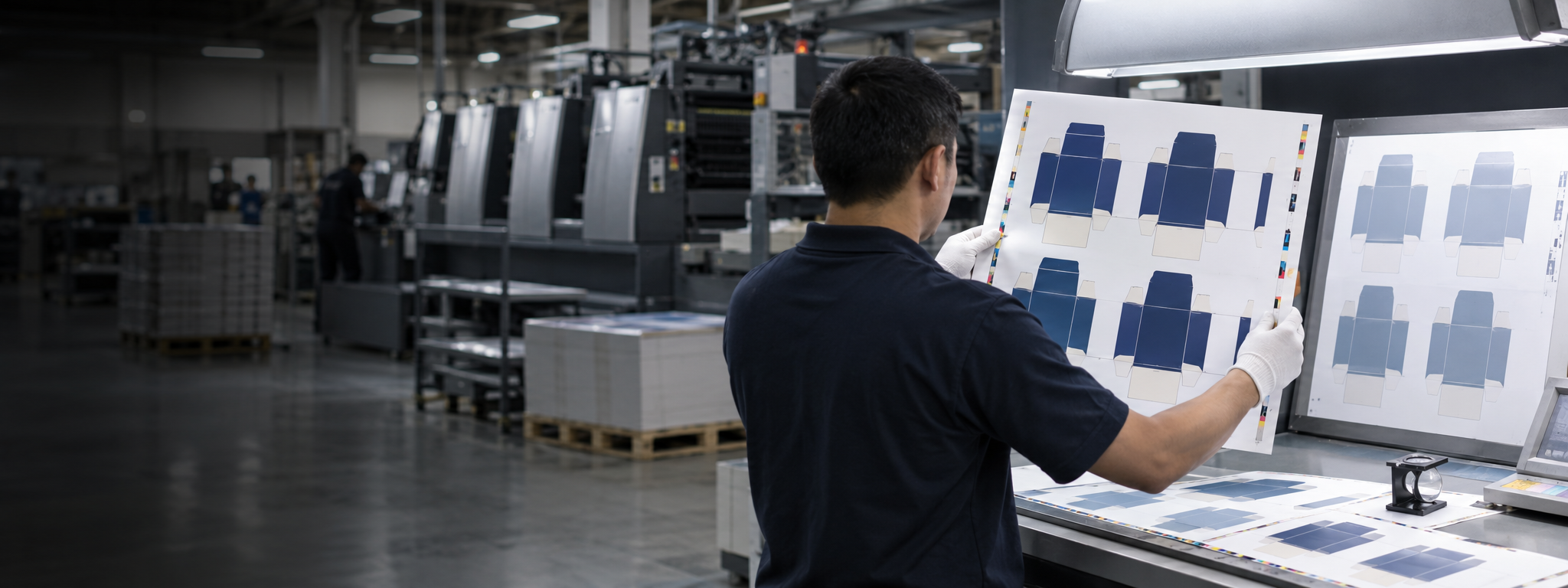
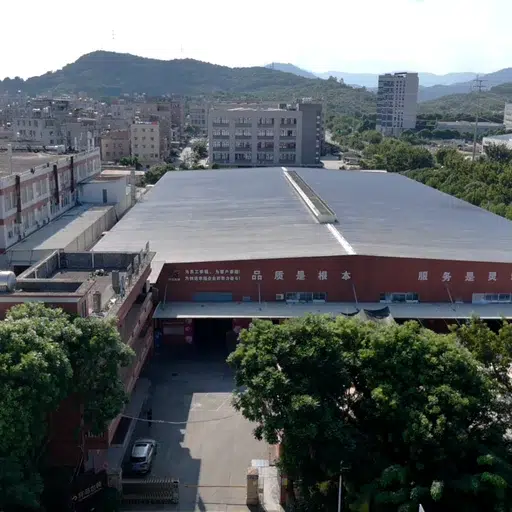
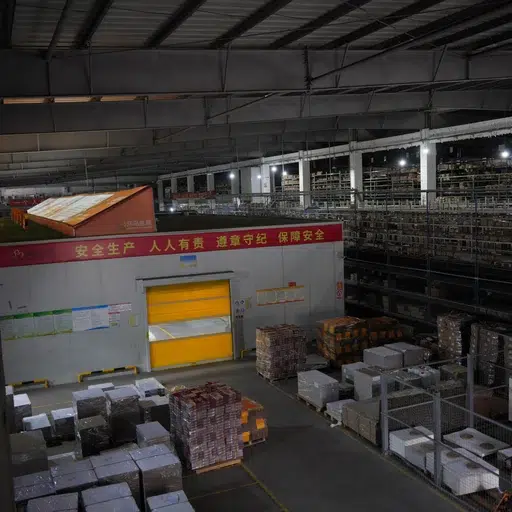
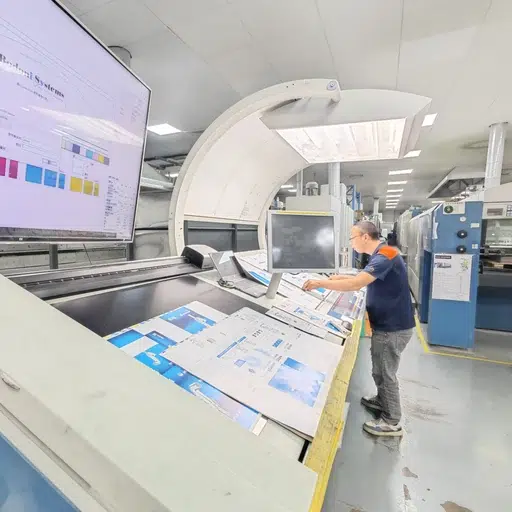
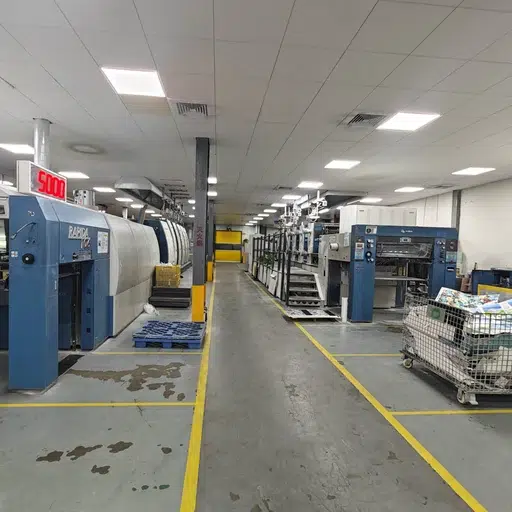
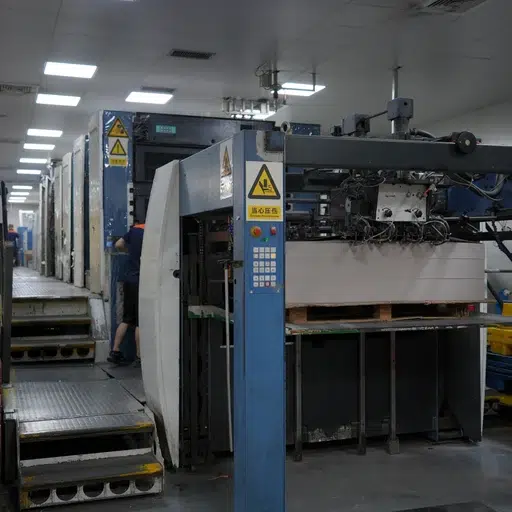
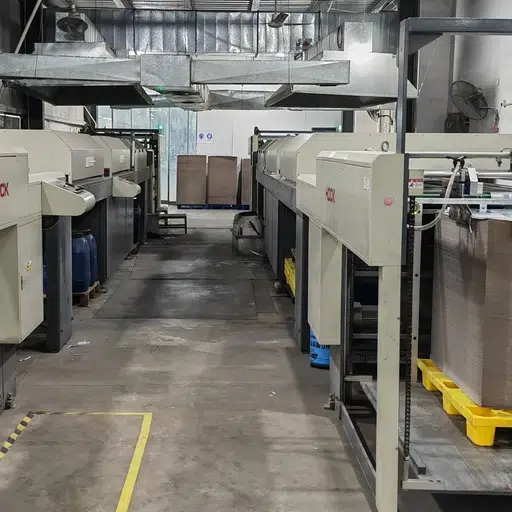
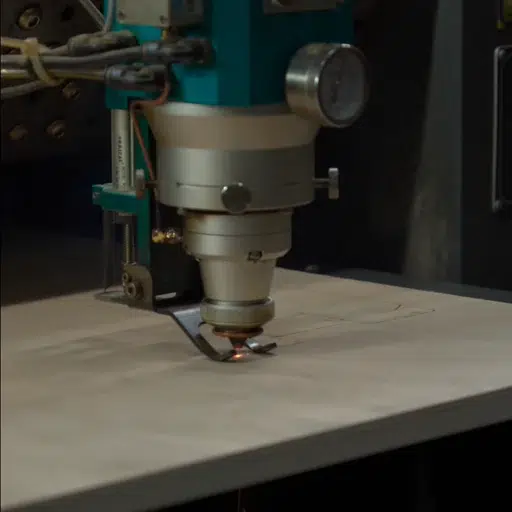
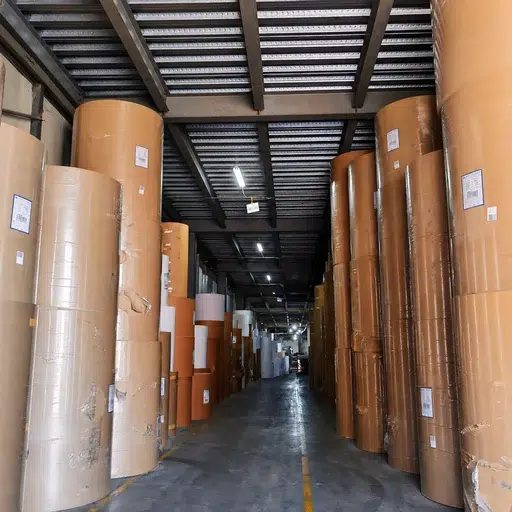
Pre-press, sheetfed offset, UV coating, lamination, die-cutting and folder-gluing all run in-house. That keeps the approved dieline, print file and converting route under one production record.
SYS.01 // READY
Paperboard and Structural Material Options
An inside dimension can still fail when board stiffness, crease response or spring-back prevents clean erection. Selecting boards by gsm alone can lead to many mistakes; ISO 536:2019 names the method for determining paper and board grammage, not a closure design rule.
PROTOCOL.02
Board selection rule
Board weight is not a proxy for closure design because factors such as packed weight, panel size, loading method and a structural sample must be considered together. Huandao provides a recommendation engineered to match those inputs; confirm against the actual product and packing route before production.
VIEWPORT ACTIVE //
Folding Boxboard, 250–300 gsm
Best fit: lightweight retail products and artwork that requires a smooth printed face. Review points: panel size, crease response, window area and the product’s packed weight.
Folding Boxboard, 350–400 gsm
Best fit: Panel stiffness in the verified range of paperboard. Review points: score design, spring-back and the method of erection (machine/hand).
Kraft Board, 250–350 gsm
Best fit: Artwork in harmony with the tone of the board. Review points: color expectation, ink coverage, rub resistance and surface variability.
SCAN…
LOGISTICS
Insert and Transit-Pack
Paperboard or protective inserts can be reviewed with the carton. Through Huan Yin Packaging Group, the inner tray, insert and outer shipping carton can be provided together and shipped consolidated.
ECO_CERT
Environmental wording
Custom sizes and durability are reviewed against the packed product and trial result. An eco-friendly claim needs a defined material, sourcing or end-of-life basis; board weight alone does not support that wording.
Offset Printing, Coatings and Decorative Finishes
Finish options are quoted based on the size of the artwork area and the tooling and approval process. Visual approval is distinct from functional evaluation. A color target signed by an authorized party does not replace a window, fold or rub trial.
Process
Available route
Buyer decision
Production control
Sheetfed offset
CMYK plus up to 2 Pantone colours
Printed sides, coverage and spot-colour reference
In-house
Lamination
Gloss, matte or soft-touch
Handling feel, scuff exposure and recycling brief
In-house
Protective coating
UV coating or matte anti-scratch varnish
Rub exposure and target sheen
UV coating in-house; route confirmed in quote
Spot UV
Registered gloss contrast
Separate artwork layer and registration area
Confirmed in quote
Foil stamping
Gold, silver or holographic
Foil area, substrate and fold clearance
Confirmed in quote
Embossing
Emboss or deboss
Relief depth, reverse-side marking and crease clearance
Confirmed in quote
Window patching
Die-cut opening with film patch
Window size, product retention and glue area
Confirmed in quote
Artwork-layer control
Graphics & Finish Customization
Custom printed graphics and finish customization are controlled through the approved artwork layers. To customize foil, spot UV, embossing or a window, mark its exact area and clearance on the dieline.
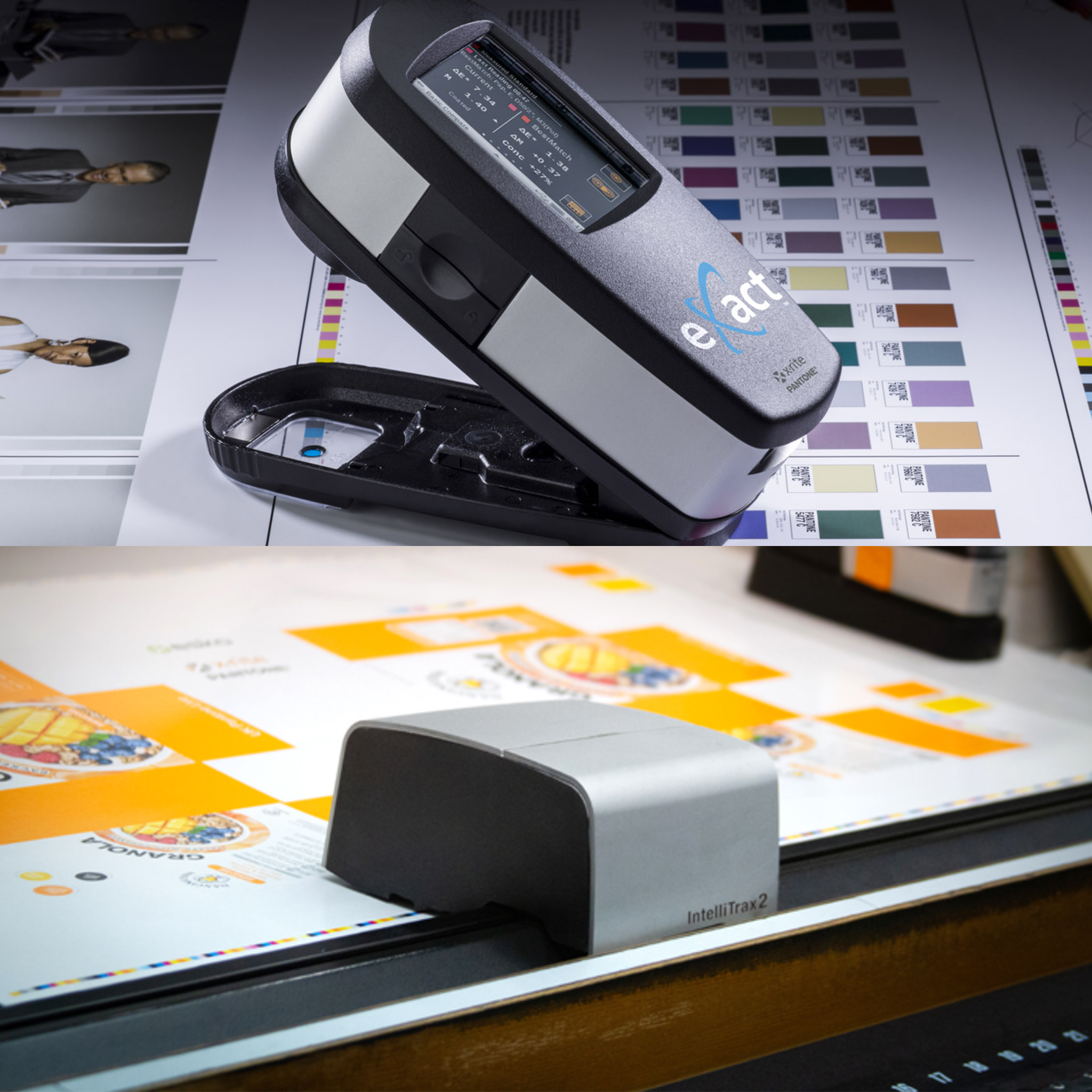
Production Colour Calibration
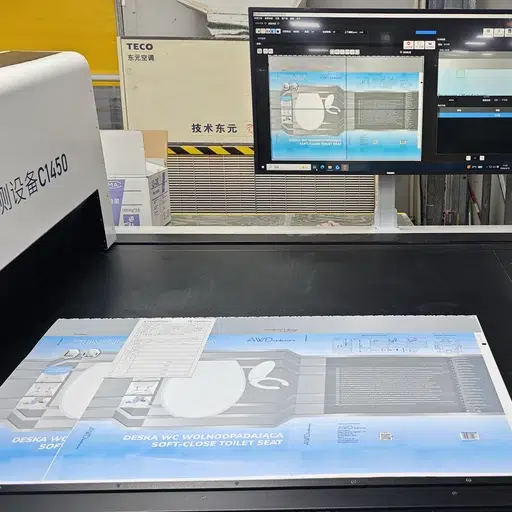
Production colour is controlled against the signed contract proof and the agreed Delta E tolerance. To use a numeric colour rule, specify its formula, measurement condition and acceptance threshold in the written order record; otherwise the signed proof remains the control target.
ISO Standards & Calibration
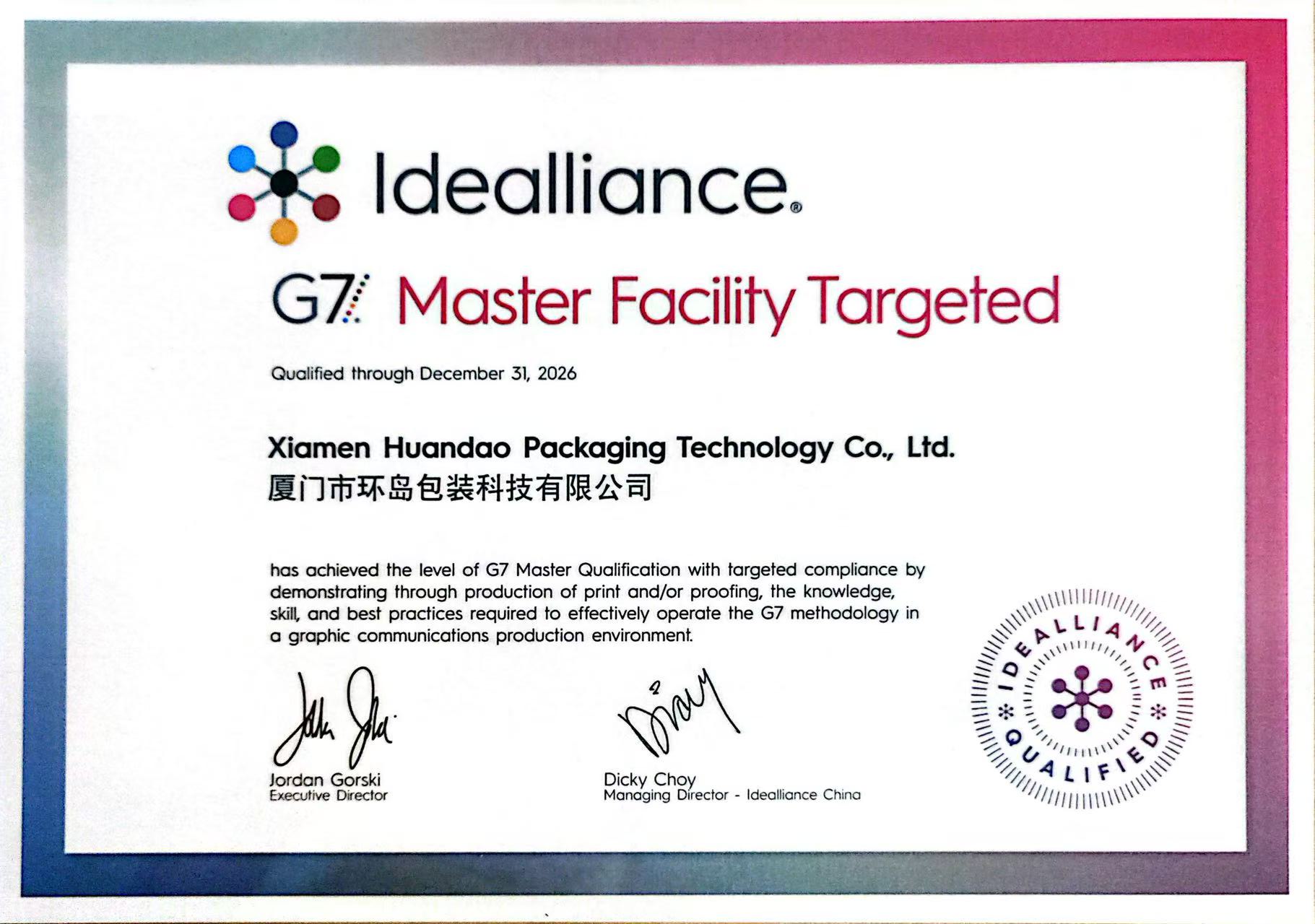
ISO 13655 describes spectral measurement conditions for graphic arts. The page does not treat a G7-calibrated process as a company certification.
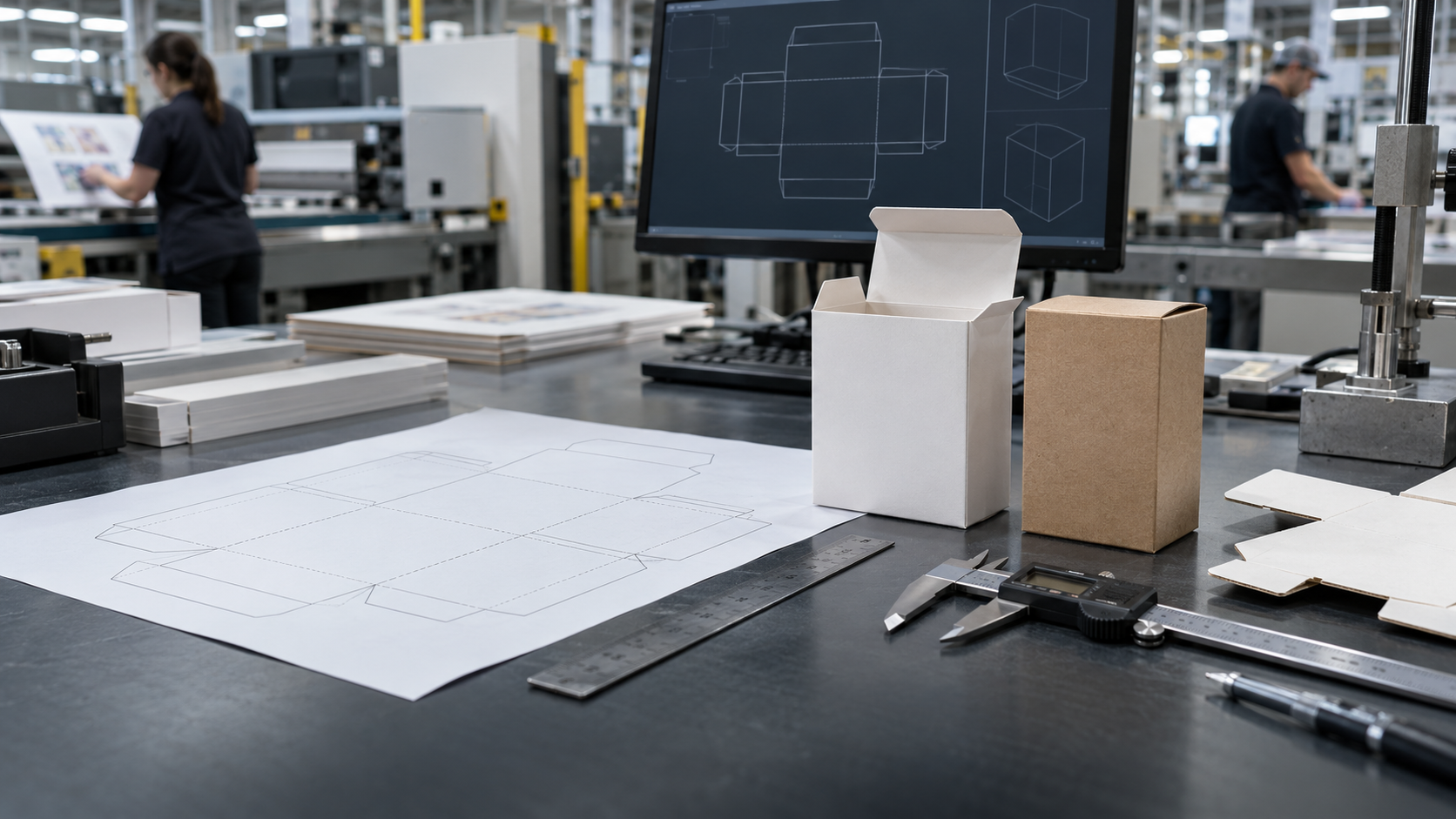
Tuck-End Fit-to-Fill Matrix
A carton may appear correct flat but fail in packing. The Fit-to-Fill review connects every input to an output, and returns one of the three routes: straight tuck end, reverse tuck end, or an alternative-structure review. Board grammage entries use ISO 536:2019 as the measurement reference.
Verified production field
Huandao scope
Fit-to-Fill Decision Inputs
Input field
What to send
What we return
Finished inside size
Length × width × height and unit
Dieline envelope and panel orientation
Product and packed weight
Item size, weight and count per carton
Board and bottom-closure review
Loading direction
Top, bottom, manual or cartoner loading
STE/RTE opening direction
Front-panel priority
Artwork, window and uninterrupted display face
Main panel and glue-seam recommendation
Closure use
One-time opening, reclosure or tamper feature
Tuck, tear strip or alternative closure
Dust flaps
Protection and ease-of-pack requirement
Flap depth and interference review
Window or hang hole
Position, size and display condition
Die-cut, patching and reinforcement review
Insert or tray
Material and retention requirement
Fit allowance and combined supply route
Print and finish
Colours, coverage and separate finish layers
Proof and production-control route
Shipping path
Flat or erected delivery, inner pack and outer shipper
Packing and consolidated-shipment plan
Packing method
Hand pack or cartoner, orientation and target line speed
Flap/score direction and packing-trial requirement
Conditioning
Packing and storage temperature or humidity where relevant
Board, crease and spring-back trial requirement
Pack-out check before volume production
Opening force and spring-back depend on crease quality, folding resistance and board stiffness. Cartoner projects therefore need an actual machine or equivalent loading trial, not a style choice based on the dieline alone.
Quote Inputs, Pricing and Lead Time
A low unit price can conceal assumptions about tooling, sampling, freight, or an SKU split. The trade-off becomes apparent only when the project variables are disclosed in one specification and evaluated against the quality records for the job: finished size, board area and grade, print coverage, colour count, tooling, finishes, window or insert requirements, quantity per size and artwork, sampling route, and delivery destination.
Driver
Size and sheet layout
Cost effect
Changes board area, sheet yield and die layout
Practical control
Confirm inside dimensions and let us compare STE/RTE layouts
Driver
Board grade and weight
Cost effect
Changes material cost, crease response and stiffness
Practical control
Select from product load and trial evidence, not weight alone
Driver
Artwork and colour count
Cost effect
Changes plates, make-ready and control work
Practical control
Group SKUs that share structure and colour standards
Driver
Foil, embossing, spot UV and windows
Cost effect
Add tooling, registration and inspection steps
Practical control
Limit effects to the areas that carry the brand decision
Driver
SKU split and delivery plan
Cost effect
Changes setup frequency, minimums, freight and releases
Practical control
Send quantity per artwork plus destination before quote
Quote-Ready Input Checklist
-
Inside length × width × height
-
Product dimensions and packed weight
-
Quantity per size, style and artwork
-
Board grade or request for recommendation
-
Printed sides and colour references
-
Coating and special-finish layers
-
Window, hang hole, tear strip or insert
-
Sample and proof level
-
Delivery country, postcode and required date
-
Print-ready PDF or request for a dieline
Minimum and Sampling
Our standard MOQ is 1,000 units per size and style; smaller runs are reviewed case by case. Blank structural samples and digitally printed samples are free, with courier paid by the buyer; press-run finished samples are charged.
Wholesale Briefs
For a wholesale program, a brief that says only “custom tuck boxes wholesale” is incomplete. Quantity per size and artwork, destination and release schedule are still required for a comparable quotation.
Schedule
Sample timing is confirmed after the dieline, files and selected sample route have been reviewed. Production lead time is confirmed in the quotation based on quantity, finishing scope and the live schedule; unchanged repeat orders can skip tooling and sampling.
Commercial and Confidentiality Inputs
Include the requested payment terms, preferred Incoterm with named place and any confidentiality requirement in the enquiry. Accepted commercial terms and the document route are then recorded in the written quotation or order record. Request an executed NDA before sending sensitive artwork when one is required.
01
The review of artwork and dieline
verifies structural, finishing, and other requested inputs.02
Proof approval.
The signed contract proof and agreed Delta E rule control colour acceptance. A buyer requesting a numeric rule must define the formula, measurement condition and threshold before print approval.03
In-process control
compares each production step, including print, coating, die-cutting and folder-gluing, with the job record.04
Run-specific reporting.
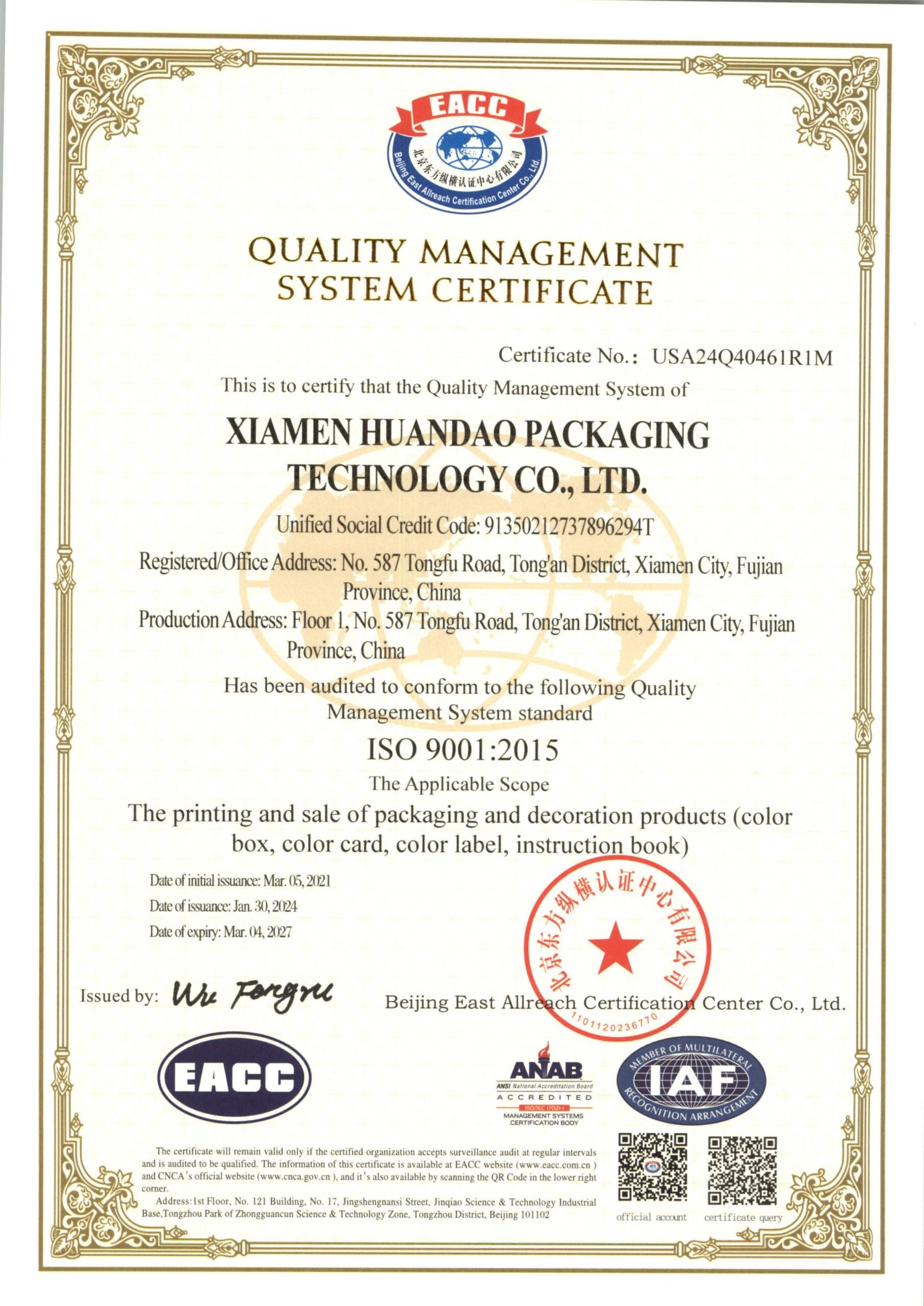
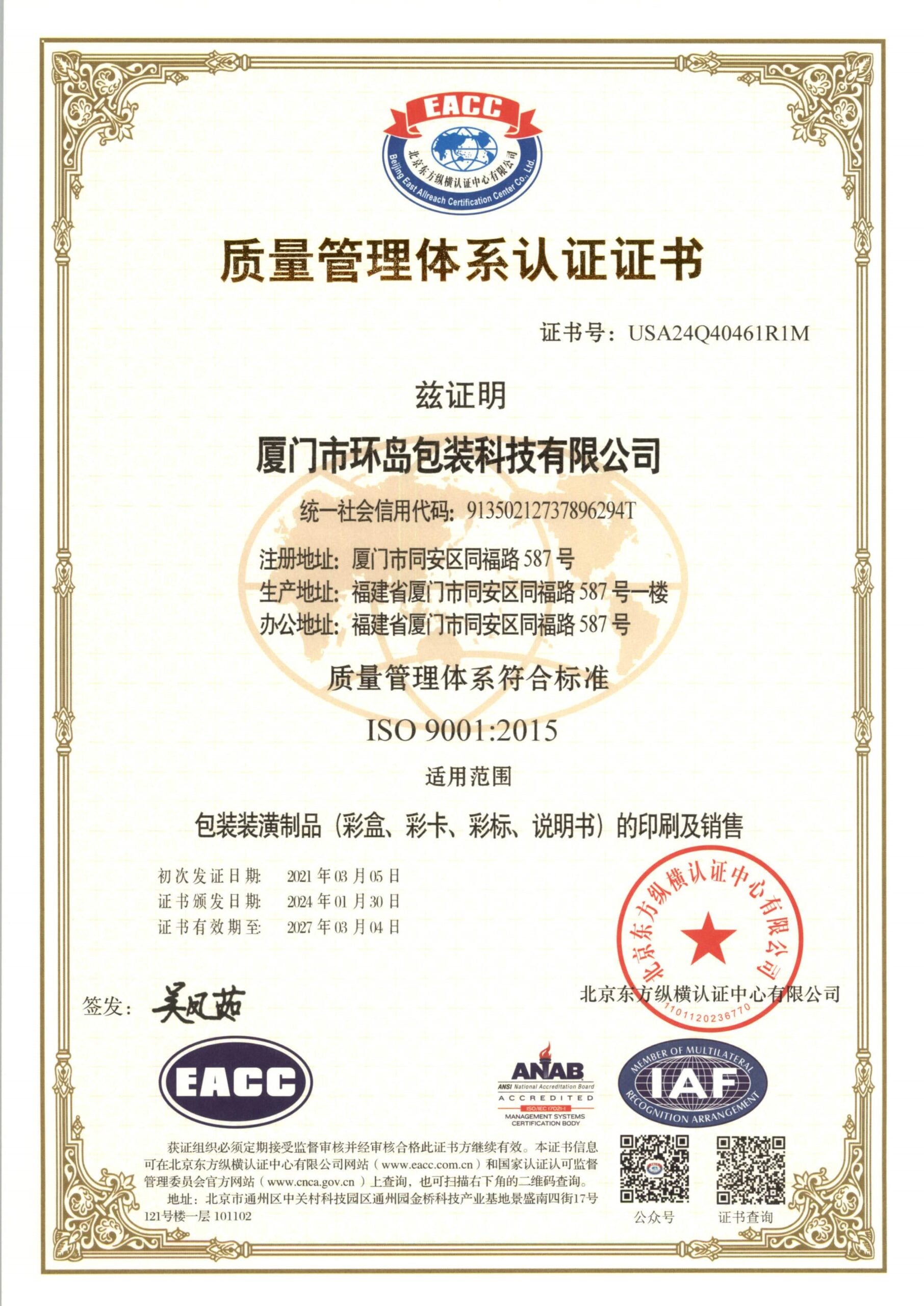
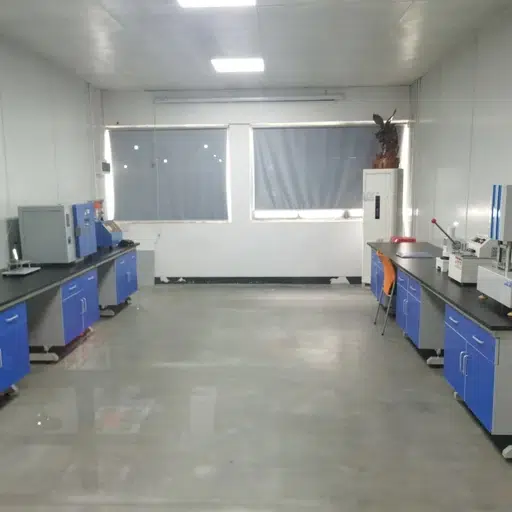
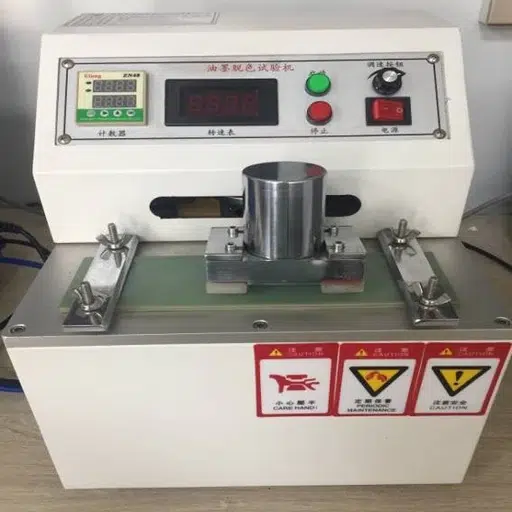
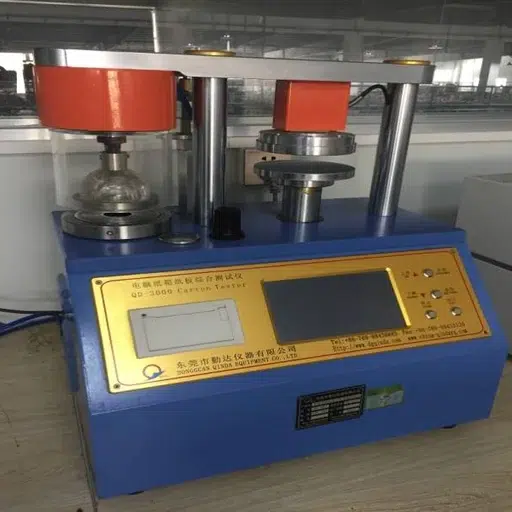
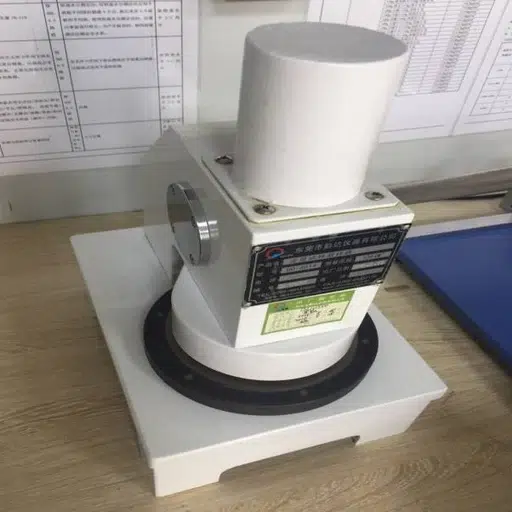
Our in-house laboratory issues ECT, burst, ink-rub and basis-weight test reports for the customer’s own production run.Method-Named Checks
ISO 536:2019 provides the method for paper and board grammage. ASTM D5264-98(2019) covers abrasion resistance of printed materials, including folding cartons; the agreed order specification determines whether that method is called out.
Layer-Specific Evidence
Ink rub and basis weight apply to printed materials. ECT or burst is reported when it applies to the specified corrugated insert, laminated board or outer shipping layer; it is not presented as a universal FBB carton rating.
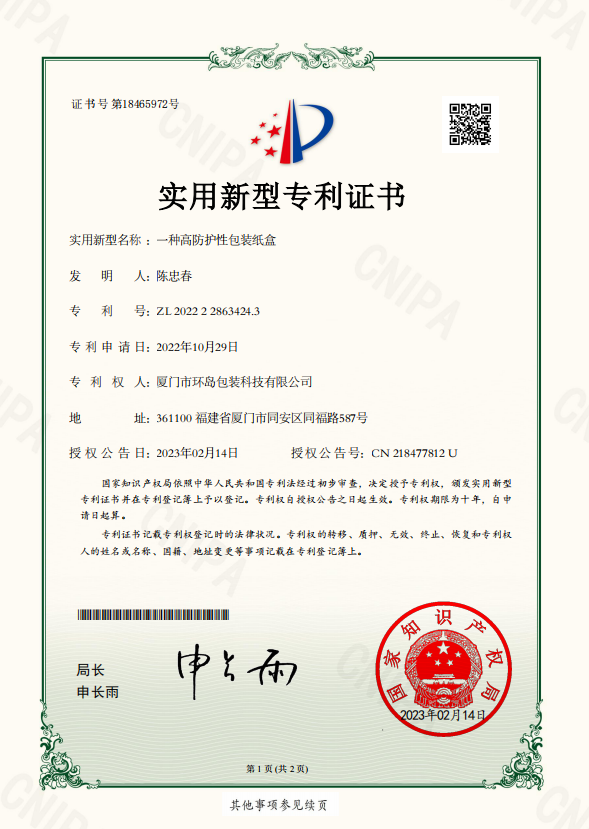
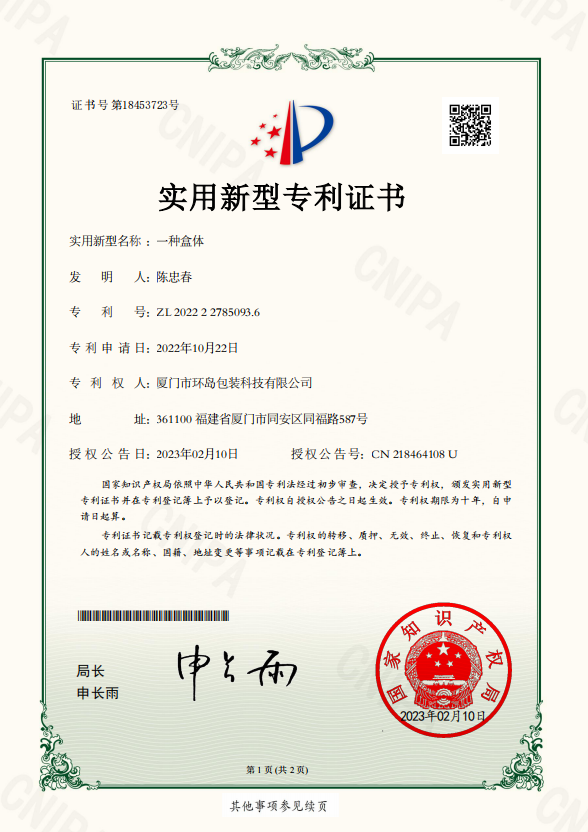
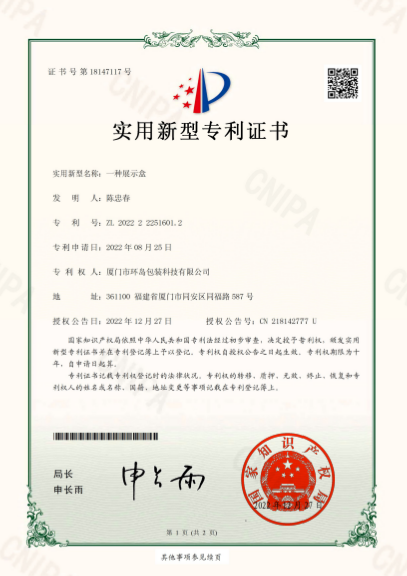
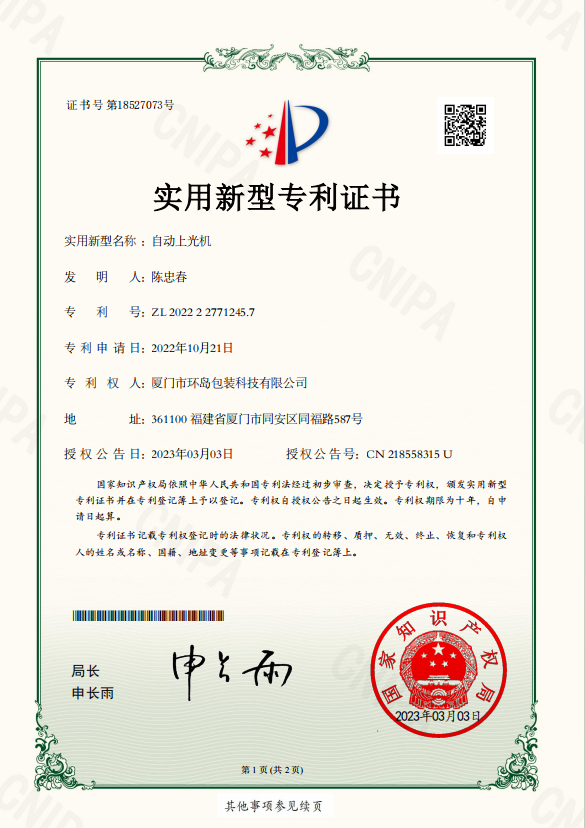
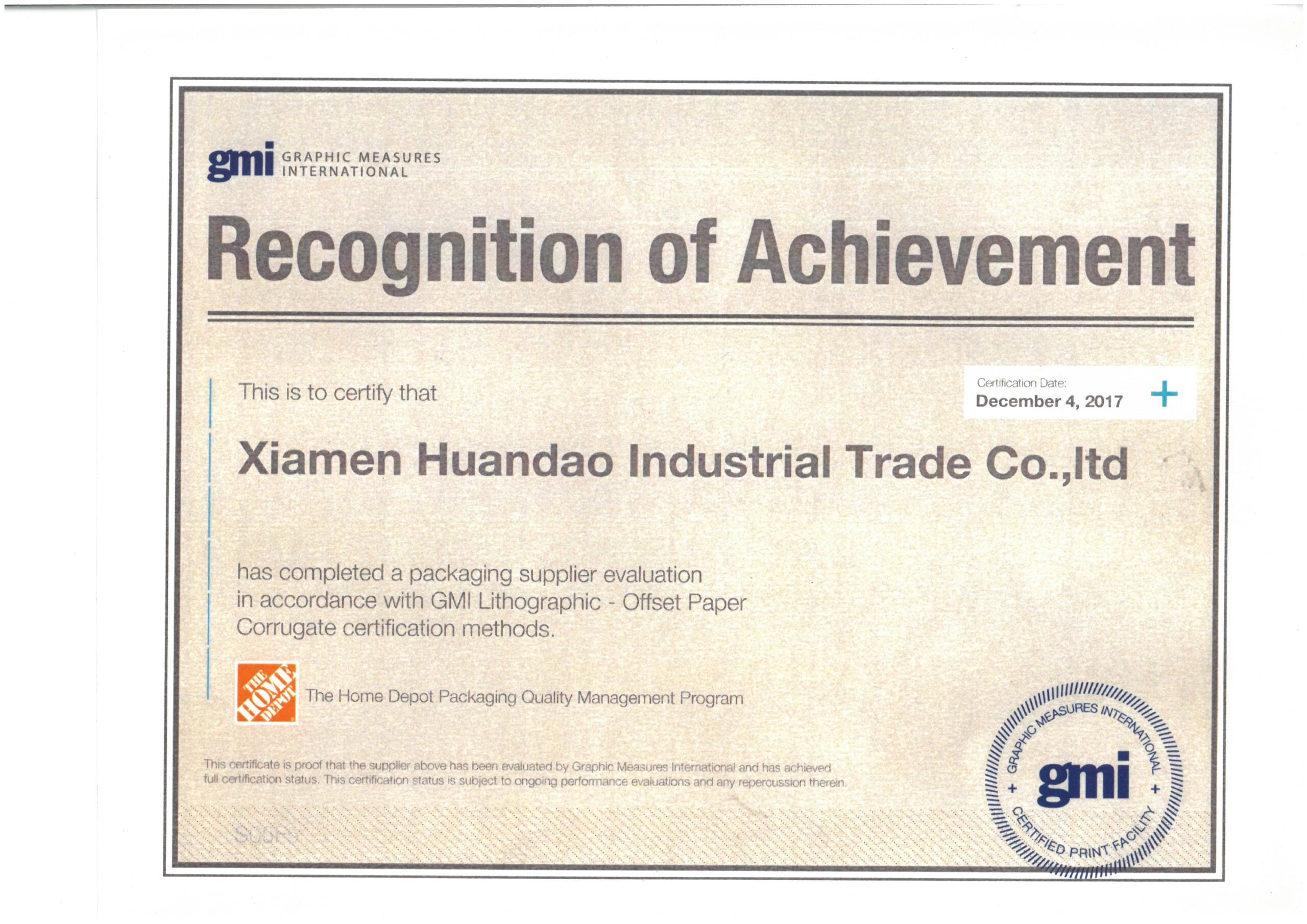
Facility Overview // EST. 2003
Real Plant, Process and Product Proof
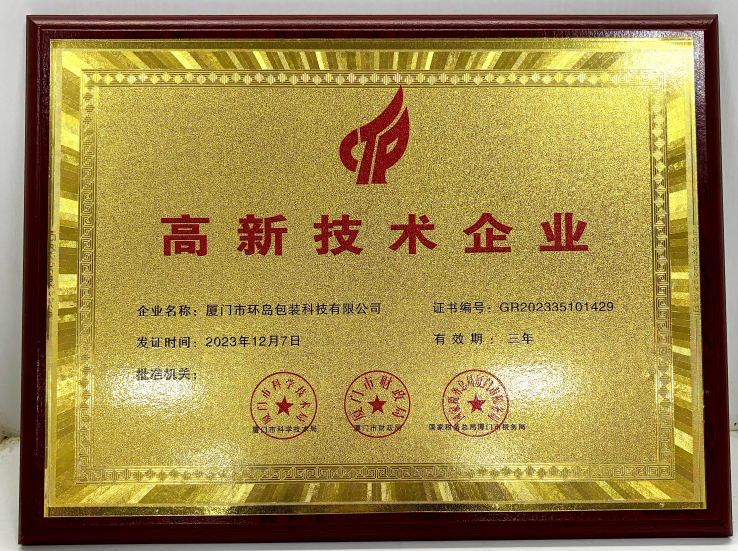
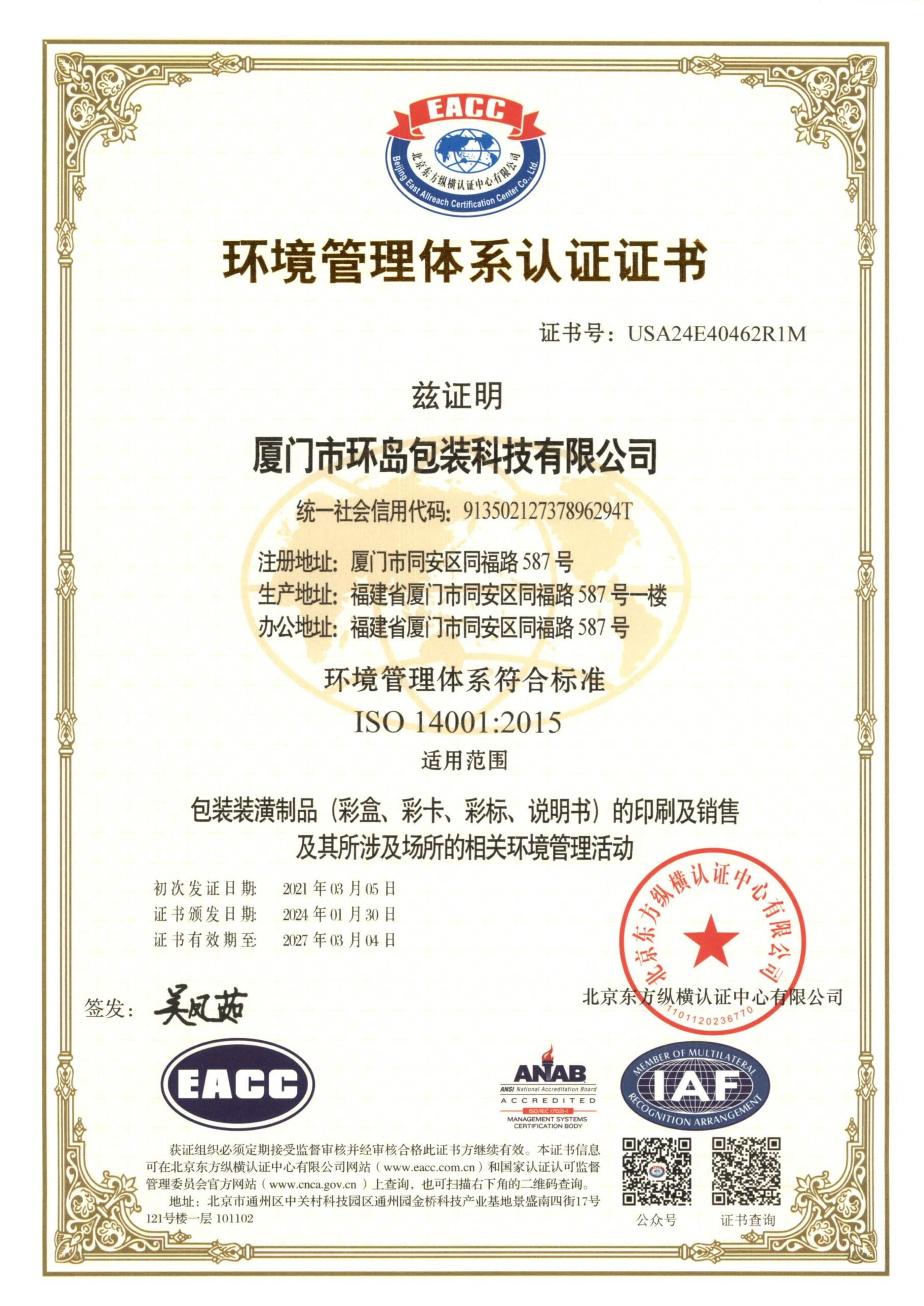
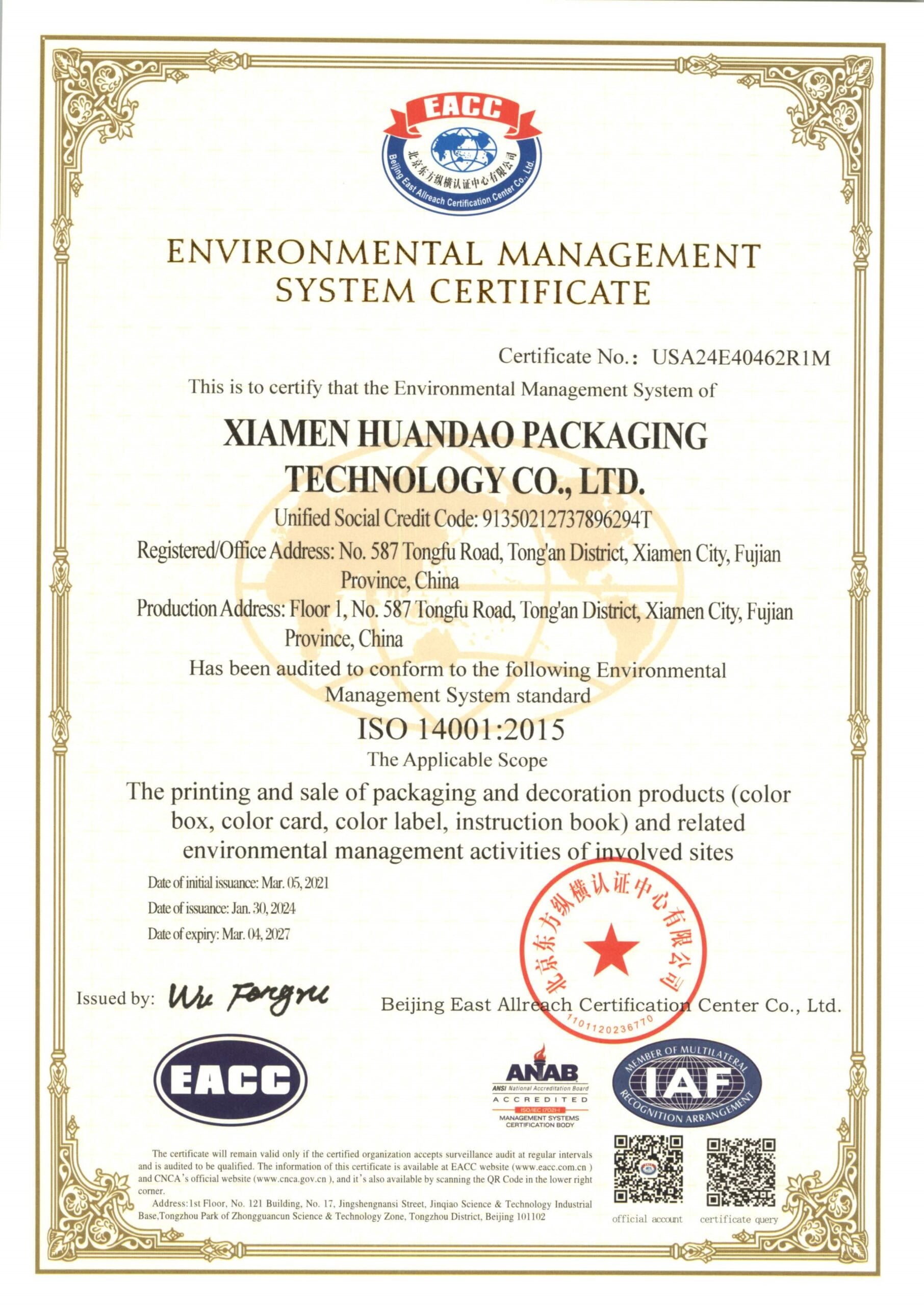
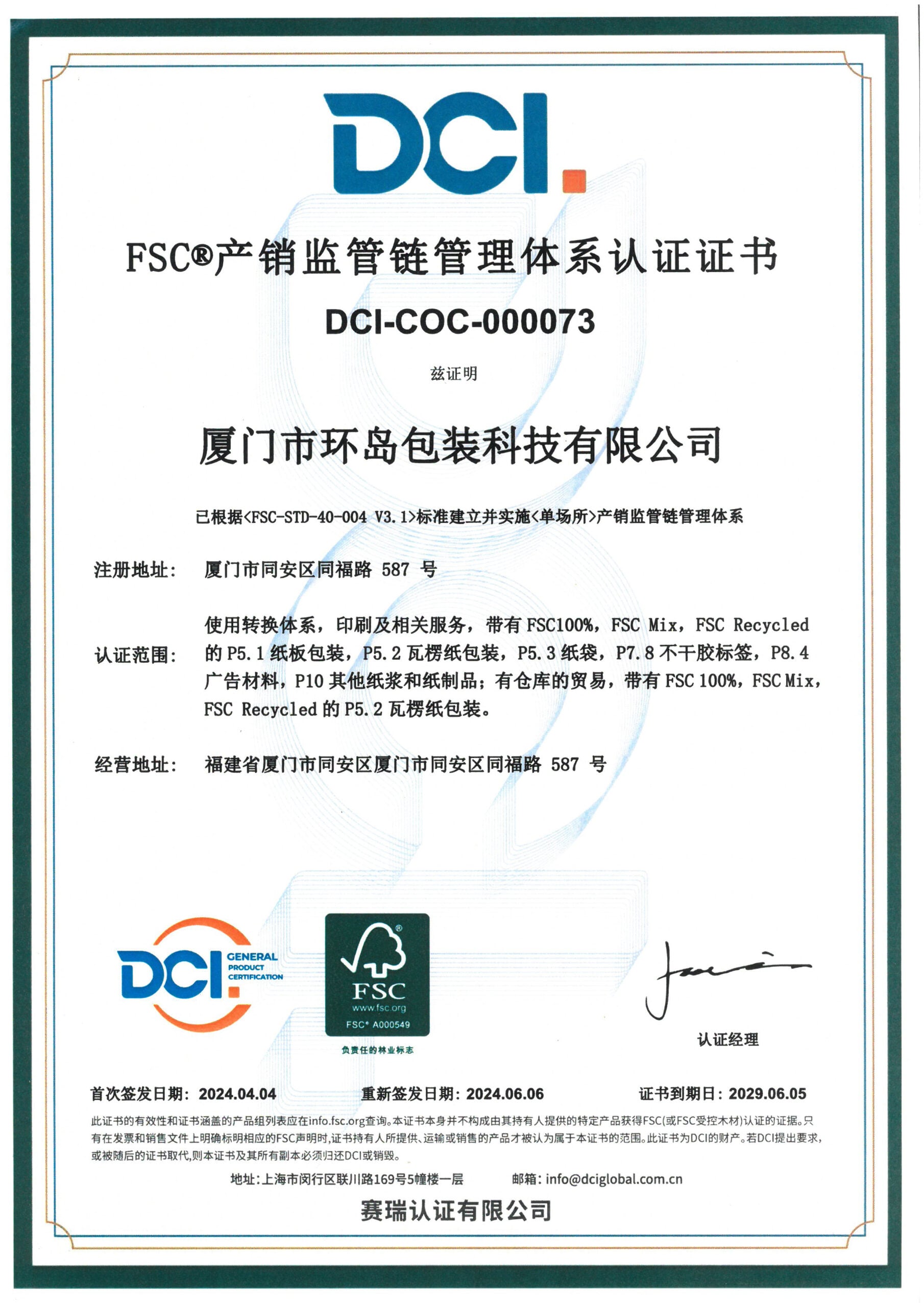
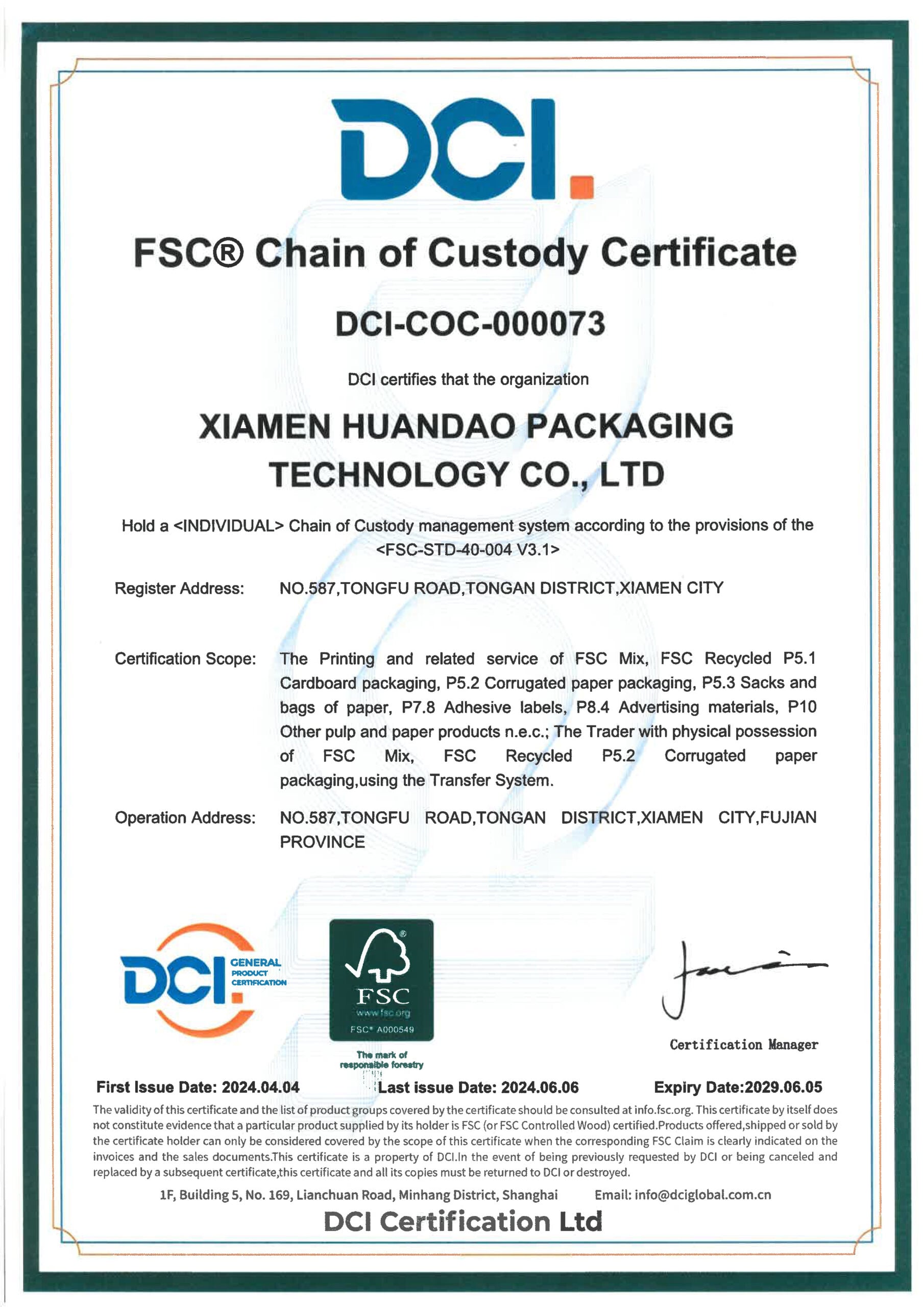
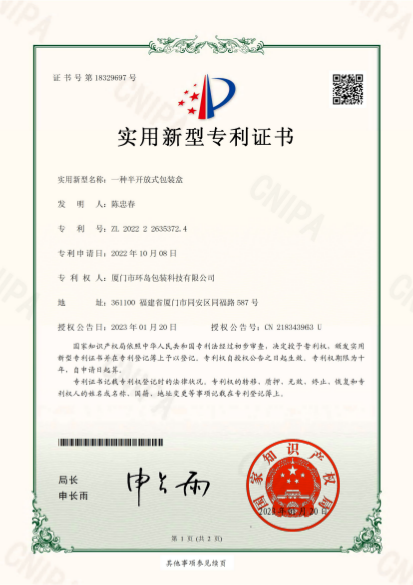
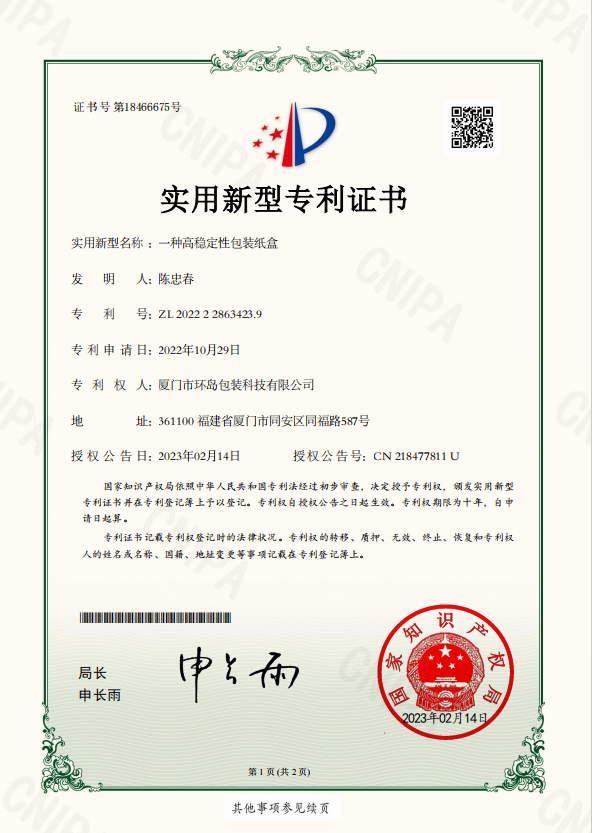
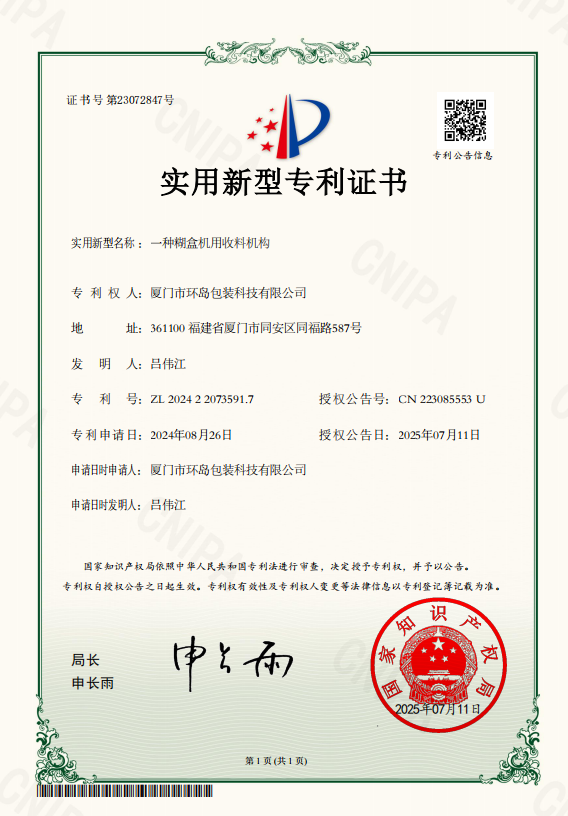
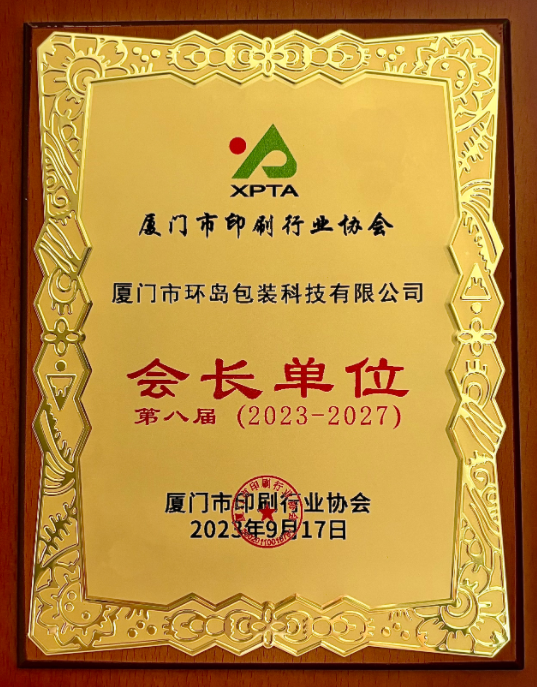
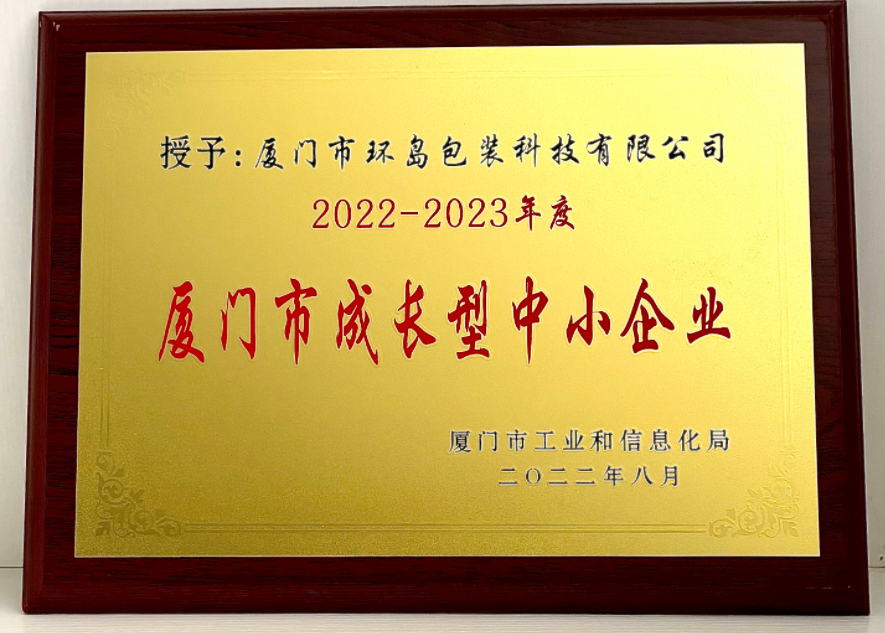
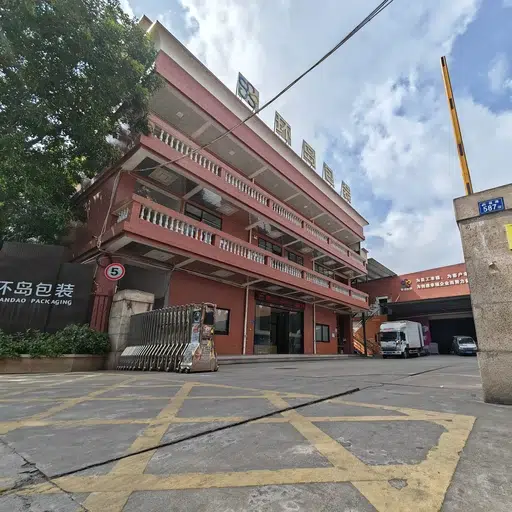
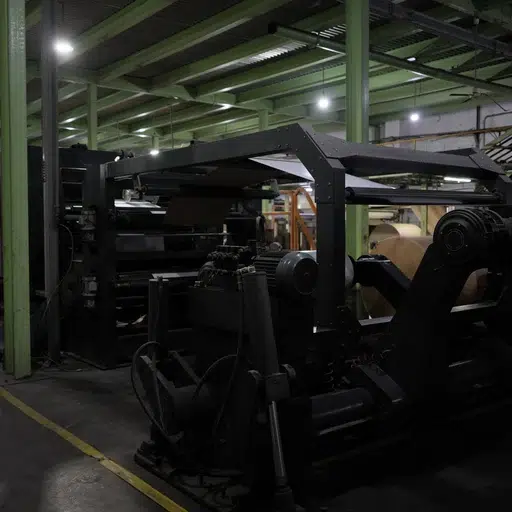
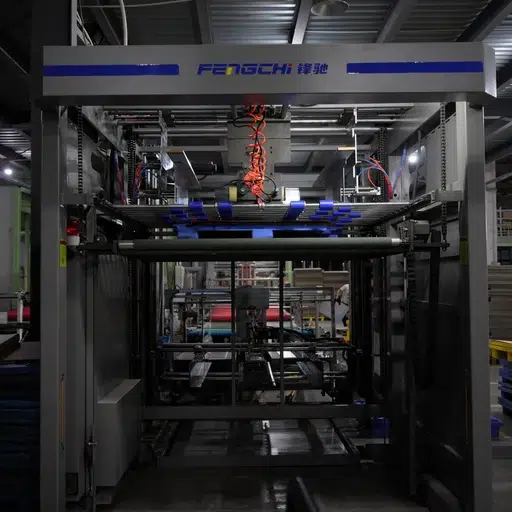
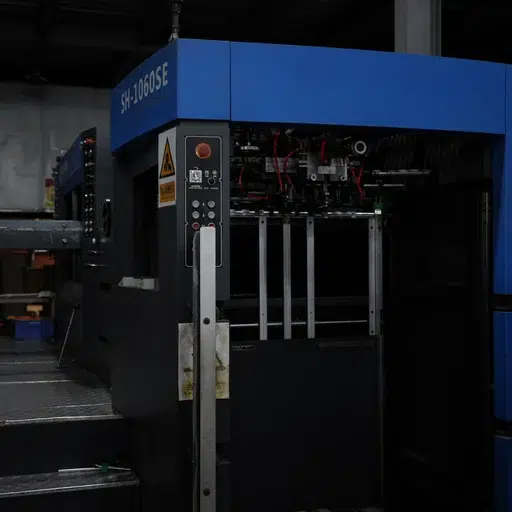
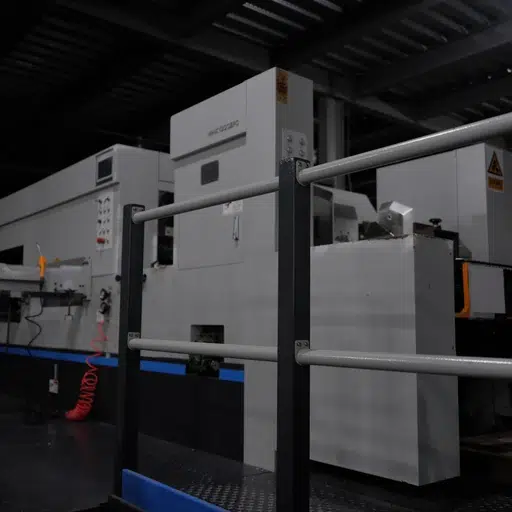
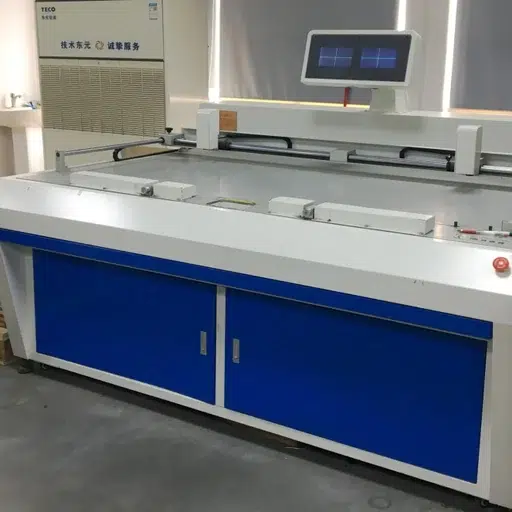
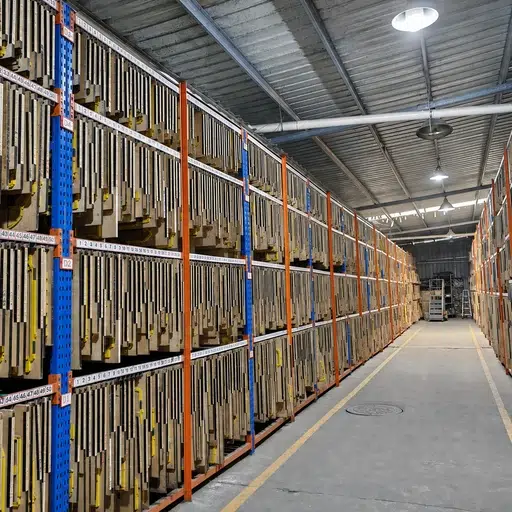
Xiamen Huandao Packaging Technology Co., Ltd. was founded on 30 June 2003 and operates its own plant at No. 587 Tongfu Road, Tong’an District, Xiamen, with 133 staff. Printed paper packaging, including folding cartons, has been produced here since 2003.
Group coordination
Huandao is the colour-printing plant of Huan Yin Packaging Group. The group structure lets the printed retail carton, inner fitment and corrugated outer shipper move through one coordinated supply route.
01 / 20
Tuck End Box Engineering & Sourcing Tools
Straight Tuck vs Reverse Tuck Box Selector
Compare the two tuck-end layouts against your display panel, loading route and packing method. The result identifies which structure to prototype first; the approved dieline and packed-product sample remain decisive.
Access SelectorTuck-End Box MOQ & Sample Path Calculator
Calculate total cartons and the gap to Huandao’s standard MOQ of 1,000 pieces per size and style, then pair the order with the appropriate sample route.
Calculate MOQTuck-End Box RFQ Brief Builder
Turn product dimensions, quantity, artwork count and packing requirements into a concise enquiry. Calculated volume and average units per artwork help expose incomplete briefs without guessing board performance, price or delivery.
Build RFQTuck End Box FAQ
It is a folding carton with one or more closing flaps that tuck into the carton body. Most projects use a glued side seam and are shipped flat for erection during pack-out.
On a straight tuck end box, the top and bottom closing flaps face the same direction. On a reverse tuck end box, they face opposite directions. The better choice depends on panel presentation, dieline yield and loading orientation.
A straight tuck layout often gives the designer more freedom to keep the main display face uninterrupted, but the actual result depends on the glue seam, window and artwork map. The presentation panel is marked on the approved dieline.
No. A tuck bottom closes with a flap, while an auto-lock bottom is pre-glued to form a stronger base as the carton opens. The structures are compared when product weight or pack-out speed puts more load on the bottom.
Available ranges are folding boxboard from 250–400 gsm and kraft board from 250–350 gsm; those ranges are stated as grammage under ISO 536:2019. Final selection follows size, weight, closure, window, insert and packing trial.
Our common finished range is 40 × 40 × 80 mm to 300 × 200 × 120 mm. Larger sizes are reviewed from the board, dieline and packed-product requirements.
Yes. All 4 feature types can be quoted, with the window film, die-cut position, closure load and insert allowance checked on the dieline.
Send a print-ready PDF with bleed, embedded fonts and images, plus the approved dieline. Separate layers should identify Pantone colours, foil, spot UV, embossing, windows and cut or crease lines.
There are 3 routes: a blank structural sample, a digitally printed sample or a press-run finished sample. Blank structural samples and digitally printed samples are free with courier paid by the buyer; press-run samples are charged.
Production is checked against the signed contract proof and agreed Delta E tolerance. To use a numeric rule, define the formula, measurement condition and acceptance threshold in the order record before print approval.
The standard MOQ is 1,000 units per size and style. Sample timing is confirmed after the dieline, files and sample route are reviewed, while the production schedule is confirmed in the written quotation.
Yes. Through Huan Yin Packaging Group, we can coordinate the printed box, inner tray or insert and outer shipping carton, then consolidate the packaging layers into 1 shipment.
Tuck End Boxes Specification
Request a Custom Tuck End Box Quote
If the board or tuck direction is still open, product size, packed weight and packing method are sufficient for a structural review.